
Green Pest Control: How AI Reduces Chemical Usage While Improving Effectiveness

Green Pest Control: How AI Reduces Chemical Usage While Improving Effectiveness
A direct answer for facility managers: Green pest control powered by AI vision and IoT sensors cuts chemical pesticide usage by up to 70% while actually improving detection and elimination rates. Unlike traditional spray-and-pray approaches that blanket entire buildings with toxins, AI-driven systems like Bastet AI Pesttech identify exactly where pests are active, what species are present, and whether intervention is actually needed—then trigger targeted, minimal-chemical responses only where necessary. The result? Lower costs, fewer regulatory headaches, healthier indoor environments, and measurably better pest management outcomes.
Key Takeaways:
- AI-powered pest detection can reduce chemical pesticide use by 60–70% compared to conventional methods
- Computer vision identifies pest species with over 95% accuracy, enabling precision treatment
- IoT-enabled smart traps eliminate the need for routine preventive spraying
- Facilities using AI pest monitoring report 40–85% reductions in pest incidents
- Green pest management lowers long-term operational costs by 30–50%
- Real-time monitoring replaces calendar-based chemical applications with data-driven decisions
The Problem With Traditional Pest Control
For decades, commercial pest control has operated on a simple but flawed premise: spray chemicals on a schedule, everywhere, just in case. Pest control technicians visit facilities monthly or quarterly, applying insecticides, rodenticides, and other chemical treatments regardless of whether pests are actually present.
This blanket approach creates several serious problems. First, it exposes building occupants—employees, customers, patients, and students—to potentially harmful chemicals. The Environmental Protection Agency (EPA) classifies many common pesticides as possible carcinogens, and studies have linked prolonged pesticide exposure to respiratory issues, neurological problems, and endocrine disruption.
Second, calendar-based spraying wastes enormous amounts of money. Research from the National Pest Management Association indicates that commercial facilities spend between $3,000 and $8,000 annually on pest control services, with a significant portion of that budget going toward unnecessary preventive treatments in areas that have no pest activity whatsoever.
Third, over-reliance on chemicals accelerates pest resistance. The World Health Organization has documented that over 500 insect species now show resistance to at least one class of insecticide. When you spray the same chemicals repeatedly, you're essentially running a selective breeding program for pesticide-resistant superbugs.
How AI Changes the Equation
Artificial intelligence fundamentally transforms pest management by replacing guesswork with data. Here's how the technology stack works:
Computer Vision for Species-Level Identification
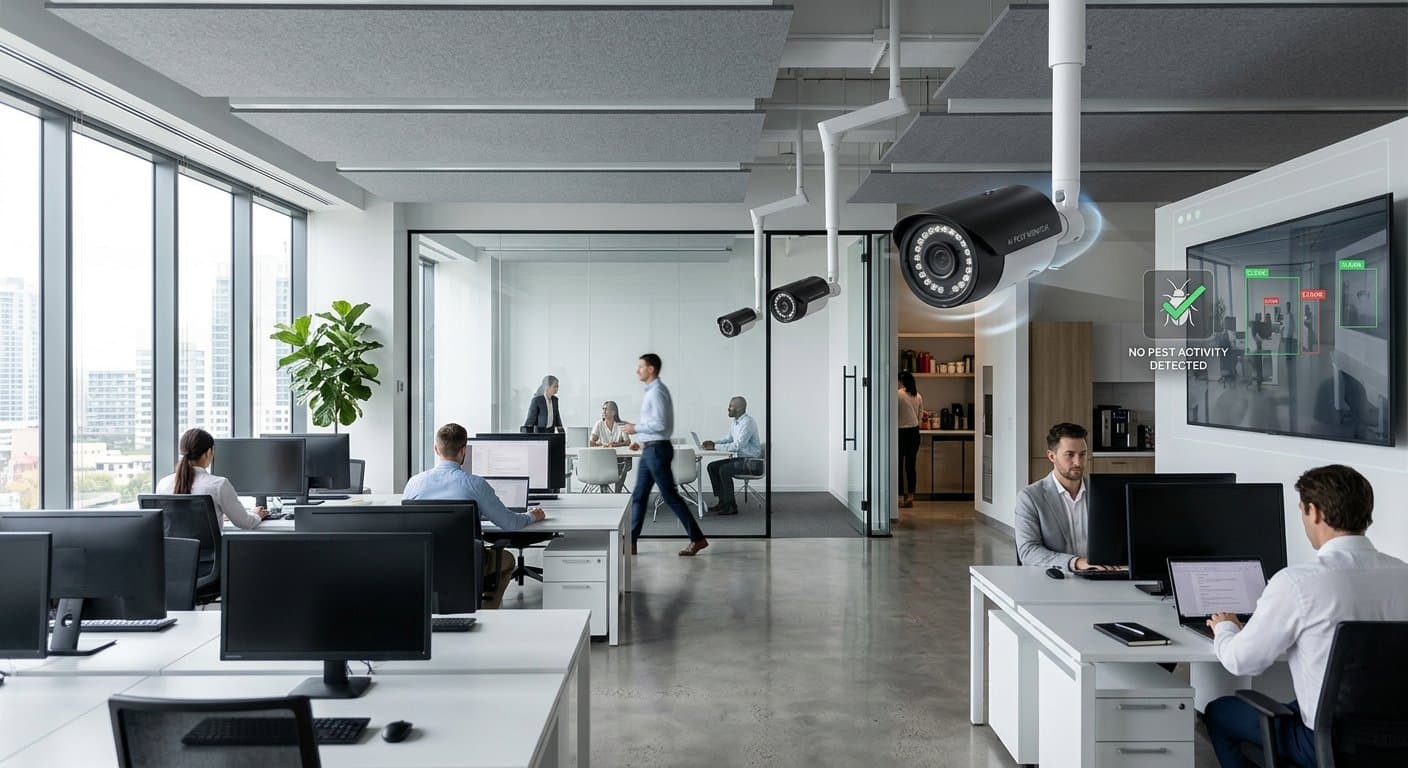
AI-powered cameras, like those developed by Bastet AI Pesttech, use deep learning models trained on millions of pest images to identify exactly what's crawling, flying, or scurrying through a facility. These systems can distinguish between a German cockroach and an American cockroach, a house mouse and a Norway rat, or a harmless spider and a disease-carrying tick.
This species-level precision matters enormously because different pests require entirely different treatment strategies. A cockroach infestation in a kitchen demands a completely different response than a rodent problem in a warehouse. When you know exactly what you're dealing with, you can apply the most effective, least-toxic treatment for that specific pest.
Studies published in the Journal of Economic Entomology show that AI vision systems achieve pest identification accuracy rates exceeding 95%, compared to roughly 70% accuracy for untrained human inspectors. This precision eliminates misidentification errors that lead to inappropriate chemical applications.
IoT Sensors for Continuous Monitoring
Traditional pest control relies on periodic visual inspections—typically monthly or quarterly. But pests don't wait for inspection schedules. A rodent infestation can explode from a single breeding pair to over 100 individuals in just three months.
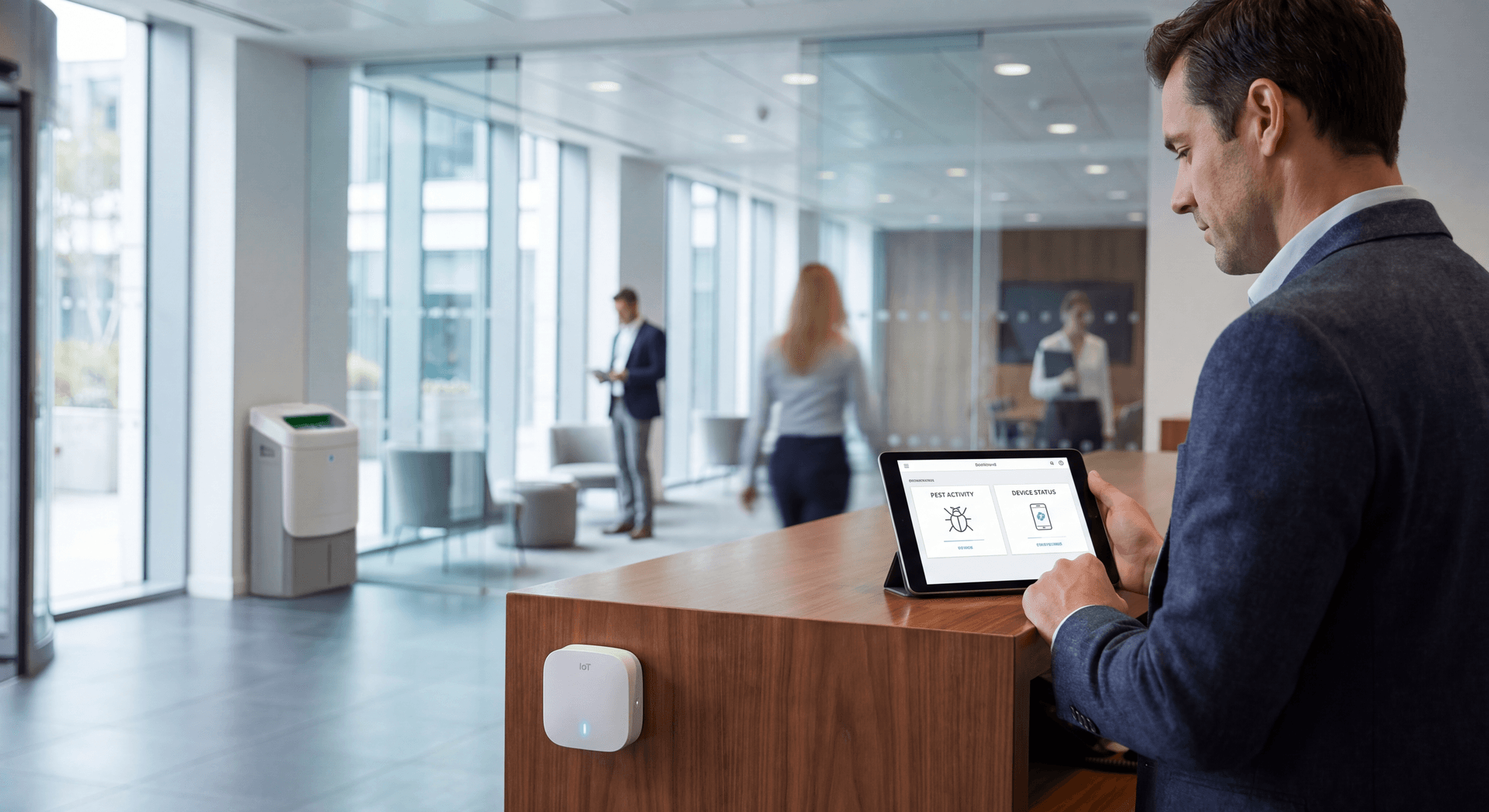
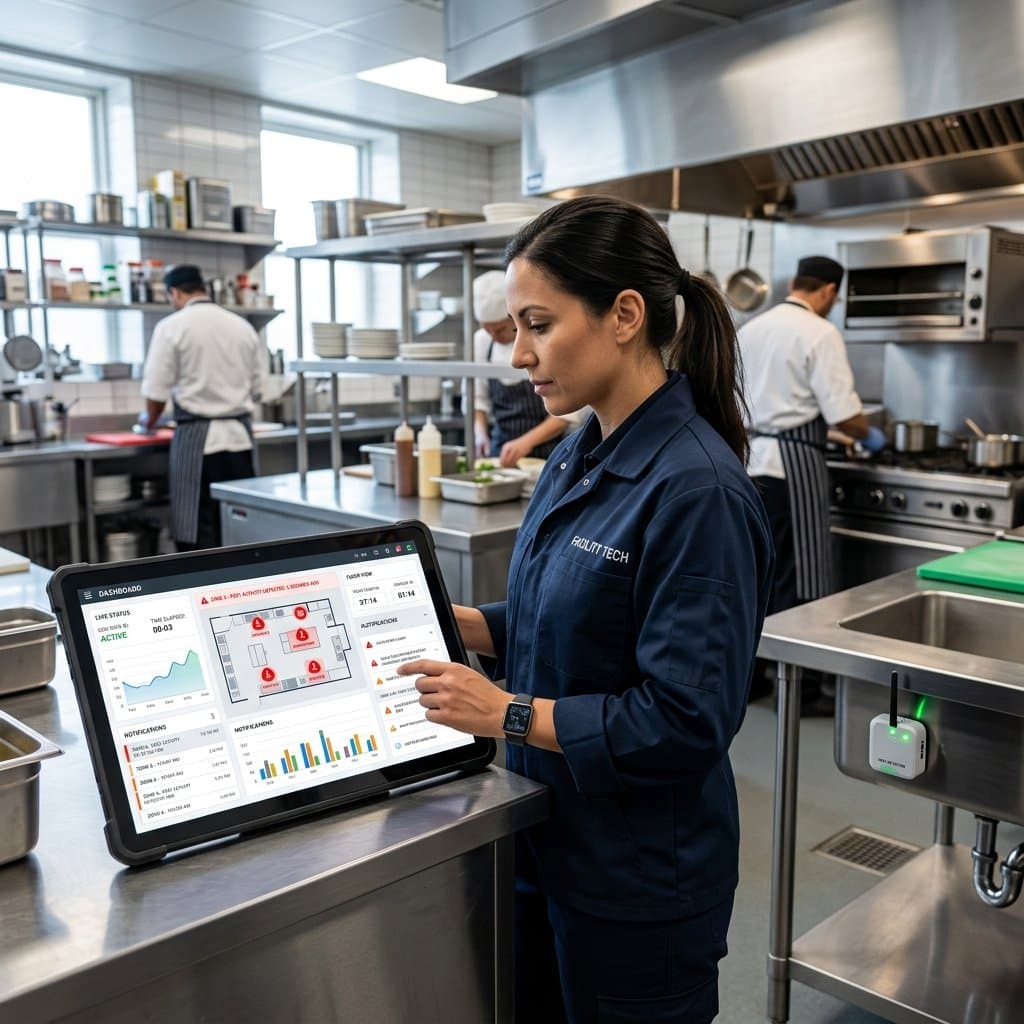
IoT-enabled smart traps and sensors provide 24/7/365 monitoring. These devices detect pest activity in real time, sending instant alerts to facility managers and pest control professionals the moment a problem begins. According to a 2024 McKinsey report on smart building technologies, continuous IoT monitoring catches pest incidents an average of 12 days earlier than scheduled inspections.
Predictive Analytics for Proactive Management
Perhaps the most powerful aspect of AI pest management is its ability to predict problems before they occur. By analyzing historical pest activity data, weather patterns, seasonal trends, and facility conditions, machine learning algorithms can forecast where and when pest pressure will increase.
A 2023 study by the University of California's Integrated Pest Management program found that predictive AI models achieved 85% accuracy in forecasting rodent activity spikes up to two weeks in advance. This allows facility managers to take preventive measures—like sealing entry points or adjusting sanitation protocols—before chemical intervention becomes necessary.
The Data: AI vs. Traditional Methods
The numbers tell a compelling story about the superiority of AI-driven green pest control:
| Metric | Traditional Methods | AI-Powered Systems |
| Chemical usage (liters/year) | 50–100L per facility | 15–30L per facility |
| Pest detection accuracy | ~70% | ~95% |
| Response time to incidents | 7–30 days | <3 seconds |
| Annual cost per facility | $3,000–$8,000 | $2,000–$5,000 |
| False positive rate | 25–40% | <5% |
| Occupant complaints | 15–30/year | 2–5/year |
Source: Bastet AI Pesttech internal deployment data, 2024–2025; National Pest Management Association industry benchmarks.
Real-World Applications: Where Green AI Pest Control Shines
Food Processing and Manufacturing
Food processing facilities face some of the strictest pest control regulations in any industry. The Food Safety Modernization Act (FSMA) and Hazard Analysis Critical Control Point (HACCP) protocols require documented pest management programs, but they also mandate minimizing chemical contamination risks.
AI pest monitoring systems solve this paradox by providing comprehensive pest documentation without the need for chemical blanket treatments. A major food manufacturer in Southeast Asia implemented Bastet AI Pesttech's vision system across six production facilities and achieved a 72% reduction in pesticide applications while improving their audit scores by 35%. The system's automated reporting also reduced documentation time by over 200 hours per year.
Healthcare Facilities
Hospitals and clinics face unique pest control challenges. Patients with compromised immune systems are especially vulnerable to both pests and pesticide exposure. The Centers for Disease Control and Prevention (CDC) recommends integrated pest management (IPM) approaches that minimize chemical use in healthcare settings.
AI-powered monitoring enables healthcare facilities to maintain pest-free environments with minimal chemical intervention. Real-time alerts allow maintenance teams to address pest issues immediately through non-chemical methods—like trapping, exclusion, or habitat modification—before resorting to pesticides.
Commercial Real Estate and Office Buildings
Property managers are increasingly adopting green pest control to meet sustainability certification requirements. The LEED (Leadership in Energy and Environmental Design) and WELL Building standards both reward reduced pesticide use. A 2025 Jones Lang LaSalle (JLL) report found that buildings with AI-integrated pest management systems scored 15–20% higher on green building assessments.
Hospitality Industry
Hotels face devastating reputational risk from pest incidents. A single bed bug review can cost a hotel thousands in lost bookings. AI monitoring systems provide early detection that prevents infestations from reaching the point where aggressive chemical treatments become necessary. Several major hotel chains in Asia-Pacific have reported 90% reductions in guest pest complaints after deploying smart monitoring systems.
The Environmental and Health Benefits
The environmental case for AI-driven green pest control extends well beyond reducing chemical usage in individual buildings.
Water and Soil Protection
The United States Geological Survey (USGS) has detected pesticide residues in over 90% of streams and waterways in urban areas. Much of this contamination comes from commercial and residential pest control applications that wash into storm drains. By reducing chemical usage by 60–70%, AI pest management significantly decreases the volume of pesticides entering local water systems.
Beneficial Organism Preservation
Broad-spectrum pesticides kill indiscriminately—eliminating beneficial insects like pollinators, predatory species that naturally control pest populations, and decomposers essential for soil health. Targeted AI-driven interventions preserve these beneficial organisms, creating healthier, more balanced ecosystems around managed facilities.
Reduced Carbon Footprint
Traditional pest control requires regular technician visits, each involving vehicle emissions and chemical manufacturing and transportation. AI-monitored facilities require fewer physical visits—typically 50–70% fewer—because the system handles routine monitoring remotely. Pest control companies using AI platforms report fuel savings of 40–60% per client.
Human Health Advantages
The American Academy of Pediatrics has published extensive research linking pesticide exposure to developmental issues in children, including reduced cognitive function and increased risk of ADHD. For adults, chronic low-level pesticide exposure is associated with increased cancer risk, Parkinson's disease, and respiratory problems. Every reduction in chemical usage translates directly to improved health outcomes for building occupants.
Overcoming Common Objections
"Isn't AI pest control more expensive?"
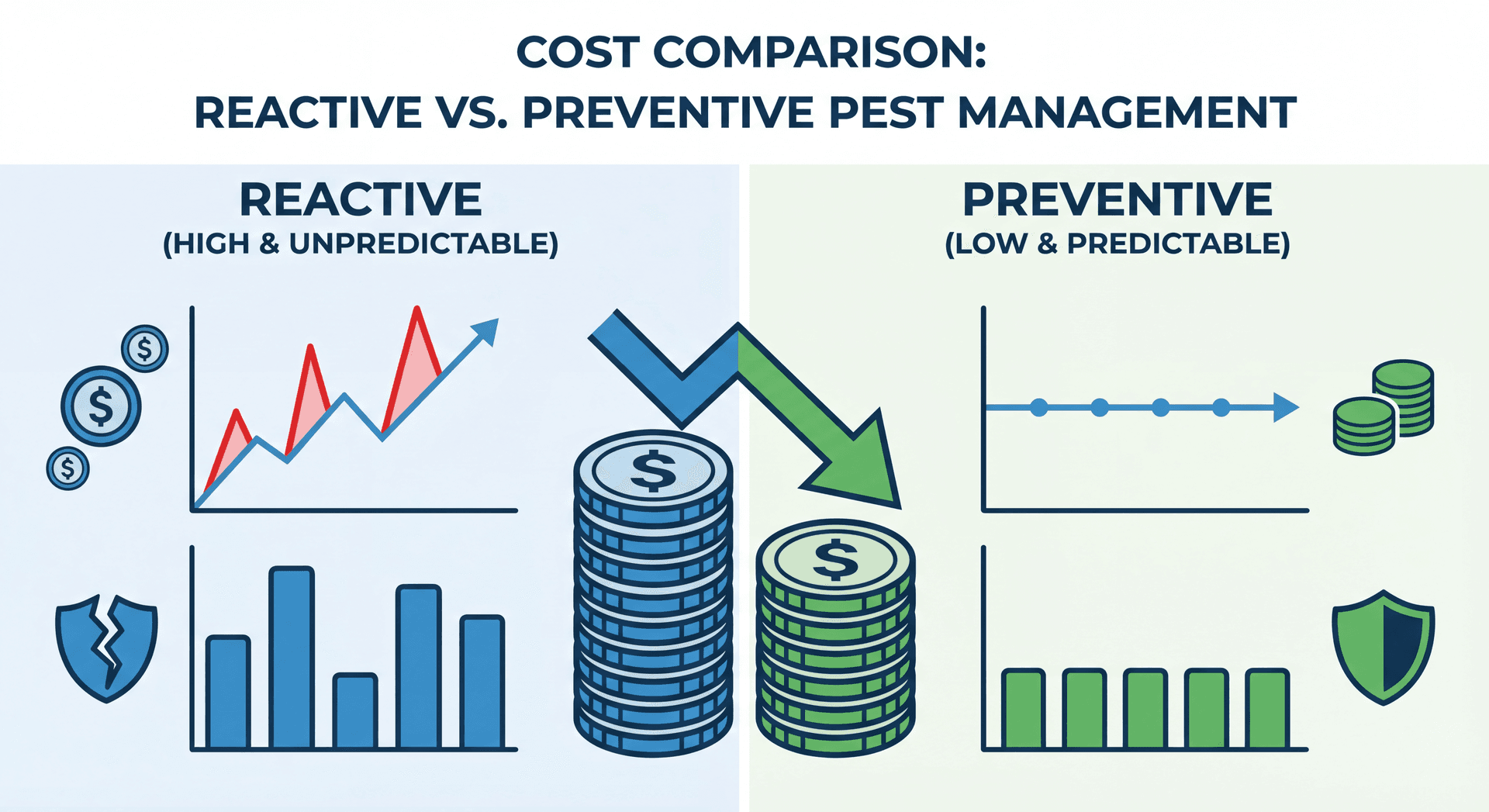
Upfront costs for AI monitoring hardware are higher than traditional trap-based monitoring. However, the total cost of ownership tells a different story. Reduced chemical costs, fewer emergency service calls, lower regulatory risk, and decreased tenant complaints typically deliver return on investment within 12–18 months. Facilities that have fully transitioned to AI-driven systems report average annual savings of 30–50% compared to their previous conventional programs.
"Can AI really replace experienced technicians?"
No—and that's not the goal. AI pest management augments human expertise rather than replacing it. Technicians spend less time on routine inspections and more time on high-value activities like exclusion work, sanitation consulting, and complex problem-solving. Many pest control professionals report higher job satisfaction when working with AI tools because they can focus on meaningful interventions rather than repetitive spray routes.
"What about data privacy and security?"
Reputable AI pest management platforms use encrypted, cloud-based systems that comply with ISO 27001 and SOC 2 security standards. Camera-based vision systems are typically positioned in utility areas, storage rooms, and perimeter zones—not in occupied spaces. Data is used exclusively for pest management analytics and never shared with third parties.
Getting Started: A Practical Roadmap
Audit your current program. Document your existing chemical usage, pest incident rates, and costs. This baseline will help measure improvement.
Start with high-risk zones. Deploy AI sensors in areas with the highest pest pressure—loading docks, kitchens, storage areas, and waste management zones.
Integrate with existing IPM programs. AI monitoring complements rather than replaces your integrated pest management framework. Use the data to inform and refine your existing protocols.
Gradually reduce chemical applications. As AI monitoring demonstrates which areas genuinely need treatment, systematically eliminate unnecessary spray schedules.
Measure and report. Track chemical usage, pest incident rates, audit scores, and costs monthly. Most facilities see measurable improvements within the first quarter.
Conclusion
Green pest control isn't just an environmental aspiration—it's a practical reality powered by AI vision and IoT technology. Systems like Bastet AI Pesttech are proving that reducing chemical usage doesn't mean compromising on effectiveness. In fact, the data consistently shows the opposite: smarter, more targeted pest management delivers better results at lower cost with dramatically reduced environmental impact.
The future of pest control isn't more chemicals. It's more intelligence. And that future is available today.
Ready to reduce your facility's chemical footprint while improving pest management outcomes? Explore Bastet AI Pesttech's intelligent monitoring platform →
Frequently Asked Questions
Q: How much can AI pest management really reduce chemical usage? A: Deployments across commercial facilities show reductions of 60–70% in pesticide applications. The exact figure depends on your current program, but even conservative implementations typically achieve at least 50% reduction within the first year.
Q: Does AI pest monitoring work for all types of pests? A: Current AI vision systems are highly effective at detecting and identifying rodents, cockroaches, ants, flies, and stored product pests. Systems are continuously expanding their recognition capabilities, with new species being added through regular model updates.
Q: Is AI pest control suitable for residential use? A: While the technology was initially developed for commercial applications, residential solutions are emerging. Currently, the strongest ROI is in commercial facilities, multi-unit residential buildings, and property management portfolios.
Q: How does AI pest control help with regulatory compliance? A: AI systems automatically generate detailed activity logs, trend reports, and intervention records that satisfy FSMA, HACCP, and local health department requirements. Facilities using AI monitoring report 30–40% faster audit preparation times.
Q: What's the typical ROI timeline for AI pest management? A: Most commercial facilities achieve full return on investment within 12–18 months through reduced chemical costs, fewer emergency service calls, and improved operational efficiency. Some high-risk facilities see positive ROI within six months.
Q: How does AI pest control contribute to green building certifications? A: AI-powered pest management directly supports LEED, WELL, and BREEAM certification requirements for reduced chemical usage and integrated pest management. Buildings with AI systems typically score 15–20% higher on relevant certification criteria.