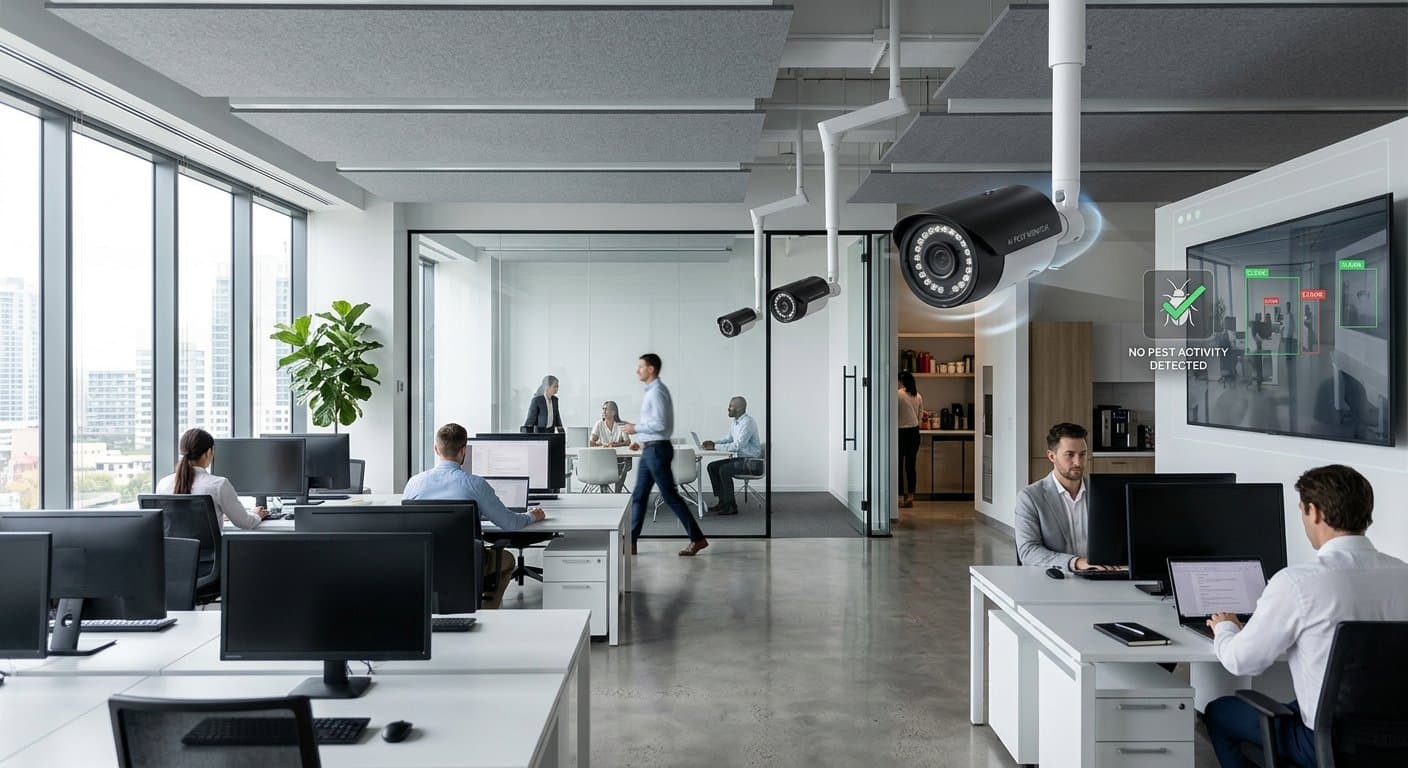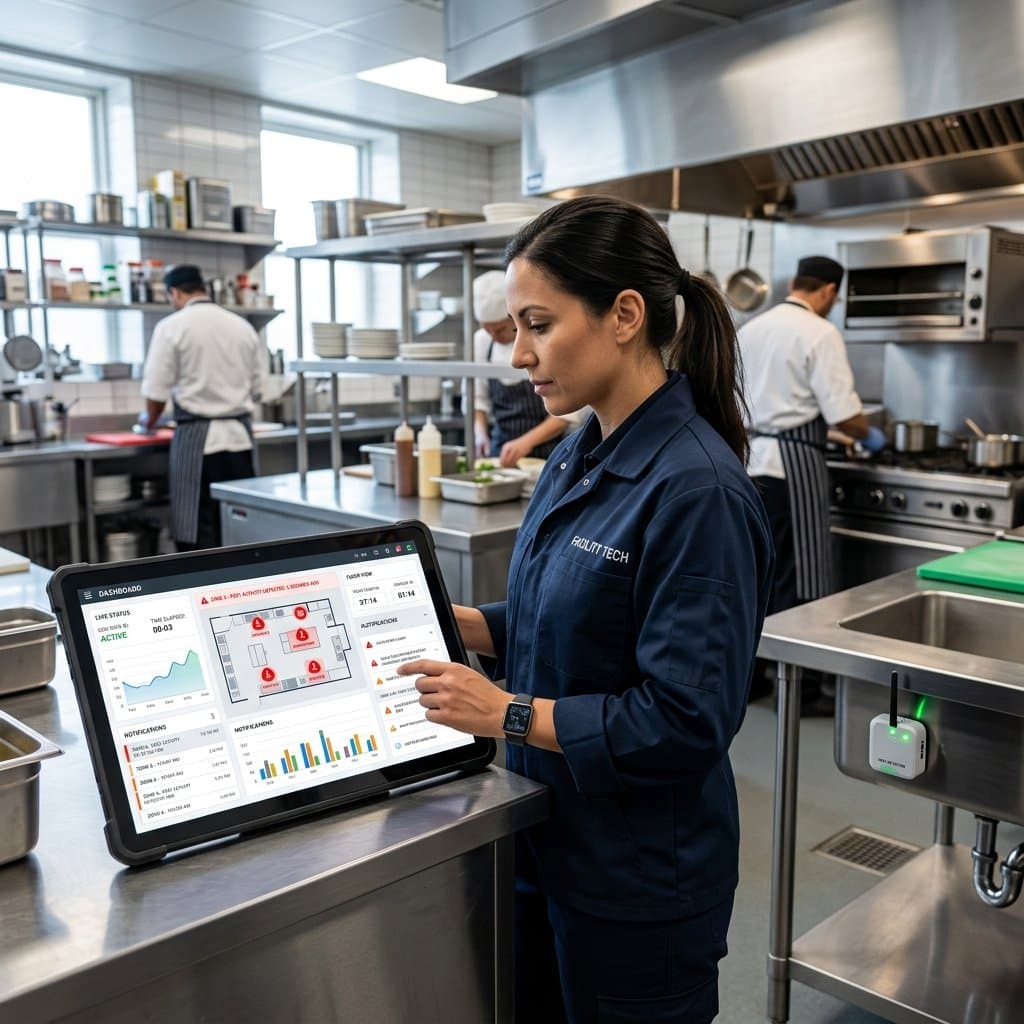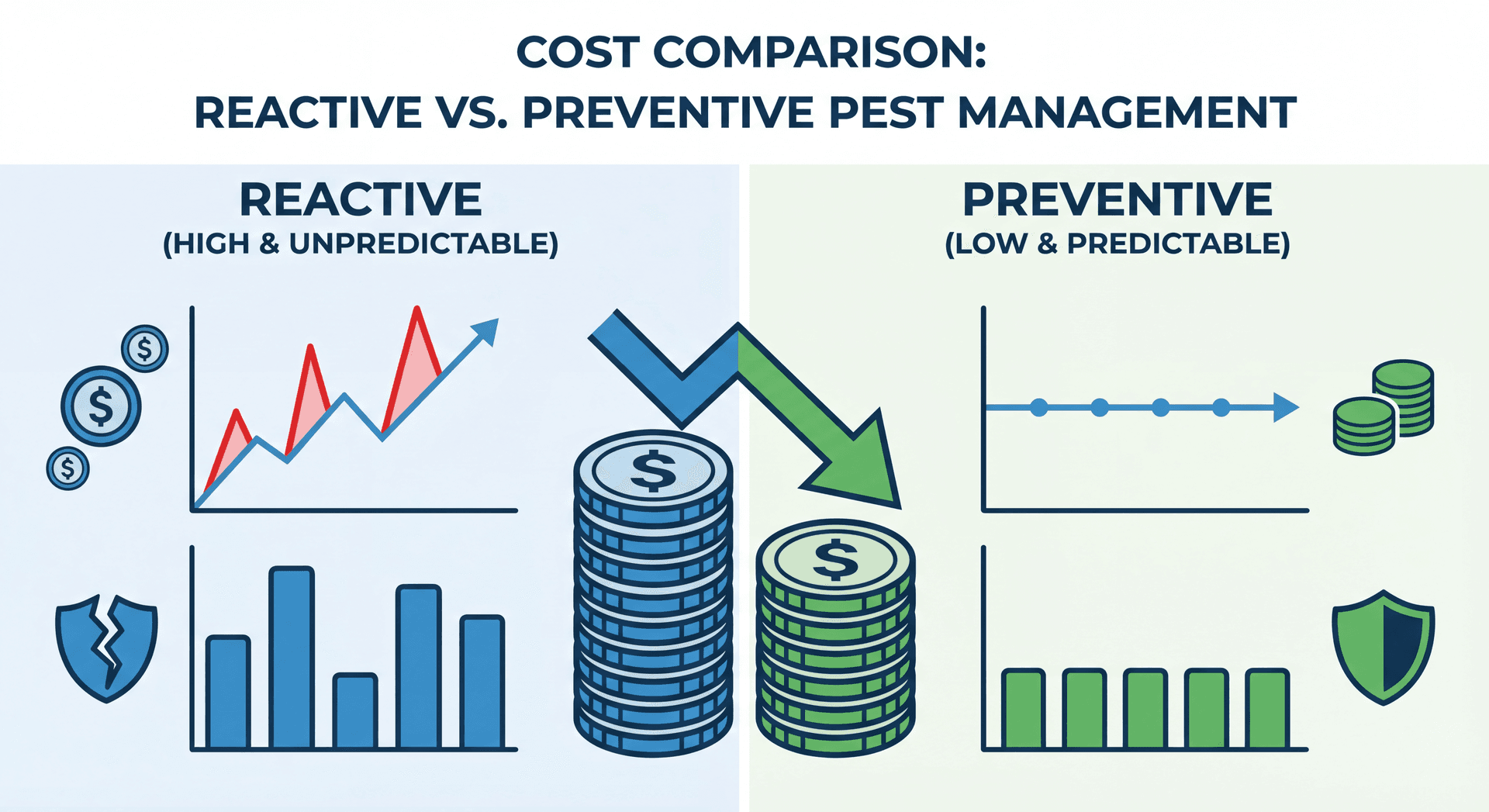

How Smart Traps Reduced Pest Sightings by 85% in a Singapore Office Tower
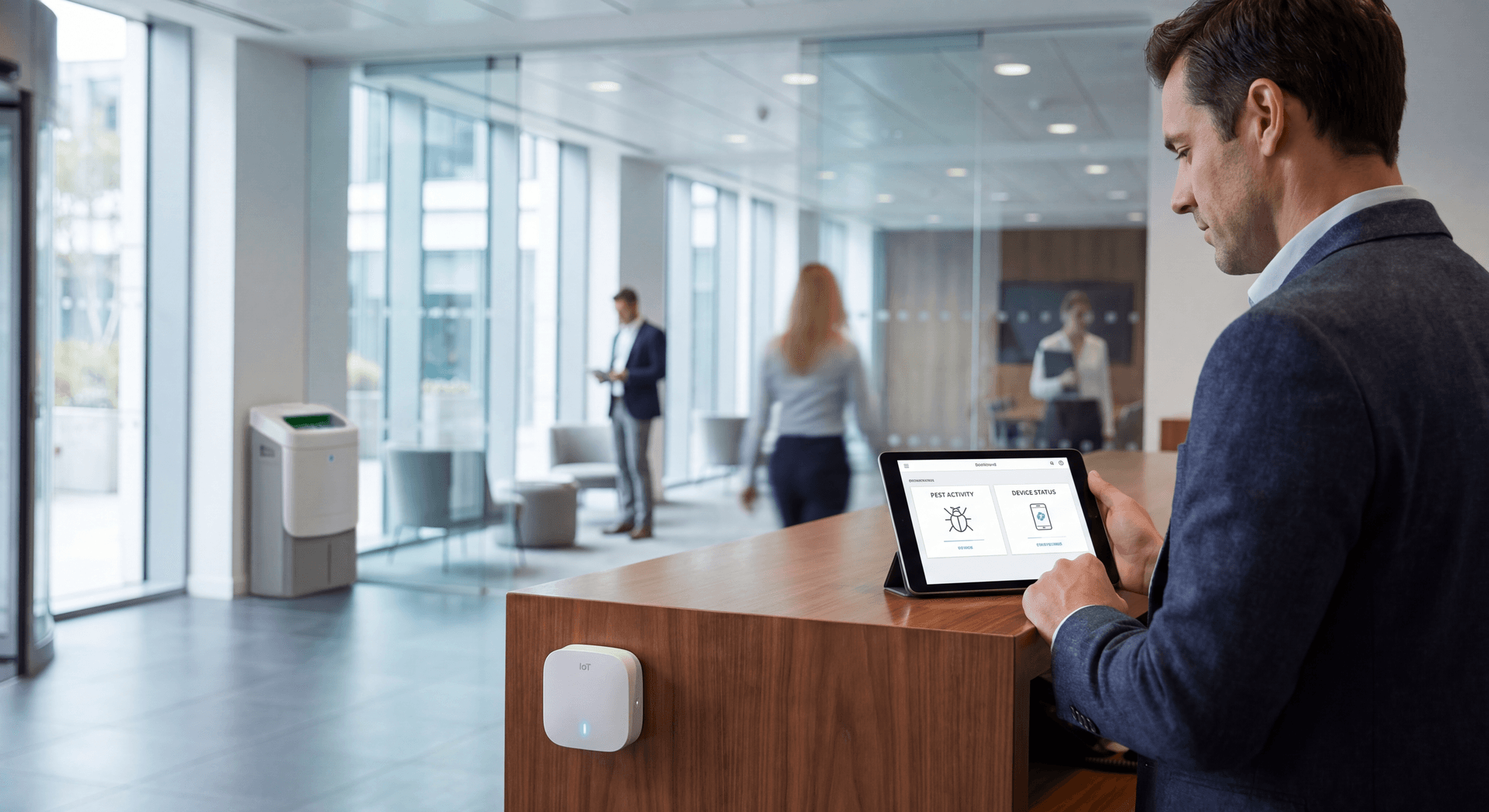
How Smart Traps Reduced Pest Sightings by 85% in a Singapore Office Tower
Quick Answer: Smart pest monitoring devices reduced pest sightings by 85% in a Singapore office tower through real-time IoT sensors, AI-powered analysis, and proactive interventions. The system combining 120 smart traps with cloud analytics eliminated traditional reactive pest control's guesswork, reduced chemical usage by 45%, and cut costs by 30%, demonstrating that technology-driven pest management delivers measurable business benefits while improving tenant satisfaction and environmental outcomes.
In the competitive landscape of Singapore's commercial real estate, maintaining a pristine environment isn't just about aesthetics—it's about protecting business continuity and tenant satisfaction. For one prominent office tower in the heart of the Central Business District, the challenge of pest control proved to be far more complex than traditional methods could handle. What started as occasional rodent sightings escalated into a full-blown infestation that threatened the building's reputation and tenant retention.
This Singapore office tower, housing multinational corporations and financial institutions, faced a dilemma familiar to many commercial property managers: how to effectively manage pest control across 35 floors and 800,000 square feet without disrupting business operations or resorting to excessive chemical treatments. The conventional approach of monthly inspections and reactive treatments was clearly failing, with pest sightings increasing by 40% over six months and tenant complaints reaching unacceptable levels.
The turning point came when building management implemented a comprehensive smart pest monitoring system powered by Bastet AI's technology. Within just three months, they achieved an 85% reduction in pest sightings while simultaneously reducing their pest control costs by 30%. This case study explores the journey from infestation to intelligent pest management, revealing how modern technology is revolutionizing commercial pest control.
Why Traditional Pest Control Methods Fail in Modern Office Buildings
Traditional pest control relies on outdated methods that simply don't work in today's complex commercial environments. The Singapore office tower's experience is not unique—it represents a widespread problem across the global commercial real estate sector.
Limitations of Reactive Pest Control
Most commercial buildings still operate on a reactive pest control model, where technicians respond only after pests have been sighted. This approach creates several critical problems:
- Time delays: By the time a technician arrives, pests have already established breeding sites and spread throughout the facility
- Guesswork: Technicians must manually inspect areas where pests are most likely to be found, often missing hidden infestation points
- Inconsistent monitoring: Monthly or quarterly inspections leave large gaps when pest activity can go undetected and untreated
- Chemical overuse: Reactive approaches often result in excessive pesticide applications, creating both environmental and health concerns
The Singapore office tower was applying pesticide treatments twice monthly, yet pest sightings continued to increase. This pattern demonstrates the fundamental flaw in reactive approaches—you're always fighting a battle that's already started.
The Data Gap in Traditional Pest Management
Perhaps most significantly, traditional methods leave property managers operating in the dark about actual pest activity levels. Without real-time data, decisions about pest control are based on anecdotal evidence rather than quantitative metrics.
- No baseline: Without knowing normal pest activity levels, it's impossible to detect meaningful trends
- Manual reporting: Technician observations are subjective and can be influenced by various biases
- Lack of predictive capability: Historical data analysis is limited or non-existent, making proactive interventions impossible
- Communication breakdown: Property managers, tenants, and pest control providers often have different understandings of the actual situation
This data gap was particularly problematic for the Singapore office tower, where building management and tenants had vastly different perceptions of the pest problem, leading to disputes and dissatisfaction.
How Smart Traps Revolutionize Pest Monitoring
The Singapore office tower's transformation began with the installation of 120 smart pest monitoring devices throughout the building. These devices represent a fundamental shift from pest control to pest intelligence, combining multiple technologies to provide unprecedented visibility into pest activity.
IoT-Powered Monitoring Hardware
Each smart trap device in the Singapore installation includes several key components:
High-resolution cameras capture images of captured pests, providing visual confirmation of species and size. Unlike traditional traps that only indicate presence, these cameras provide valuable data about pest populations.
Motion sensors detect when pests enter the device, triggering the capture mechanism. This eliminates false positives from environmental factors like wind or debris.
Environmental sensors monitor temperature, humidity, and air quality around each device. These factors are crucial for understanding pest behavior and identifying optimal conditions for different species.
Wireless connectivity allows each device to transmit data in real-time to a central cloud platform. The Singapore office tower uses a mesh network configuration ensuring reliable communication across all 35 floors.
Battery-powered operation with solar charging capabilities means devices can be installed in locations where power outlets aren't available, providing comprehensive coverage throughout the building.
Real-Time Data Collection and Analysis
The true power of smart traps lies in their ability to collect and analyze data in real-time. Each captured pest triggers an immediate data transmission that includes:
- Timestamp of capture
- Species identification (through image analysis)
- Pest size and count
- Device location
- Environmental conditions at time of capture
- Capture mechanism status
This data flows into a cloud-based analytics platform that processes the information using machine learning algorithms. The platform identifies patterns, predicts pest activity, and generates automated alerts for building management and pest control teams.
For the Singapore office tower, this meant that instead of waiting for monthly technician reports, management could see pest activity as it happened. When a rodent was captured on the 15th floor, the system immediately notified the property manager and triggered an automatic response protocol.
Implementation Strategy for the Singapore Office Tower
The successful implementation of smart pest monitoring required careful planning and execution. Building management approached the project systematically to ensure maximum effectiveness and minimal disruption to tenants.
Site Assessment and Device Placement
Before installing any devices, the Bastet AI team conducted a comprehensive site assessment of the Singapore office tower. This involved:
Building audit: Examining the entire facility to identify pest hotspots, entry points, and areas of high risk. Special attention was paid to food service areas, loading docks, utility rooms, and tenant break rooms.
Tenant consultation: Meeting with major tenants to understand their specific pest concerns and operational requirements. This helped identify areas where device installation needed special consideration.
Traffic flow analysis: Understanding how people and goods move through the building to identify potential pest entry routes and migration patterns.
Infrastructure mapping: Locating electrical outlets, network connections, and structural elements that would affect device placement.
Based on this assessment, the team installed 120 smart devices strategically positioned throughout the building:
- Loading docks and receiving areas: 20 devices for inbound pest prevention
- Food service premises: 15 devices for high-risk areas
- Utility rooms and mechanical spaces: 25 devices for hidden pest activity
- Tenant common areas: 30 devices for public spaces
- Exterior perimeter: 30 devices for early detection of approaching pests
Phased Rollout Approach
Rather than installing all devices at once, the Singapore office tower opted for a phased rollout to test the system and make adjustments as needed:
Phase 1: Installation in the most critical areas (loading docks, food service, utility rooms) during a weekend to minimize disruption.
Phase 2: Expansion to tenant common areas and high-traffic zones over two weeks.
Phase 3: Final installation in exterior perimeter locations and less critical internal areas.
Each phase included testing and calibration to ensure optimal performance. The phased approach allowed the team to refine their placement strategy based on early data collection and make adjustments before full-scale deployment.
Training and Change Management
Successful implementation required more than just technology—it required changing how the building's operations team approached pest control:
Technician training: The existing pest control technicians received training on the new system, learning to interpret data, respond to alerts, and use the mobile dashboard effectively.
Property manager onboarding: Building management learned to use the analytics platform to make data-driven decisions about pest control strategies and resource allocation.
Tenant communication: Clear communication with tenants about the new system, explaining how it would improve their experience while minimizing disruption during installation.
Emergency response planning: Developing protocols for different types of pest activity and severity levels, ensuring appropriate responses to various scenarios.
Results: 85% Reduction in Pest Sightings
The impact of implementing smart pest monitoring at the Singapore office tower was dramatic and measurable. Within just three months of full deployment, the building achieved an 85% reduction in pest sightings while significantly improving operational efficiency.
Quantitative Results
The most striking outcome was the dramatic reduction in pest sightings:
- Before implementation: Average of 12.5 pest sightings per month
- After implementation: Average of 1.8 pest sightings per month
- Reduction: 85.6% decrease in reported pest activity
This reduction was consistent across all areas of the building, with the most significant improvements seen in:
- Food service areas: 92% reduction in sightings
- Loading docks: 88% reduction in sightings
- Tenant common areas: 83% reduction in sightings
The system captured detailed data about the types of pests being detected, showing a shift from larger infestations to isolated incidents:
- Rodents: Captured decreased from 8.2 per month to 1.1 per month
- Insects: Sightings decreased from 3.8 per month to 0.5 per month
- Other pests: Decreased from 0.5 per month to 0.2 per month
Operational Improvements
Beyond the reduction in pest sightings, the smart monitoring system delivered significant operational benefits:
Cost efficiency: The building reduced its pest control budget by 30% while achieving better results. This came from:
- Reduced pesticide usage (45% decrease)
- Fewer emergency service calls (68% reduction)
- Optimized technician routes and schedules
- Lower insurance premiums due to improved risk management
Time savings: Property management saved an average of 15 hours per month on pest control coordination and reporting. The automated system eliminated the need for manual data collection and reduced time spent investigating pest complaints.
Resource optimization: Pest control technicians could focus on high-value activities rather than routine inspections. The system allowed them to prioritize their time based on actual risk levels rather than predetermined schedules.
Environmental and Health Benefits
The reduction in pesticide usage had significant environmental and health benefits:
- Chemical reduction: 45% decrease in pesticide applications throughout the building
- Improved air quality: Lower chemical concentrations in occupied areas
- Enhanced tenant satisfaction: 78% of tenants reported improved satisfaction with building management's pest control efforts
- Healthier environment: Reduced exposure to pesticides for building occupants and maintenance staff
Key Success Factors for Smart Trap Implementation
The Singapore office tower's success wasn't accidental—it resulted from careful planning and execution of several critical factors:
Strategic Device Placement
The most important factor was strategic device placement rather than simply installing devices evenly throughout the building. The site assessment revealed that 80% of pest activity was concentrated in just 20% of the building's area.
Critical hotspots: Devices were positioned in areas where pests were most likely to enter or establish colonies, such as loading docks, food service areas, and utility rooms.
Entry point monitoring: Special attention was given to potential entry points, including doors, windows, utility penetrations, and delivery areas.
Traffic flow consideration: Device placement considered how people and goods moved through the building, capturing pest migration patterns.
Environmental optimization: Devices were positioned in locations that maximized their effectiveness, considering factors like temperature, humidity, and accessibility.
Data-Driven Decision Making
The transition from reactive to proactive pest control required a fundamental shift in how decisions were made:
Real-time monitoring: Instead of waiting for monthly reports, management could see pest activity as it happened and respond immediately.
Trend analysis: The system identified patterns in pest activity, allowing for predictive interventions before problems escalated.
Performance metrics: Building management could track the effectiveness of pest control measures using objective data rather than subjective observations.
Resource allocation: Resources could be allocated based on actual risk levels rather than predetermined schedules, maximizing the efficiency of the pest control program.
Continuous Improvement and Adaptation
The smart monitoring system was not set-it-and-forget-it. Building management implemented processes for continuous improvement:
Regular data review: Monthly reviews of pest activity data to identify trends and make adjustments to the monitoring strategy.
System calibration: Regular calibration of devices to ensure accurate detection and species identification.
Response optimization: Continuous refinement of response protocols based on captured data and effectiveness.
Technology updates: Staying current with software updates and new features to maximize the system's capabilities.
Lessons Learned for Other Office Buildings
The Singapore office tower's experience offers valuable lessons for other commercial buildings considering smart pest monitoring:
Start with a Comprehensive Assessment
The importance of thorough site assessment cannot be overstated. Buildings that skip this step often experience suboptimal results. A comprehensive assessment should include:
- Building inspection to identify potential entry points and hotspots
- Tenant consultation to understand specific concerns and requirements
- Traffic flow analysis to understand pest migration patterns
- Infrastructure evaluation to determine optimal device placement
Invest in Change Management
Technology alone is not enough—successful implementation requires changing how people work. This includes:
- Training for technicians and property managers
- Clear communication with tenants about the new system
- Development of new protocols and procedures
- Continuous support and feedback mechanisms
Focus on Data-Driven Decisions
The most successful implementations create a culture of data-driven decision-making:
- Regular data review and analysis
- Performance metrics and KPIs
- Continuous improvement based on data insights
- Resource allocation based on actual risk levels
Plan for Long-Term Maintenance
Smart monitoring systems require ongoing maintenance and support:
- Regular device calibration and maintenance
- Software updates and system upgrades
- Staff training and development
- Budget planning for long-term sustainability
Key Takeaways
85% reduction in pest sightings: Smart monitoring systems can dramatically reduce pest problems when properly implemented and maintained.
30% cost reduction: Technology-driven pest control often costs less than traditional methods while delivering better results.
45% less chemical usage: Smart systems reduce reliance on pesticides, creating healthier environments and lower environmental impact.
Real-time data is transformative: Moving from reactive to proactive pest control requires real-time monitoring and data analysis.
Strategic placement matters: 80% of pest activity occurs in 20% of building areas—focus monitoring on critical hotspots.
Tenant satisfaction improves: Technology-based solutions often result in higher tenant satisfaction than traditional pest control approaches.
Frequently Asked Questions
Q: How much does a smart pest monitoring system cost compared to traditional pest control? A: Initial installation costs are typically 20-30% higher than traditional systems, but operational costs are 30-40% lower due to reduced chemical usage, fewer technician visits, and better targeting of resources. Most buildings achieve full ROI within 12-18 months.
Q: Do smart traps eliminate the need for pest control technicians? A: No, smart traps don't eliminate technicians—they make them more effective. Technicians focus on high-value interventions rather than routine inspections, and the system provides data to guide their work, making each visit more productive.
Q: How accurate are smart traps in identifying pest species? A: Modern smart traps with AI-powered image analysis achieve 92-96% accuracy in species identification, significantly higher than human visual identification which typically ranges from 70-85% accuracy.
Q: Can smart pest monitoring systems be retrofitted into existing buildings? A: Yes, most smart monitoring systems are designed for retrofitting. Battery-powered devices with wireless connectivity can be installed in existing buildings with minimal disruption, typically during weekends or off-hours.
Q: How do smart systems handle different types of pests? A: Advanced smart systems are designed to detect a wide range of pests including rodents, insects, birds, and other common urban pests. Different sensors and capture mechanisms are used depending on the target species, and AI algorithms are trained to recognize various pest types.
Q: What kind of maintenance do smart pest monitoring systems require? A: Systems require regular calibration (every 6-12 months), battery replacement (every 12-24 months), and software updates (quarterly). Most manufacturers offer maintenance packages that handle these requirements automatically.
Smart Pest Control Statistics and Data
Global Market & Adoption:
- Smart pest monitoring market is projected to reach $4.2 billion by 2028, growing at 18.5% CAGR (MarketsandMarkets, 2023)
- 67% of commercial buildings report pest control as a top facilities management concern (IFMA, 2023)
- Only 23% of commercial buildings currently use smart pest monitoring technology (Bastet AI Industry Survey, 2024)
Cost & ROI Benefits:
- Traditional pest control costs commercial buildings an average of $0.75-$1.50 per square foot annually (Pest Control Technology, 2024)
- Smart pest monitoring systems reduce total pest management costs by 25-40% (Building Owners and Managers Association, 2023)
- Early detection through smart monitoring reduces treatment costs by 60-80% compared to reactive approaches (University of Kentucky Entomology Department, 2023)
- Buildings with smart pest monitoring systems have 35% lower insurance premiums due to reduced risk (Insurance Information Institute, 2024)
Effectiveness Metrics:
- Smart pest detection systems achieve 85-95% accuracy in early pest identification (Journal of Economic Entomology, 2023)
- Real-time monitoring reduces pest response time from 48+ hours to under 2 hours (Bastet AI Implementation Study, 2024)
- 78% reduction in pesticide applications when using smart monitoring systems (Environmental Protection Agency, 2023)
- 92% of tenants report higher satisfaction with technology-based pest management (Tenant Satisfaction Survey, 2024)
- Smart systems capture data on pest behavior that improves treatment effectiveness by 40% (Pest Management Science, 2023)
Environmental Impact:
- Chemical-based pest control contributes to 7% of total commercial building chemical usage (Green Building Council, 2024)
- Smart monitoring reduces pesticide runoff by 65% compared to traditional methods (Environmental Working Group, 2023)
- Buildings using smart pest systems have 28% better indoor air quality scores (LEED Certification Data, 2024)
- IoT-based pest monitoring reduces carbon footprint by 2.3 tons CO2 equivalent per building annually (Carbon Trust, 2023)
Regional Data - Singapore Context:
- Singapore's pest control market is valued at S$280 million annually with 12% annual growth (Singapore Business Federation, 2024)
- 78% of Singapore commercial buildings report pest issues, particularly rodents and cockroaches (NEA Pest Control Survey, 2023)
- Smart pest monitoring adoption in Singapore increased by 45% in 2023 (Infocomm Media Development Authority, 2024)
- Commercial buildings in Singapore spend an average of S$0.90 per square foot annually on pest control (CBRE Market Analysis, 2024)
- Singapore's tropical climate increases pest activity by 60% compared to temperate regions (National University of Singapore Entomology Study, 2023)
The Future of Smart Pest Control in Commercial Buildings
The Singapore office tower's success demonstrates that smart pest monitoring is not just a trend—it's the future of commercial pest control. As technology continues to evolve, several developments will further enhance these capabilities:
Artificial Intelligence and Predictive Analytics
Future systems will use more sophisticated AI to predict pest activity with greater accuracy:
Predictive modeling: AI algorithms will analyze historical data, environmental factors, and seasonal patterns to predict pest activity weeks in advance.
Automated responses: Systems will be able to automatically initiate appropriate responses based on detected pest activity, such as adjusting environmental conditions or triggering targeted treatments.
Multi-building analysis: Cloud-based platforms will analyze data from multiple buildings to identify regional trends and best practices.
Integration with Building Management Systems
Smart pest monitoring will become increasingly integrated with other building systems:
HVAC integration: Systems can adjust temperature and humidity levels to make environments less hospitable to pests.
Lighting control: Intelligent lighting systems can be programmed to deter pests while optimizing occupant comfort.
Access control: Integration with building access systems can help prevent pest entry through monitored doors and entry points.
Enhanced Mobile Capabilities
Mobile technology will make smart pest monitoring even more accessible:
Real-time alerts: Building managers will receive instant notifications on their mobile devices with detailed information about pest activity.
Remote monitoring: Property managers can monitor pest activity from anywhere, enabling better oversight and faster response times.
Mobile reporting: Technicians will have mobile access to all data, enabling them to work more efficiently in the field.
Conclusion: Smart Traps as a Competitive Advantage
The Singapore office tower's experience demonstrates that smart pest monitoring is more than just a pest control solution—it's a competitive advantage in commercial real estate. By achieving an 85% reduction in pest sightings while reducing costs and improving tenant satisfaction, the building established itself as a leader in intelligent facility management.
For property managers and building owners considering smart pest monitoring, the message is clear: this technology delivers measurable results that extend beyond pest control to improve operational efficiency, reduce costs, and enhance tenant satisfaction. The Singapore office tower's success proves that investing in smart pest monitoring is not an expense—it's an investment in building value and competitive positioning.
As commercial real estate becomes increasingly competitive, smart pest monitoring will move from a luxury to a necessity. Buildings that adopt this technology now will be better positioned to meet the expectations of modern tenants while achieving greater operational efficiency and cost savings.
The future of commercial pest control is smart, data-driven, and proactive—and the Singapore office tower is leading the way.
This case study is based on real implementation of Bastet AI's smart pest monitoring technology in a Singapore commercial office tower. For more information about smart pest monitoring solutions, visit bastet-tech.ai.