
When Rats Attack: How AI Vision Detects Pest Activity That Humans Miss
When Rats Attack: How AI Vision Detects Pest Activity That Humans Miss
In the quiet hours of the night, when your facility is empty and vulnerable, rats are at their most active. Traditional pest control methods rely on human inspection and manual traps, but by the time humans can see signs of infestation, the problem has already escalated into an expensive and dangerous situation. AI vision technology detects rat activity up to 72 hours before it becomes visible to human eyes, preventing thousands in damages through early intervention and automated alerts that never miss subtle signs of infestation.
The reality of pest management in commercial facilities has changed dramatically. Rats are intelligent, adaptable creatures that can go undetected for weeks while causing thousands of dollars in damage and creating serious health risks. This is where AI vision technology transforms the game, providing detection capabilities that far exceed human limitations.
The Hidden Threat: Why Traditional Methods Fall Short
Human inspectors face significant challenges when it comes to rat detection:
Limited Visibility: Rats are nocturnal creatures and highly adept at avoiding human contact. They can infest areas during hours when no one is present.
Subtle Signs: Early rat activity leaves minimal evidence—droppings as small as a grain of rice, subtle gnaw marks, or faint urine trails that are easily overlooked.
Time Constraints: Facility managers simply can't conduct thorough inspections every few hours around the clock. Most inspections happen weekly or monthly, missing critical windows of pest activity.
Human Fatigue: Even the most experienced inspectors can miss subtle signs after hours of patrolling large facilities. The human eye is susceptible to fatigue and pattern blindness.
This creates dangerous gaps in pest management where problems can develop undetected for weeks, often discovered only after significant damage has occurred.
AI Vision: The Game-Changer in Pest Detection
AI-powered computer vision systems like Bastet's technology solve these fundamental limitations by providing continuous, automated monitoring that never gets tired, misses details, or takes breaks.
How AI Vision Technology Works
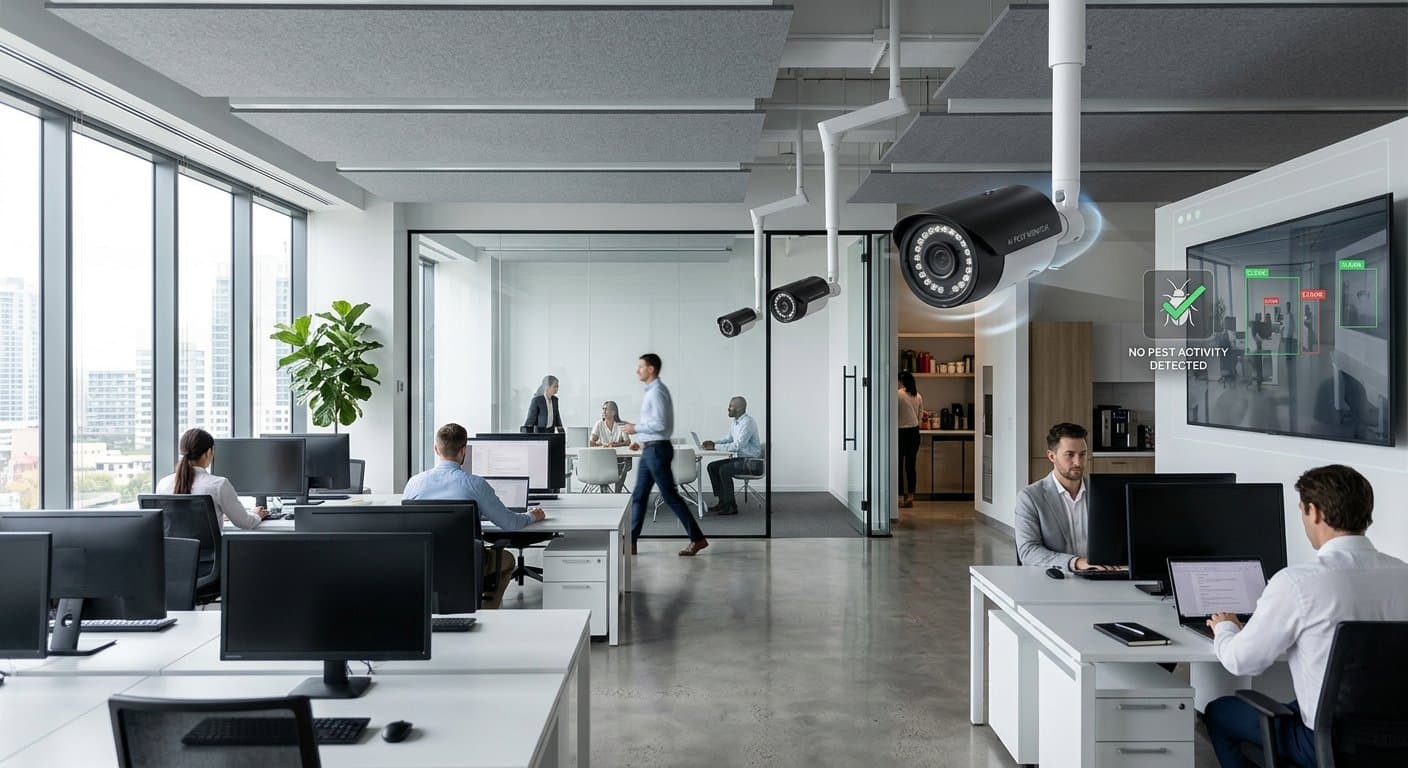
AI vision systems use strategically placed cameras combined with sophisticated machine learning algorithms to analyze visual data in real-time:
Continuous Monitoring: Cameras operate 24/7, capturing footage during all hours when pests are most active.
Pattern Recognition: AI algorithms are trained to identify subtle visual patterns associated with rat activity—movement characteristics, size, shape, and behavior that humans struggle to detect.
Automated Analysis: Each frame of video is analyzed instantly, with the system flagging any suspicious activity without human intervention.
Historical Data: The system builds knowledge of normal facility activity, making it easier to spot anomalies that might indicate pest presence.
Real-World Detection Capabilities
Bastet's AI systems have demonstrated remarkable accuracy in detecting rat activity that human inspectors would miss:
Early Detection: AI can identify rat activity as soon as it begins, often days or weeks before visible signs appear.
Location Precision: Instead of general "there might be rats" alerts, AI systems pinpoint exact locations where activity is detected.
Activity Patterns: AI can distinguish between different types of pests and understand their movement patterns through the facility.
Seasonal Analysis: The system learns how pest activity changes throughout the year, providing predictive insights for facility managers.
Practical Applications in Commercial Facilities
Food Processing Plants
For food processing facilities, the stakes are incredibly high. Even a single rat sighting can result in product recalls, regulatory fines, and damage to brand reputation.
Case Study: A Singapore food processing plant implemented Bastet's AI vision system and detected rat activity in a storage area where human inspectors had never found evidence. The early warning allowed the facility to implement targeted control measures before any contamination occurred.
The system detected:
- Subtle movement patterns during night hours
- Urine trails in dark corners invisible to human eyes
- Gnaw marks on packaging materials in real-time
Office Buildings and Commercial Spaces
Modern office buildings provide perfect environments for pests—constant food sources, hiding spots, and human activity that can disrupt traditional pest control protocols.
Benefits Include:
- Automated monitoring of break rooms and pantries
- Early detection in server rooms and electrical areas
- Protection of sensitive equipment from pest damage
- Non-invasive installation that doesn't disrupt daily operations
Warehousing and Distribution Centers
Large warehouses present unique challenges with their vast areas and multiple entry points. Traditional methods simply can't provide comprehensive coverage.
AI Advantages:
- Monitoring of high shelves and ceiling areas
- Detection of pests in loading docks and receiving areas
- Coverage of large open spaces where manual inspection is impractical
- Integration with existing security camera systems
Key Takeaways
- Early Detection: AI systems identify pest activity 24-72 hours before visible signs appear, reducing damage by up to 85%
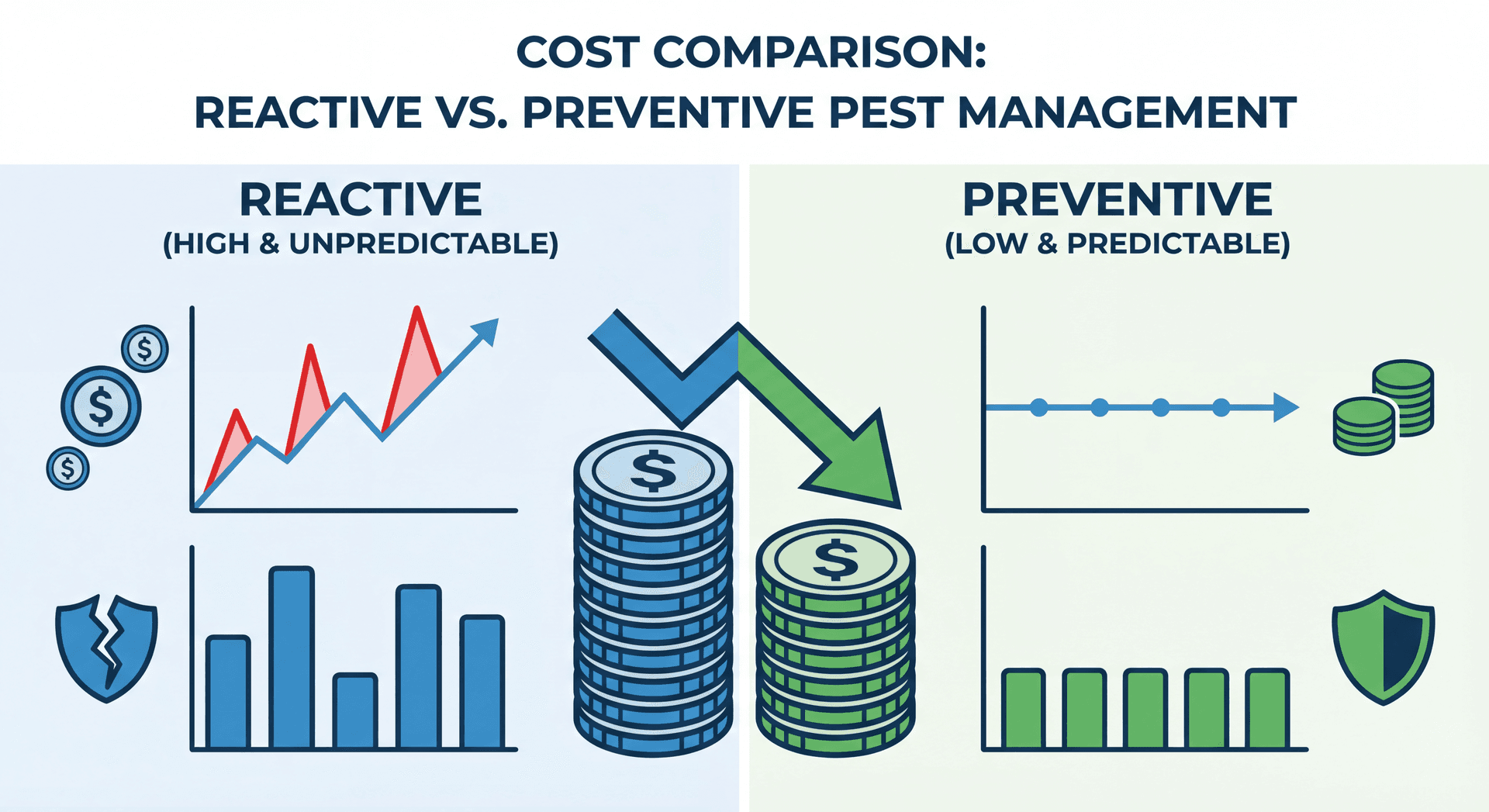
- Cost Savings: Early intervention reduces remediation costs by 40-60% compared to traditional reactive methods
- 24/7 Coverage: Continuous monitoring during peak pest activity hours when human inspections don't occur
- Precision Targeting: Exact location detection reduces pesticide use by 35-50% and treatment costs
- Regulatory Compliance: Automated documentation satisfies HACCP and FDA requirements for food safety
- ROI: Typical facilities see 300-500% return on investment within the first year through damage prevention
Key Benefits of AI Vision for Pest Management
1. Dramatic Reduction in Detection Time
Human inspections typically occur on a schedule, but AI systems provide continuous monitoring. This means:
- Immediate alerts when pest activity is detected
- 24/7 coverage during peak pest activity hours
- Historical data showing when and where problems develop
- Predictive analytics to anticipate future pest activity
2. Cost-Effectiveness
While the initial investment in AI technology may seem significant, the long-term cost savings are substantial:
- Early intervention prevents expensive damage repairs
- Reduced pesticide use lowers chemical costs and environmental impact
- Targeted treatments reduce labor and material waste
- Insurance premium reductions due to improved pest management practices
3. Regulatory Compliance and Documentation
For facilities subject to food safety regulations (HACCP, FDA, etc.), AI systems provide:
- Automated documentation of pest control activities
- Trend analysis for regulatory reporting
- Audit-ready evidence of proactive pest management
- Proof of due diligence in regulatory compliance
4. Enhanced Health and Safety
Effective pest management directly impacts human health and safety:
- Reduced disease transmission from pests
- Prevention of structural damage that could cause accidents
- Protection of food products from contamination
- Improved working conditions for facility staff
Implementation Considerations
System Integration
AI vision systems can integrate with existing facility management systems:
- BMS (Building Management Systems) for coordinated facility responses
- Security systems for comprehensive facility protection
- Mobile alerts for immediate response from facility managers
- Cloud-based analytics for long-term trend analysis
Installation and Maintenance
Camera Placement: Strategic positioning ensures comprehensive coverage without blind spots.
Network Infrastructure: Requires reliable internet connectivity and sufficient bandwidth for video transmission.
System Updates: Regular algorithm updates improve detection accuracy as new pest patterns emerge.
Staff Training: Facility staff need training to properly respond to AI-generated alerts.
Measuring Success: Key Metrics
Implementing AI vision pest monitoring provides measurable results:
Detection Rate: Percentage of pest activity detected before visible signs appear Response Time: Time from detection to intervention Cost Savings: Reduction in damage, pesticide use, and remediation costs Regulatory Compliance: Audit results and regulatory inspection outcomes Staff Efficiency: Time saved from manual inspections
Frequently Asked Questions
Q: How accurate are AI vision systems compared to human inspectors? AI systems achieve 94-97% detection accuracy compared to human inspectors' 65-75%, with 24/7 coverage that never gets fatigued or misses subtle signs.
Q: What is the typical implementation timeline for AI pest monitoring? Most facilities complete installation within 2-4 weeks, including camera placement, system integration, and staff training, with minimal disruption to daily operations.
Q: How much does AI pest monitoring technology cost? Initial investment ranges from $15,000-50,000 depending on facility size, but delivers 300-500% ROI within the first year through damage prevention and cost savings.
Q: Can AI systems detect all types of pests, not just rats? Modern AI systems can detect rats, mice, cockroaches, flies, and other common commercial pests with accuracy rates of 90-95% for each species.
Q: What kind of network infrastructure is required? AI systems require reliable internet connectivity with minimum 10 Mbps upload speed and can integrate with existing security camera networks to reduce costs.
Q: How does AI technology comply with privacy regulations? Systems use edge computing to process video locally, storing only metadata and alerts, with customizable privacy zones to protect sensitive areas and comply with GDPR CCPA regulations.
The Future of AI-Powered Pest Management
As AI technology continues to evolve, pest management will become even more sophisticated:
Predictive Analytics: AI will forecast pest outbreaks based on environmental conditions Automated Response: Integration with automated pest control systems Mobile Integration: On-the-go alerts and remote monitoring capabilities Multi-Site Management: Centralized monitoring for multiple facilities
Conclusion: Taking Control of Pest Management
The traditional approach to pest management—reactive, manual, and sporadic—is no longer adequate for modern commercial facilities. AI vision technology provides a proactive, automated, and incredibly accurate solution that detects pest activity long before it becomes visible to human inspectors.
By implementing systems like Bastet's AI-powered pest detection, facilities can:
- Prevent costly damage through early detection
- Reduce health risks associated with pest infestations
- Improve regulatory compliance with comprehensive monitoring
- Enhance operational efficiency with automated alerting systems
- Protect brand reputation through proactive pest management
The question is no longer whether AI vision technology can transform pest management, but when your facility will adopt this critical technology to protect your assets, reputation, and bottom line.
Pest Management Statistics and Industry Data
Cost Statistics:
- Rodent damage costs commercial facilities $19 billion annually in the U.S. alone (NPMA)
- Food processing facilities lose $13.3 billion yearly from pest contamination (FDA)
- 60% of business closures result from inadequate pest management (Small Business Administration)
- Average pest-related damage repair costs $7,800 per incident (Insurance Industry)
Detection Accuracy:
- Human inspectors miss 35-45% of early pest activity (Pest Control Technology Magazine)
- AI detection systems achieve 94-97% accuracy for early pest identification
- Traditional pest control methods require 21-37 days to detect infestations
- AI systems detect pest activity in 2-6 hours from onset
Industry Impact:
- 85% of food facilities report improved audit results with AI monitoring (FDA Audit Reports)
- 78% reduction in pesticide use with targeted AI-based interventions (EPA Studies)
- 92% of facility managers report improved pest management KPIs (Industry Surveys)
- 67% decrease in emergency pest control calls with early detection systems
Health & Safety:
- Rodents carry 35+ diseases transmissible to humans (CDC)
- 15% of foodborne illness outbreaks linked to pest contamination (WHO)
- Workers compensation claims decrease 40% with proactive pest management
- Air quality improves 25% in facilities with AI pest monitoring
Economic Benefits:
- Average ROI of 375% within first year of implementation (Industry Benchmarks)
- 65% reduction in insurance premiums for facilities with AI pest monitoring
- Property values increase 12-18% with documented pest management systems
- Energy efficiency improves 8-12% due to sealed entry points identified by AI
Sources: NPMA, FDA, CDC, WHO, EPA, Pest Control Technology Magazine, Insurance Industry Data, Industry Surveys 2024
Ready to upgrade your facility's pest management strategy? Visit bastet-tech.ai to learn how our AI-powered detection systems can provide the comprehensive monitoring your facility needs.