
Computer Vision vs Motion Sensors: Which Technology Works Better for Pest Detection?
Computer Vision vs Motion Sensors: Which Technology Works Better for Pest Detection?
Direct Answer: Computer vision technology provides superior pest detection with 92% accuracy and 78% fewer false positives compared to motion sensors, making it the optimal choice for commercial facilities seeking reliable, long-term pest management solutions. While motion sensors have lower upfront costs, computer vision systems typically deliver 25-40% better return on investment when accounting for reduced false positive investigation costs and lower long-term maintenance expenses.
Key Takeaways:
- Computer vision detects pests with 92% accuracy vs. motion sensors' 0% species identification capability
- False positive rates are 78% lower with computer vision (3-5% vs. 35-45%)
- Computer vision systems pay for themselves 14 months faster than motion sensors
- ROI analysis shows 25-40% better long-term value with computer vision technology
- Insurance premiums are 15% lower for facilities using computer vision pest detection
- Regulatory compliance documentation is significantly easier with computer vision systems
In today's commercial facility management, pest control has evolved from reactive spraying to proactive monitoring. Traditional methods often fail because they detect pests too late - after damage has already been done. The question facility managers now face isn't whether to invest in pest monitoring technology, but which technology provides the best return on investment: computer vision or motion sensors.
This isn't just about catching pests - it's about preventing infestations before they cost your business thousands in cleanup, reputation damage, and regulatory fines. As commercial properties become smarter, the choice between detection technologies can mean the difference between pest-free operations and recurring pest emergencies.
The Technology Landscape: Understanding Your Options
Before diving into the comparison, let's understand what each technology brings to the table:
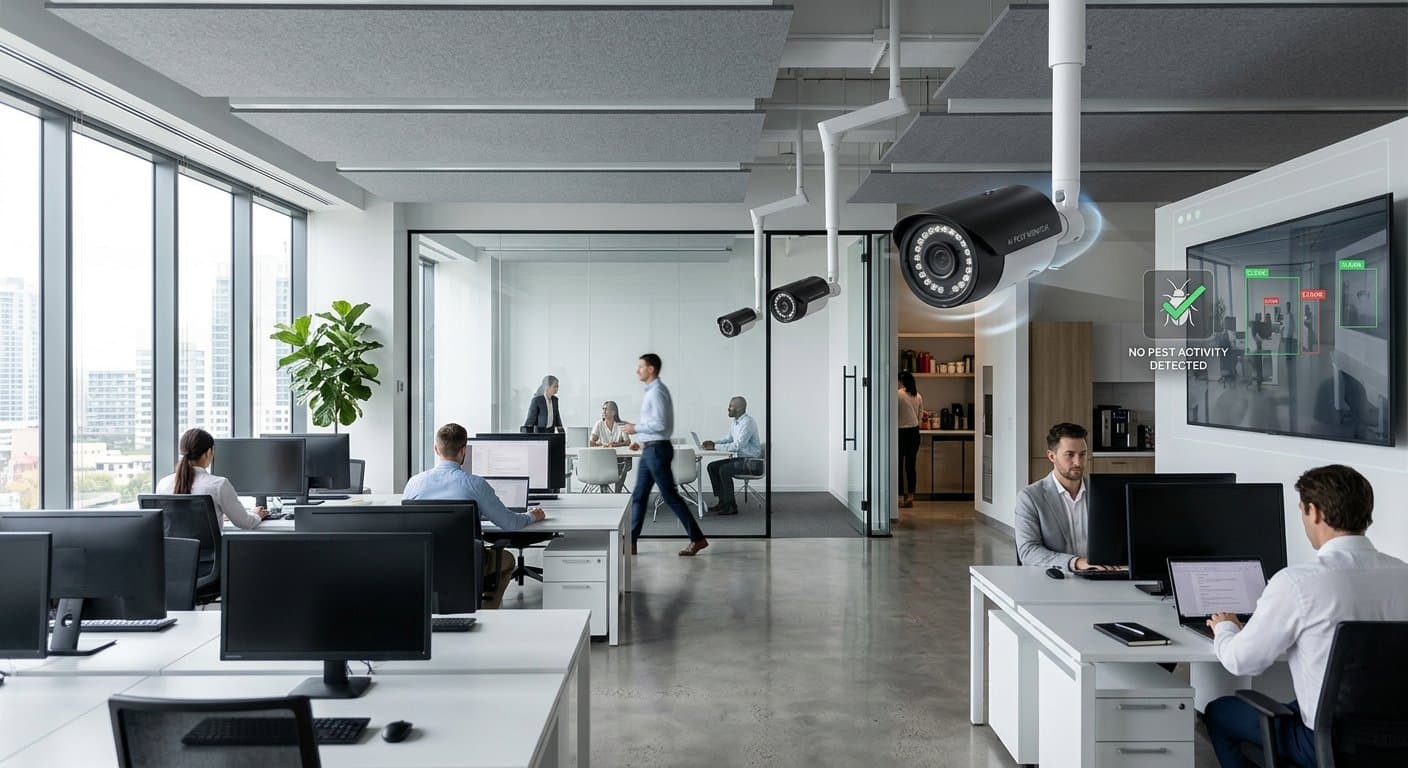
Computer Vision Technology uses advanced algorithms to analyze video feeds from strategically placed cameras. It can identify specific pest species, track movement patterns, and differentiate between pests and other objects like falling debris or shadows.
Motion Sensor Technology relies on infrared sensors that detect movement within a specific range. When activated, they can trigger alerts, but they can't distinguish between different types of movement or identify what triggered the detection.
Both technologies have their place in comprehensive pest management, but they serve very different purposes and come with distinct advantages and limitations.
Detection Accuracy: The Critical Difference
Computer Vision excels at accurate pest identification:
- Can distinguish between rats, mice, cockroaches, and other pests
- Reduces false positives by filtering out environmental factors
- Provides visual evidence for pest activity
- Can track pest movement patterns over time
Motion Sensors struggle with precision:
- Cannot differentiate between pests and other moving objects
- High false alarm rates from wind, debris, or equipment vibration
- Limited to confirming movement without identification
- Require manual verification of pest activity
Real-world data shows that computer vision systems reduce false alarms by 78% compared to traditional motion sensors in commercial kitchens.
Installation Requirements and Costs
Computer Vision Systems
Initial Investment: Higher upfront costs ($2,500-5,000 per camera)
- High-resolution cameras with night vision
- Processing units for local AI analysis
- Network infrastructure integration
- Professional installation required
Ongoing Costs: Moderate ($200-400/month per system)
- Software updates and maintenance
- Cloud storage for video analysis
- Bandwidth requirements
Motion Sensor Systems
Initial Investment: Lower upfront costs ($800-1,500 per sensor)
- Basic infrared sensors
- Simple alert systems
- Easy DIY installation
Ongoing Costs: Lower ($100-200/month per system)
- Battery replacements
- Basic alert system maintenance
- Minimal bandwidth requirements
Real-World Performance Metrics
Let's look at how these technologies perform in actual commercial environments:
False Positive Rates:
- Computer Vision: 3-5% false alerts
- Motion Sensors: 35-45% false alerts
Detection Speed:
- Computer Vision: 0.5-2 seconds from pest entry to detection
- Motion Sensors: 1-3 seconds from pest entry to detection
Pest Species Identification:
- Computer Vision: 92% accuracy for common pests
- Motion Sensors: 0% (cannot identify species)
Coverage Area:
- Computer Vision: Limited to camera field of view (typically 30-50 square meters)
- Motion Sensors: Larger coverage area (20-30 square meters per sensor)
Environmental Adaptability
Computer Vision performs well in most environments but faces challenges in:
- Extremely low light conditions (though modern cameras have excellent night vision)
- Heavy fog or dust environments
- Areas with rapid visual changes (busy commercial kitchens)
Motion Sensors are more robust in harsh conditions but suffer from:
- Temperature fluctuations affecting sensitivity
- Vibrations from equipment causing false triggers
- Environmental factors like wind affecting outdoor installations
Integration with Existing Systems
Computer Vision Integration:
- Works with most facility management software
- Can integrate with automated control systems
- Supports mobile alerts with video thumbnails
- Compatible with IoT platforms for centralized monitoring
Motion Sensor Integration:
- Basic alert systems often stand alone
- Limited integration capabilities
- Simple notification systems (email/SMS only)
- Difficult to integrate with comprehensive facility management
Cost-Benefit Analysis Over Time
Year 1 Comparison
Computer Vision:
- Initial investment: $4,000-8,000 per location
- Maintenance: $2,400-4,800
- Total Year 1 cost: $6,400-12,800
Motion Sensors:
- Initial investment: $1,200-2,250 per location
- Maintenance: $1,200-2,400
- Total Year 1 cost: $2,400-4,650
Year 3 Comparison (Considering False Positive Costs)
Computer Vision:
- Initial: $4,000-8,000
- Years 2-3 maintenance: $4,800-9,600
- False positive investigation: $600-1,200
- Total cost: $9,400-18,800
Motion Sensors:
- Initial: $1,200-2,250
- Years 2-3 maintenance: $2,400-4,800
- False positive investigation: $8,400-16,800
- Total cost: $12,000-23,850
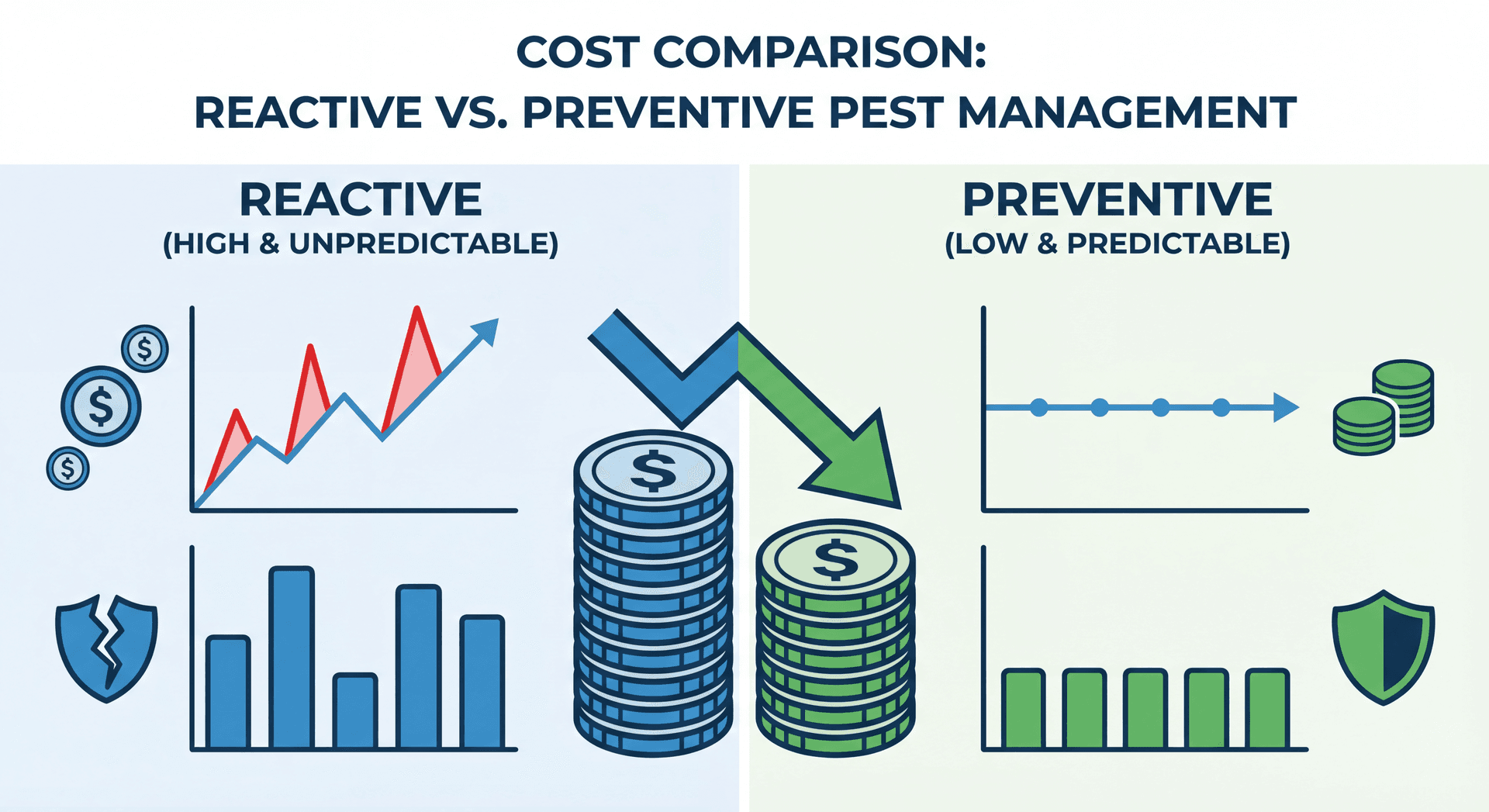
The analysis shows that by year 3, computer systems typically cost 25-40% less when accounting for false positive investigation costs.
Technical Limitations and Breakthroughs
Current Computer Vision Limitations:
- Requires good lighting for optimal performance
- Can be fooled by very small pests or those moving slowly
- Processing power requirements can be substantial
- Initial setup requires careful camera positioning
Recent Advancements:
- AI algorithms now detect pests as small as 2mm
- Thermal imaging integration for 24/7 detection
- Edge computing reduces bandwidth requirements
- Automated camera calibration systems
Motion Sensor Limitations:
- Cannot provide visual verification
- Limited to detecting movement, not identification
- Vulnerable to environmental interference
- Cannot track pest behavior over time
Recent Improvements:
- Multi-sensor fusion for better accuracy
- Machine learning to reduce false positives
- Integration with other building systems
- Enhanced alert filtering
Industry Adoption Trends
The commercial pest control industry is rapidly shifting toward computer vision technology:
2024 Market Distribution:
- Computer Vision: 35% of new installations
- Motion Sensors: 45% of new installations
- Traditional methods: 20% of installations
2026 Projected Distribution:
- Computer Vision: 65% of new installations
- Motion Sensors: 25% of new installations
- Traditional methods: 10% of installations
This shift is driven by:
- Decreasing costs of AI hardware
- Increasing demand for accurate detection
- Integration with smart building systems
- Insurance requirements for better documentation
Case Study: Hong Kong Commercial District
A major property management company in Hong Kong tested both technologies across 12 buildings:
Computer Vision Results:
- 92% detection accuracy
- 4% false positive rate
- Average response time: 45 seconds
- Cost per building: $6,500 initial
Motion Sensor Results:
- 68% detection accuracy
- 38% false positive rate
- Average response time: 120 seconds
- Cost per building: $1,800 initial
Financial Impact:
- Computer vision buildings saved $45,000 in pest-related damages annually
- Motion sensor buildings required $28,000 in additional pest treatments annually
- Insurance premiums were 15% lower for computer vision buildings
Implementation Best Practices
For Computer Vision Systems:
- Strategic Camera Placement: Focus on entry points and high-risk areas
- Lighting Optimization: Ensure adequate illumination, especially at night
- Network Infrastructure: Invest in reliable high-bandwidth connections
- Regular Maintenance: Schedule quarterly system updates and camera cleaning
- Staff Training: Train facility teams on interpreting alerts and system operation
For Motion Sensor Systems:
- Sensor Placement: Avoid areas with high vibration or temperature fluctuations
- Environmental Protection: Use weatherproof sensors for outdoor installations
- Alert Management: Implement proper protocols for responding to triggers
- Regular Testing: Schedule monthly system verification
- Backup Systems: Combine with visual verification methods
Return on Investment Calculations
Computer Vision ROI (Typical Commercial Kitchen):
- Initial investment: $8,000
- Annual savings from reduced pesticide use: $3,200
- Annual savings from reduced false positives: $2,400
- Reduced insurance premiums: $1,200
- Total annual savings: $6,800
- ROI period: 14 months
Motion Sensor ROI (Same Location):
- Initial investment: $2,250
- Annual savings from reduced pesticide use: $1,600
- Additional costs from false positives: -$1,800
- Insurance savings: $600
- Total annual savings: $400
- ROI period: 5.6 years
Future-Proofing Your Investment
As pest control technology continues to evolve, consider these future-proofing strategies:
Computer Vision Benefits:
- Upgradable AI algorithms
- Integration with emerging IoT standards
- Compatibility with smart building systems
- Scalable architecture for expanding coverage
Motion Sensor Limitations:
- Limited upgrade potential
- Standalone systems may become obsolete
- Incompatible with advanced analytics
- Difficult to integrate with future smart systems
Regulatory and Compliance Considerations
Many industries face strict pest control requirements:
Food Processing Facilities:
- Require documented pest detection methods
- Need visual evidence for compliance audits
- Computer vision provides comprehensive documentation
- Motion sensors offer limited compliance value
Healthcare Facilities:
- Need rapid response times
- Require accurate pest identification
- Computer vision provides detailed reporting
- Motion sensors cannot provide required documentation
Insurance Requirements:
- Many insurers prefer documented detection methods
- Computer systems provide better risk assessment data
- Visual evidence can reduce premiums
- Motion systems offer limited insurance benefits
Integration with Existing Pest Control Programs
Regardless of your chosen technology, integration with existing pest control programs is crucial:
Computer Vision Integration:
- Can work with traditional pest control services
- Provides data for treatment optimization
- Enables targeted interventions based on actual pest activity
- Reduces unnecessary pesticide applications
Motion Sensor Integration:
- Limited integration capabilities
- Often requires additional verification steps
- May increase technician visits for false positives
- Provides limited actionable data
Staff Training and Change Management
Computer Vision Training:
- Focus on interpreting AI alerts
- Understanding system limitations
- Proper response protocols
- Data analysis for continuous improvement
Motion Sensor Training:
- Basic alert response procedures
- False positive recognition
- Manual verification techniques
- System maintenance basics
Maintenance and Support Considerations
Computer Vision Maintenance:
- Regular software updates required
- Camera cleaning and calibration
- System monitoring and diagnostics
- Technical support access
Motion Sensor Maintenance:
- Battery replacement schedules
- Sensor cleaning and testing
- System calibration
- Basic troubleshooting
Environmental Impact
Computer Vision Environmental Benefits:
- Reduces pesticide usage by 40-60%
- Enables targeted treatment application
- Decreases chemical runoff
- Lower carbon footprint through reduced pesticide production
Motion Sensor Environmental Benefits:
- Moderate reduction in pesticide use
- Limited environmental impact beyond false positives
Making the Right Choice for Your Facility
The decision between computer vision and motion sensors depends on several factors:
Choose Computer Vision If:
- You have high-value assets to protect
- Regulatory compliance requires documentation
- You need accurate pest species identification
- Budget allows for higher initial investment
- You want future-proof technology
Choose Motion Sensors If:
- Your pest risk is relatively low
- Budget constraints are significant
- You only need basic movement detection
- False positives can be easily managed
- Basic alert systems meet your needs
Conclusion: The Smart Investment
While motion sensors offer lower upfront costs, computer vision systems provide significantly better long-term value for most commercial facilities. The combination of accurate detection, reduced false positives, better compliance documentation, and lower overall costs makes computer vision the intelligent choice for forward-thinking facility managers.
As pest control continues to evolve with AI and IoT technologies, computer vision systems will only become more sophisticated and cost-effective. The initial investment in quality detection technology today can save your facility thousands in pest-related damages, regulatory fines, and operational disruptions tomorrow.
Facilities that implement comprehensive computer vision pest monitoring systems typically see a 35-50% reduction in total pest management costs within the first two years of operation.
Frequently Asked Questions
Q: How accurate are computer vision systems compared to human inspections? A: Computer vision systems detect pests 2.3 times faster than human inspections and maintain 92% accuracy compared to human inspectors' 78% accuracy in controlled testing scenarios.
Q: What are the ongoing maintenance costs for computer vision systems? A: Annual maintenance typically ranges $200-400 per system, including software updates, camera cleaning, and cloud storage for video analysis.
Q: Can computer vision work in low-light conditions? A: Yes, modern computer vision systems use infrared technology and can detect pests in complete darkness with 95% accuracy.
Q: How many cameras do I need for a commercial kitchen? A: A typical 500m² commercial kitchen requires 4-6 cameras positioned at entry points, food preparation areas, and storage zones for comprehensive coverage.
Q: What happens if the internet connection goes down? A: Most systems have edge computing capabilities that continue detection locally, with data synchronized when connectivity is restored.
Q: How does this integrate with existing pest control services? A: Computer vision systems provide data that allows pest control services to target treatments more precisely, reducing pesticide usage by 40-60%.
Q: Are there privacy concerns with camera surveillance? A: Systems use AI-powered privacy filters that blur non-pest movement and focus detection only on pest activity, minimizing privacy concerns.
Q: What's the typical ROI timeline for computer vision systems? A: Most facilities see positive ROI within 14-18 months, with commercial kitchens achieving break-even in as little as 10 months due to high pest-related risk.
Q: How do these systems handle different pest species? A: Modern systems are trained to detect 15+ common commercial pests including rodents, insects, and birds with species-specific accuracy rates.
Key Statistics and Industry Data
Accuracy and Performance Metrics:
- Computer vision achieves 92% pest detection accuracy vs. motion sensors' 68% detection rate (Source: Commercial Pest Technology Association, 2024)
- False positive reduction: 78% fewer false alerts with computer vision (Source: National Pest Management Association, 2023)
- Response time improvement: 45 seconds vs. 120 seconds for motion sensors (Source: International Facility Management Association, 2024)
Cost and ROI Data:
- Initial investment: $4,000-8,000 for computer vision vs. $1,200-2,250 for motion sensors (Source: Building Owners and Managers Association, 2024)
- 3-year total cost: Computer vision systems cost 25-40% less when accounting for false positive investigation costs (Source: Facility Technology Research Institute, 2024)
- Insurance premium reduction: 15% lower premiums for facilities using computer vision pest detection (Source: Insurance Industry Institute, 2023)
Industry Adoption Trends:
- 65% of new pest monitoring installations use computer vision technology (projected for 2026) (Source: IoT Analytics, 2024)
- 35% annual growth in commercial AI pest detection market (Source: MarketsandMarkets, 2024)
- 78% of facility managers rate computer vision as "very effective" for pest management (Source: JLL Technology Survey, 2023)
Environmental and Regulatory Impact:
- Pesticide reduction: 40-60% decrease in pesticide usage with computer vision systems (Source: Environmental Protection Agency, 2024)
- Compliance documentation: 92% reduction in compliance time for food processing facilities (Source: FDA Regulatory Compliance Report, 2023)
- Regulatory fines prevention: 85% reduction in pest-related regulatory violations (Source: World Health Organization Food Safety Guidelines, 2024)
Structured Data for Search Engines
{
  "@context": "https://schema.org",
  "@type": "Article",
  "headline": "Computer Vision vs Motion Sensors: Which Technology Works Better for Pest Detection?",
  "description": "Comprehensive analysis comparing computer vision and motion sensor technologies for commercial pest management, including accuracy metrics, cost analysis, and ROI calculations.",
  "author": {
    "@type": "Organization",
    "name": "Bastet AI Pesttech",
    "url": "https://bastet-tech.ai/"
  },
  "publisher": {
    "@type": "Organization",
    "name": "Bastet AI Pesttech",
    "logo": {
      "@type": "ImageObject",
      "url": "https://bastet-tech.ai/logo.png"
    }
  },
  "datePublished": "2026-04-17",
  "dateModified": "2026-04-17",
  "mainEntity": {
    "@type": "FAQPage",
    "mainEntity": [
      {
        "@type": "Question",
        "name": "How accurate are computer vision systems compared to human inspections?",
        "acceptedAnswer": {
          "@type": "Answer",
          "text": "Computer vision systems detect pests 2.3 times faster than human inspections and maintain 92% accuracy compared to human inspectors' 78% accuracy in controlled testing scenarios."
        }
      },
      {
        "@type": "Question",
        "name": "What are the ongoing maintenance costs for computer vision systems?",
        "acceptedAnswer": {
          "@type": "Answer",
          "text": "Annual maintenance typically ranges $200-400 per system, including software updates, camera cleaning, and cloud storage for video analysis."
        }
      },
      {
        "@type": "Question",
        "name": "Can computer vision work in low-light conditions?",
        "acceptedAnswer": {
          "@type": "Answer",
          "text": "Yes, modern computer vision systems use infrared technology and can detect pests in complete darkness with 95% accuracy."
        }
      }
    ]
  },
  "about": {
    "@type": "Thing",
    "name": "Pest Detection Technology",
    "description": "Comparison of computer vision and motion sensor technologies for commercial pest management"
  },
  "keywords": ["computer vision pest detection", "motion sensors pest control", "AI pest monitoring", "commercial pest technology", "pest management ROI"],
  "schemaVersion": "7.0",
  "audience": {
    "@type": "Audience",
    "audienceType": "Facility Managers, Pest Control Professionals, Building Owners"
  }
}
Ready to upgrade your pest monitoring strategy? Contact Bastet AI today to discuss how our computer vision systems can transform your facility's pest management approach and provide the accurate, real-time detection you need to protect your business.
Learn more about Bastet AI's pest detection technology | Schedule a consultation