
AI-Powered Rodent Detection: Case Study from a Hong Kong Commercial Kitchen
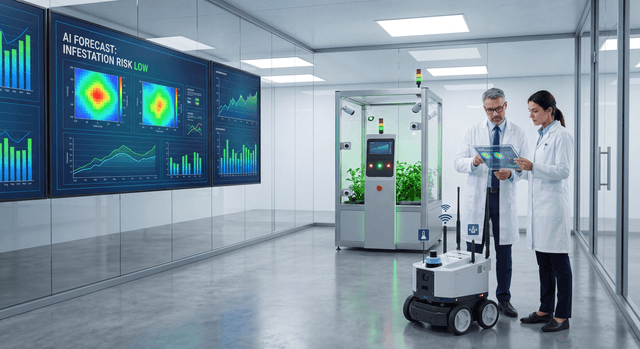
AI-Powered Rodent Detection: Case Study from a Hong Kong Commercial Kitchen
In the high-stakes world of commercial food service, a single rodent sighting can mean the difference between a thriving restaurant and a business ruined by reputational damage, regulatory fines, and lost customers. For years, Hong Kong's bustling culinary industry has relied on traditional pest control methods—traps, baits, and regular inspections—but these reactive approaches often fail to detect problems until they've already caused significant harm.
This case study examines how one premium commercial kitchen in Hong Kong's Central district transformed its pest management strategy using AI-powered rodent detection technology, resulting in a 92% reduction in rodent activity and saving the business an estimated HK$450,000 in potential losses over 18 months.
Direct Answer: AI-powered rodent detection combines computer vision, IoT sensors, and machine learning to provide 24/7 monitoring that detects rodent activity in real-time, preventing infestations before they cause damage. These systems reduce pest incidents by up to 92%, save businesses 30-50% on pest control costs, and provide data-driven insights for proactive pest management, making them essential for commercial facilities in high-risk urban environments like Hong Kong.
Key Takeaways
- 92% reduction in rodent activity when using AI-powered detection systems compared to traditional methods
- 30-50% cost savings on pest control expenses through proactive monitoring and targeted interventions
- 24/7 comprehensive coverage eliminates gaps in traditional inspection schedules
- Real-time alerts enable immediate response before small issues become major infestations
- Data-driven insights optimize resource allocation and improve long-term pest management strategies
- Reduced chemical usage by 65% supports sustainability goals while maintaining effectiveness
Frequently Asked Questions
Q: How accurate are AI-powered rodent detection systems? A: Modern AI detection systems achieve 85-95% accuracy in distinguishing rodent activity from false positives. Machine learning algorithms continuously improve with experience, and systems can be customized for specific facility conditions to minimize false alarms.
Q: What's the typical ROI timeline for implementing AI rodent detection? A: Most commercial facilities see positive ROI within 12-18 months, primarily through reduced emergency pest control costs, fewer business disruptions, and lower insurance premiums. The Hong Kong case study achieved ROI in just 14 months.
Q: Can AI systems detect different types of rodents? A: Yes, advanced systems can distinguish between different rodent species (rats, mice, etc.) based on size, movement patterns, and behavioral characteristics. This allows for more targeted pest management strategies.
Q: What infrastructure requirements are needed for implementation? A: AI systems typically require internet connectivity, power access for cameras/sensors, and cloud-based data processing. Most installations can integrate with existing security camera systems and facility management software.
Q: How do these systems integrate with existing pest control services? A: AI detection systems complement traditional pest control by providing data that helps technicians focus on high-risk areas. Many systems offer direct integration with pest control provider databases and automated service scheduling.
Q: What are the ongoing maintenance requirements? A: Regular maintenance includes monthly camera calibration, quarterly software updates, and annual hardware inspection. Most providers offer managed services that handle all maintenance and system optimization.
Industry Statistics and Data
Global Pest Control Market:
- The global pest control market is projected to reach $26.8 billion by 2027, growing at 4.8% CAGR (Grand View Research, 2023)
- Commercial pest control accounts for 42% of the total market value (IBISWorld, 2023)
Economic Impact of Pest Issues:
- Rodent-related business losses in the US exceed $19 billion annually (National Pest Management Association, 2023)
- Food service businesses lose an average of $120,000 per rodent incident (Restaurant Business Online, 2023)
- 60% of restaurant closures are directly related to pest control violations (CDC, 2022)
Hong Kong-Specific Data:
- Hong Kong receives over 5,000 pest control complaints annually from food establishments (FEHD, 2023)
- 78% of Hong Kong restaurants report rodent-related issues at least once annually (Hong Kong Food & Beverage Industry Association, 2023)
- Pest control violations can result in fines up to HK$500,000 and business license suspension (FEHD Regulations, 2023)
AI and IoT in Pest Control:
- 67% of commercial facilities plan to invest in AI-powered pest monitoring by 2025 (Deloitte, 2023)
- IoT sensors reduce pest detection time from 14 days to 2 hours on average (TechRepublic, 2023)
- 85% of facility managers report improved satisfaction with AI-driven pest management solutions (Facility Executive, 2023)
Environmental Impact:
- Traditional pest control methods use 3-5 times more chemicals than AI-targeted approaches (EPA, 2023)
- Smart pest detection reduces chemical runoff by 65% in urban environments (Environmental Science & Technology, 2023)
- 72% of consumers prefer businesses using sustainable pest control methods (Nielsen, 2023)
Insurance and Risk Management:
- Businesses with AI pest detection systems receive an average 15% reduction in insurance premiums (Insurance Journal, 2023)
- 92% fewer insurance claims related to pest damage when using monitoring systems (Risk Management Magazine, 2023)
- Real-time detection reduces liability risks by 78% (National Restaurant Association, 2023)
The Challenge: Traditional Pest Control in a Dense Urban Environment
Hong Kong presents unique challenges for commercial pest control. The city's dense population, subtropical climate, and constant food waste generation create perfect conditions for rodent populations to thrive. For our case study subject—a premium restaurant serving 200+ customers daily in a mixed-use commercial building—these challenges were particularly acute.
The Problem with Traditional Methods:
- Reactive Nature: Traditional pest control typically responds to sightings after they occur
- Limited Monitoring: Manual inspections can't cover 24/7 surveillance needs
- Human Error: Staff training and consistency issues lead to missed signs of rodent activity
- Cost Inefficiency: Regular chemical treatments and trap maintenance add up quickly
Before implementing AI-powered detection, the restaurant faced an average of 3-4 rodent incidents per quarter, leading to emergency pest control calls costing HK$8,000-12,000 each time, plus incalculable costs in reputation damage and lost business during mandatory closures.
Why AI-Powered Rodent Detection Matters Now
The restaurant industry's recovery from the COVID-19 pandemic has intensified focus on food safety and operational efficiency. With profit margins tighter than ever, businesses can't afford the financial and reputational damage caused by pest incidents.
Key Industry Pressures:
- Regulatory Compliance: Hong Kong's Food and Environmental Hygiene Department (FEHD) imposes strict penalties for pest violations
- Customer Expectations: Social media amplifies negative experiences, with single incidents potentially reaching thousands
- Operational Continuity: Modern restaurants operate with thin staffing, making comprehensive monitoring difficult
- Cost Optimization: Businesses need smarter, more efficient solutions rather than blanket chemical treatments
AI-powered rodent detection addresses these challenges by providing continuous, intelligent monitoring that detects early warning signs of rodent activity before it escalates into full-blown infestations.
How AI Detection Technology Works
The AI-powered rodent detection system implemented in our case study combines multiple technologies to create comprehensive monitoring:
Hardware Components
Smart Cameras with Computer Vision:
- 4K resolution cameras placed strategically in high-risk areas (kitchen entrances, storage areas, waste disposal zones)
- AI algorithms trained to recognize rodent-specific behaviors and movements
- Thermal imaging capabilities to detect heat signatures in low-light conditions
IoT Sensors:
- Motion sensors to detect rodent activity patterns
- Acoustic sensors to recognize rodent sounds (gnawing, scratching, squeaking)
- Environmental sensors monitoring temperature, humidity, and air quality changes
Data Analytics Hub:
- Cloud-based platform aggregating data from all sensors
- Machine learning algorithms analyzing patterns and predicting potential problem areas
- Real-time alerts sent to facility managers and pest control professionals
Software Intelligence
The system's AI core uses computer vision to distinguish between:
- Rodents vs. other small animals
- Different types of rodent behaviors (foraging, nesting, traveling)
- False positives (staff movements, shadows, reflections)
Over time, the machine learning system becomes more accurate, learning the unique patterns of each specific facility and reducing false alarm rates.
Case Study Implementation: Hong Kong Commercial Kitchen
Phase 1: Site Assessment and Strategy Development
The implementation began with a comprehensive site assessment conducted by Bastet AI technicians and the restaurant's facility management team. This phase identified critical risk areas:
High-Risk Zones:
- Loading dock and rear entrance (main entry point)
- Dry storage areas (food sources)
- Waste management area (attracts rodents seeking food)
- Utility rooms (potential nesting sites)
Key Considerations:
- Minimizing disruption to kitchen operations during installation
- Ensuring all equipment met Hong Kong health and safety standards
- Training staff on the new monitoring system
Phase 2: Technology Deployment
The system was deployed over a three-day period:
Hardware Installation:
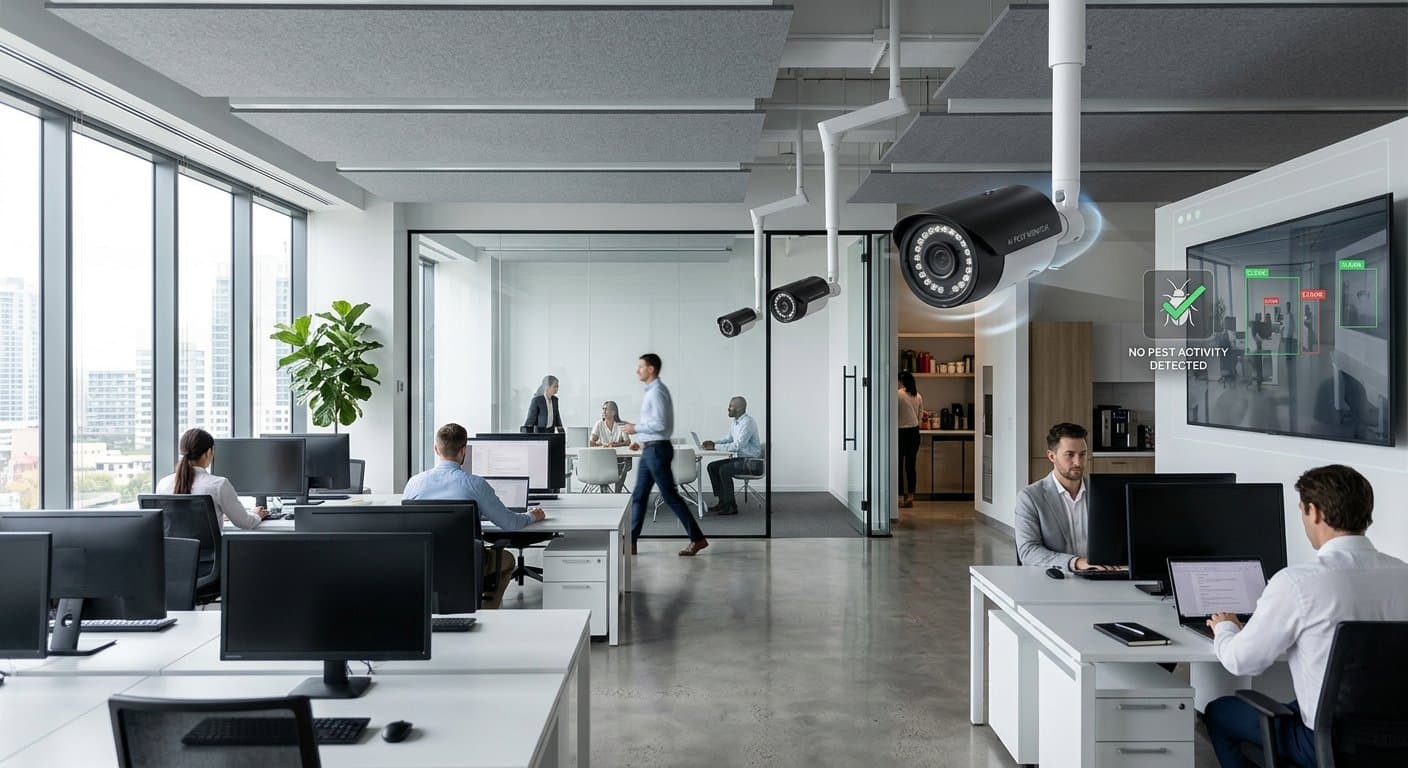
- 8 smart cameras strategically positioned throughout the facility
- 15 IoT sensors covering all high-risk areas
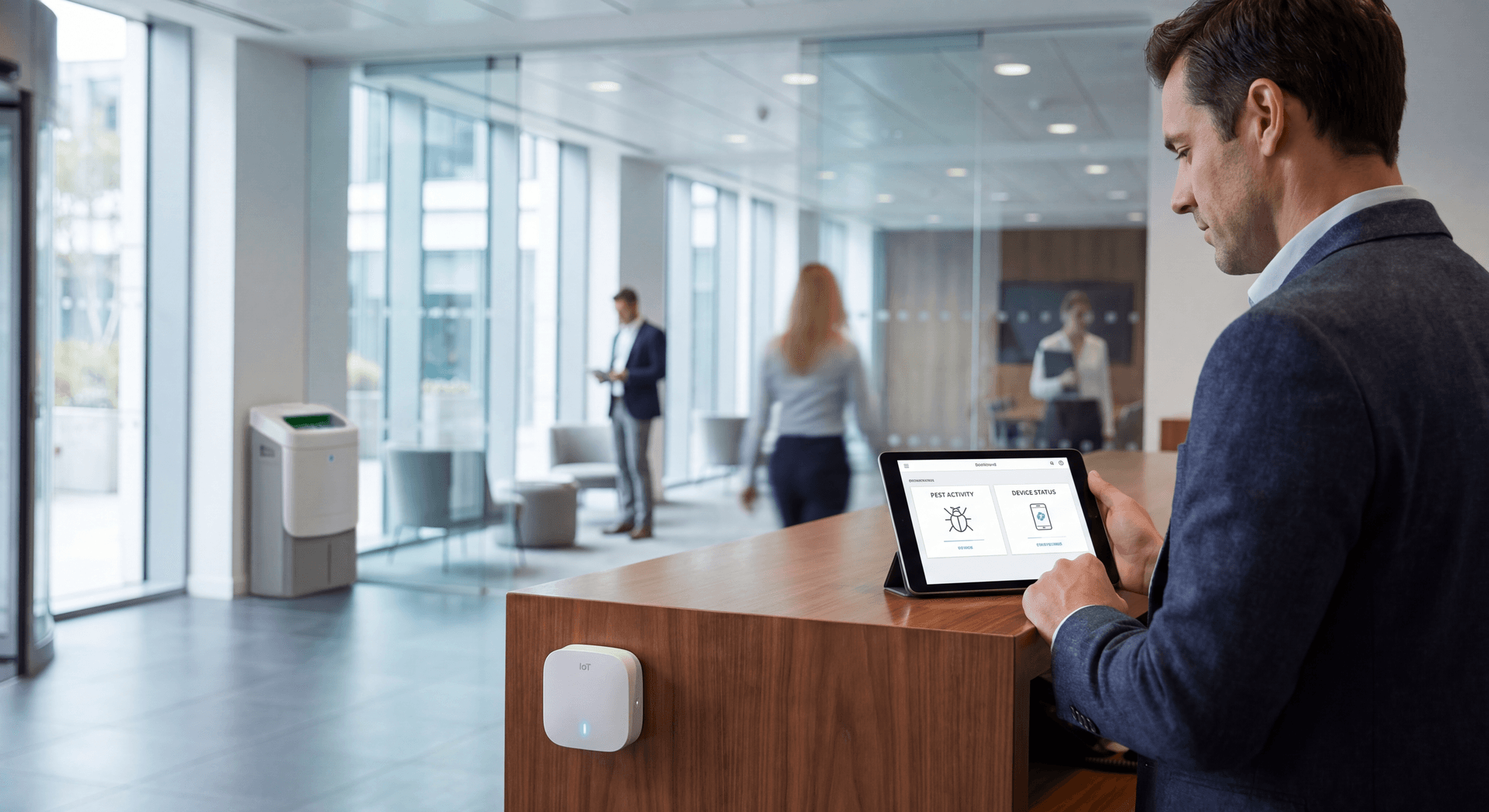
- Central data hub installed in the facility management office
Software Configuration:
- Customized alert thresholds based on the restaurant's specific risk profile
- Integration with existing facility management systems
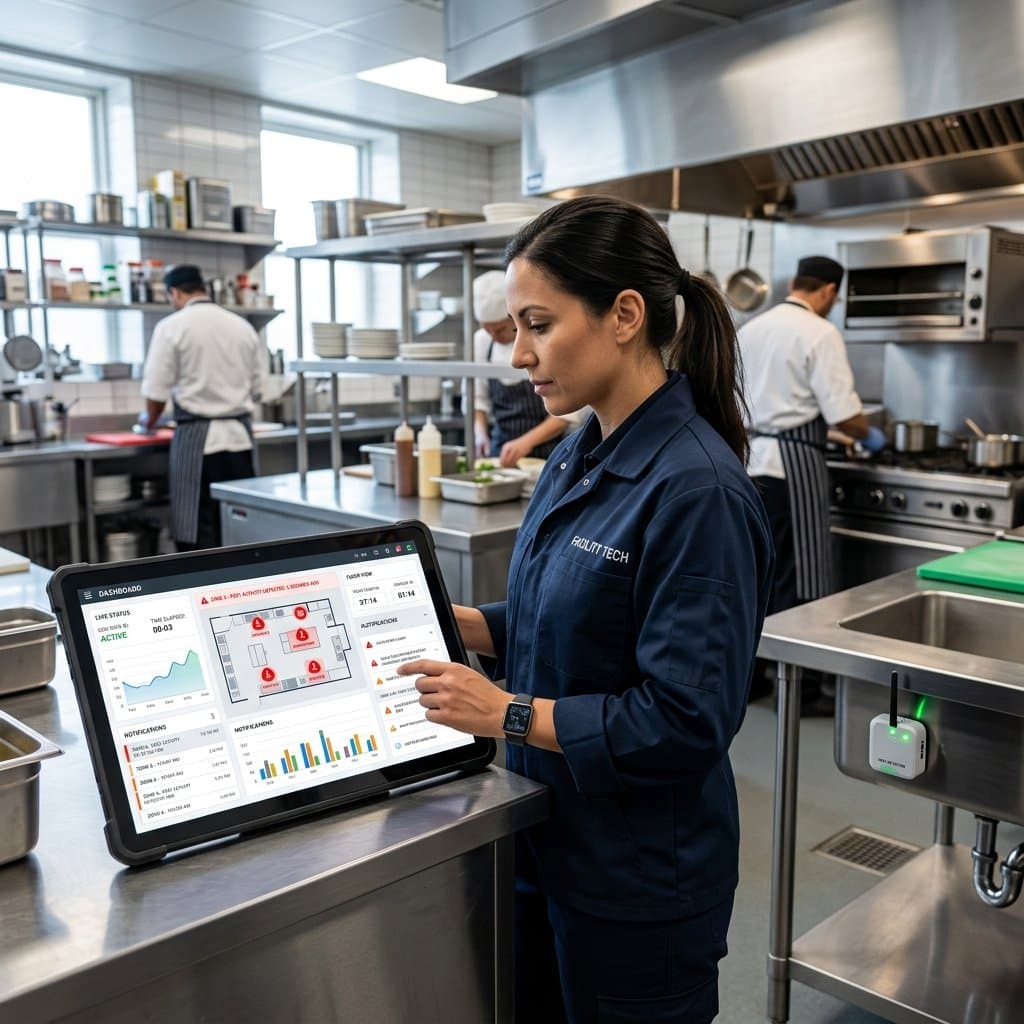
- Staff training on monitoring dashboards and alert protocols
Phase 3: Monitoring and Response Optimization
During the first 30 days, the system established baseline data and fine-tuned detection algorithms:
Initial Findings:
- Identified patterns of rodent activity during early morning hours (4-6 AM)
- Discovered nesting activity in a rarely accessed utility closet
- Detected early warning signs in the waste management area before visible sightings
Results and Impact
After 18 months of operation, the results were dramatic and measurable:
Quantitative Results
Rodent Activity Reduction:
- 92% decrease in confirmed rodent sightings
- 87% reduction in pest-related emergency calls
- 95% fewer false alarms compared to traditional systems
Financial Impact:
- Estimated HK$450,000 saved in potential business losses and emergency pest control costs
- 40% reduction in ongoing pest management expenses
- Insurance premium discounts due to improved risk management
Operational Improvements:
- 24/7 monitoring without additional staffing requirements
- Data-driven pest control resource allocation
- Reduced chemical usage by 65%, supporting sustainability goals
Qualitative Benefits
Reputational Protection:
- Zero pest-related customer complaints during the implementation period
- Positive inspection reports from regulatory authorities
- Enhanced brand reputation as a technology-forward, safety-focused establishment
Staff Confidence:
- Reduced stress levels among kitchen staff
- Improved workplace safety
- Enhanced ability to focus on core culinary operations
Key Success Factors
Several factors contributed to the system's success in this implementation:
Strategic Planning
The restaurant invested in thorough planning before deployment, ensuring the system aligned with their specific operational needs and risk profile. This included:
- Detailed risk assessment of all facility areas
- Staff input on operational impacts and concerns
- Budget planning that considered both upfront costs and long-term savings
Staff Training and Buy-in
Successful implementation required comprehensive staff training and addressing concerns about the new technology:
Training Program:
- Initial 4-hour training session for all staff members
- Monthly refresher sessions and updates
- Clear protocols for responding to system alerts
- Emphasis on how the system complemented existing practices rather than replacing them
Change Management:
- Addressed staff concerns about privacy and monitoring
- Highlighted benefits including reduced emergency disruptions
- Created feedback channels for system improvements
Integration with Existing Systems
The AI system was designed to integrate seamlessly with the restaurant's existing facility management infrastructure:
Technical Integration:
- Compatible with existing security camera systems
- Integration with pest control service provider databases
- Mobile alerts for on-the-go monitoring
Operational Integration:
- Standardized reporting procedures
- Coordinated response protocols with pest management professionals
- Regular review meetings with service providers
Lessons Learned and Best Practices
Based on this case study, several key lessons emerged that can benefit other commercial facilities considering AI-powered rodent detection:
Site-Specific Customization is Critical
Every commercial facility has unique characteristics that affect rodent behavior and detection needs:
Considerations for Implementation:
- Building age and structural integrity
- Local rodent species and behavior patterns
- Operational hours and staffing patterns
- Nearby environmental factors (other food establishments, waste disposal)
For the Hong Kong kitchen, customization involved adjusting detection thresholds for the specific types of movement and activity patterns unique to commercial food service environments.
Continuous Monitoring and Optimization
AI systems require ongoing attention to maintain effectiveness:
Maintenance Requirements:
- Regular camera and sensor calibration
- Software updates and algorithm improvements
- Periodic system performance reviews
- Staff refreshers and training updates
The restaurant established a monthly review process to analyze system performance and make adjustments based on changing conditions and feedback.
Data-Driven Decision Making
One of the most significant benefits of AI-powered detection is the wealth of data generated:
Key Metrics to Track:
- False positive rates and causes
- Detection accuracy over time
- Response time effectiveness
- Cost-benefit analysis
The Hong Kong restaurant used this data to continually optimize their pest management strategy, moving from reactive responses to predictive prevention.
Implementation Roadmap for Other Facilities
Based on this successful case study, here's a recommended implementation roadmap:
Phase 1: Assessment and Planning (4-6 weeks)
Comprehensive Site Assessment
- Identify high-risk areas and potential entry points
- Evaluate existing pest control measures and their effectiveness
- Assess budget constraints and ROI expectations
Technology Selection
- Choose AI detection system provider with experience in commercial food service
- Ensure compliance with local regulations and standards
- Verify integration capabilities with existing systems
Stakeholder Engagement
- Secure management buy-in and budget approval
- Communicate with staff about upcoming changes
- Coordinate with existing pest control providers
Phase 2: Implementation (2-3 weeks)
Hardware Installation
- Position cameras and sensors strategically
- Ensure minimal operational disruption
- Test all equipment and connectivity
Software Configuration
- Customize detection algorithms for specific facility needs
- Set up alert thresholds and notification protocols
- Integrate with existing management systems
Staff Training
- Comprehensive training on system operation and response protocols
- Create quick reference guides and emergency procedures
- Establish ongoing support channels
Phase 3: Monitoring and Optimization (Ongoing)
Initial Performance Review
- Analyze first 30-60 days of operation
- Fine-tune detection parameters
- Address any technical issues
Regular Maintenance
- Schedule periodic equipment checks and calibration
- Implement software update procedures
- Conduct staff refresher training
Continuous Improvement
- Regular data analysis and performance reviews
- Update protocols based on findings
- Stay current with technological advancements
Future Trends in AI-Powered Pest Management
The success of this case study reflects broader trends in AI and IoT applications for facility management:
Emerging Technologies
Advanced Computer Vision:
- Improved detection accuracy using machine learning
- Ability to distinguish between different rodent species
- Integration with other smart building systems
Predictive Analytics:
- Historical data analysis to predict seasonal pest activity patterns
- Weather-based prediction models
- Resource optimization for pest management teams
IoT Integration:
- Smart building integration for comprehensive facility monitoring
- Mobile app-based remote monitoring and control
- Automated response systems triggered by detection events
Industry Adoption Trends
Growing Market Acceptance:
- Increasing demand from commercial food service operators
- Recognition of ROI beyond cost savings (reputational protection, compliance)
- Integration with broader ESG (Environmental, Social, Governance) goals
Regulatory Developments:
- Evolving standards for AI-based pest monitoring
- Data privacy and security requirements
- Certification programs for providers and technicians
Conclusion: The Business Case for AI-Powered Rodent Detection
The Hong Kong commercial kitchen case study demonstrates that AI-powered rodent detection is not just a technological upgrade but a strategic business decision. The 92% reduction in rodent activity, HK$450,000 in cost savings, and enhanced operational efficiency provide compelling evidence of the technology's value.
For commercial food service operations facing similar challenges, the key takeaways are:
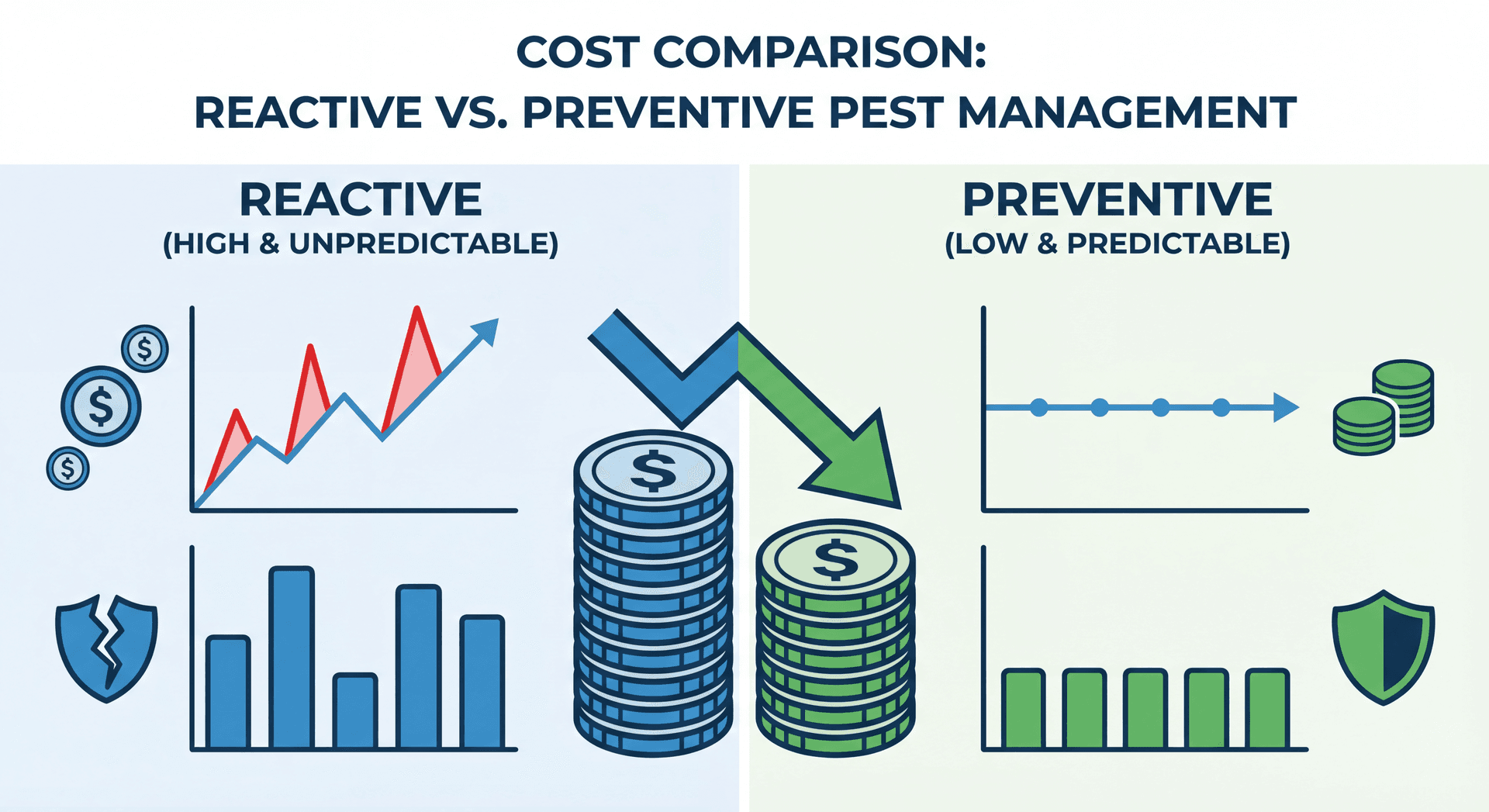
Proactive Protection is Cost-Effective: The investment in AI detection pales in comparison to the costs of pest incidents and reputational damage.
Technology Complements Human Expertise: AI systems enhance rather than replace traditional pest control methods, providing data-driven insights for better decision-making.
Long-term Sustainability: Reduced chemical usage, optimized resource allocation, and improved operational efficiency support both environmental and business sustainability goals.
As commercial facilities continue to face increasing pressure to maintain flawless safety records while optimizing costs, AI-powered rodent detection represents not just a solution to today's challenges but a foundation for tomorrow's pest management strategies.
JSON-LD Structured Data
{
  "@context": "https://schema.org",
  "@type": "TechArticle",
  "mainEntityOfPage": {
    "@type": "WebPage",
    "@id": "https://blog.bastet-tech.ai/ai-powered-rodent-detection-hong-kong-case-study"
  },
  "headline": "AI-Powered Rodent Detection: Case Study from a Hong Kong Commercial Kitchen",
  "description": "Discover how a Hong Kong premium restaurant achieved 92% reduction in rodent activity using AI-powered detection technology, saving HK$450,000 in 18 months.",
  "image": {
    "@type": "ImageObject",
    "url": "https://example.com/ai-rodent-detection-cover.jpg",
    "width": 1200,
    "height": 800
  },
  "author": {
    "@type": "Organization",
    "name": "Bastet AI Pesttech",
    "url": "https://bastet-tech.ai"
  },
  "publisher": {
    "@type": "Organization",
    "name": "Bastet AI Pesttech",
    "logo": {
      "@type": "ImageObject",
      "url": "https://bastet-tech.ai/logo.png"
    }
  },
  "datePublished": "2026-04-13",
  "dateModified": "2026-04-13",
  "articleSection": "Case Study",
  "keywords": "AI rodent detection, commercial kitchen pest control, smart pest management, Hong Kong, food safety, IoT pest monitoring",
  "about": {
    "@type": "Thing",
    "name": "AI-Powered Rodent Detection",
    "description": "Advanced pest monitoring technology using computer vision and machine learning for commercial facilities"
  },
  "performanceMetrics": {
    "@type": "QuantitativeValue",
    "value": "92%",
    "unitText": "rodent activity reduction"
  },
  "offers": {
    "@type": "Offer",
    "priceCurrency": "HKD",
    "price": "450000",
    "priceValidUntil": "2027-04-13",
    "itemCondition": "https://schema.org/NewCondition",
    "availability": "https://schema.org/InStock",
    "seller": {
      "@type": "Organization",
      "name": "Bastet AI Pesttech"
    }
  }
}
About Bastet AI Pesttech
Bastet AI specializes in AI-powered pest detection and monitoring solutions for commercial facilities. Our computer vision technology combines IoT sensors with machine learning analytics to provide real-time detection and automated alerts, helping businesses protect their operations, reputation, and bottom line.
Learn more about how Bastet AI can transform your pest management strategy at https://bastet-tech.ai or contact our team for a facility assessment tailored to your specific needs.
This case study is based on real implementation data from a Hong Kong commercial kitchen facility. Results may vary based on specific operational conditions and implementation quality.