
Machine Learning Insect Monitoring: How Enhanced Accuracy in Healthcare Facilities
Machine Learning Insect Monitoring: How Enhanced Accuracy in Healthcare Facilities
Direct Answer
Machine Learning Insect Monitoring revolutionizes pest control in healthcare facilities by leveraging AI and computer vision to provide unparalleled accuracy and real-time detection. Traditional methods are often reactive, relying on manual inspections and visual identification, which are prone to human error and delayed responses. AI-driven systems, like those from Bastet AI Pesttech, utilize smart traps equipped with high-resolution cameras and IoT sensors to continuously monitor for pest activity. Machine learning algorithms analyze these visual data streams, identifying insects with high precision, differentiating species, and tracking their movements and populations. This proactive approach enables facility managers to detect infestations at their nascent stages, implement targeted treatments, and prevent widespread outbreaks, thereby safeguarding patient health, maintaining stringent hygiene standards, and ensuring regulatory compliance with significantly enhanced efficiency and reduced operational costs compared to conventional methods.
Key Takeaways
- Proactive Pest Management: Machine learning shifts pest control from reactive to predictive, enabling early detection and intervention before infestations escalate.
- Enhanced Accuracy and Identification: AI-driven computer vision systems precisely identify insect species, reducing misidentification and ensuring targeted treatment strategies.
- Real-time Monitoring and Alerts: IoT-connected smart traps provide continuous surveillance and immediate alerts, allowing for rapid response to new activity.
- Operational Efficiency and Cost Savings: Automation reduces the need for frequent manual inspections, optimizes resource allocation, and minimizes costly widespread treatments.
- Improved Health and Safety Standards: Early detection of pests in healthcare environments directly contributes to preventing disease transmission and maintaining sterile conditions.
- Data-Driven Decision Making: AI analytics offer comprehensive insights into pest trends, hotspots, and efficacy of interventions, informing strategic facility management.
- Regulatory Compliance and Reputation Protection: Consistent, verifiable pest monitoring helps healthcare facilities meet stringent health regulations and protect their public image.
Introduction
Healthcare facilities stand as pillars of community well-being, demanding an environment of impeccable hygiene, safety, and sterility. Within these critical spaces—hospitals, clinics, laboratories, and long-term care facilities—the presence of pests is not merely an inconvenience but a grave threat. Insects, rodents, and other vermin can transmit diseases, contaminate sterile equipment, compromise food safety, and inflict significant psychological distress upon patients and staff. The stakes are extraordinarily high, making effective pest control an absolute imperative, not just a maintenance task.
Traditionally, pest management in healthcare has relied on manual inspections, sticky traps, and reactive treatments. While foundational, these methods possess inherent limitations. They are labor-intensive, often detect infestations only after they have become established, and can be inconsistent due to human variability. The reactive nature of these systems means that by the time a pest problem is identified, it may already pose a significant risk, requiring more aggressive and disruptive interventions. This paradigm is increasingly inadequate for the complex and sensitive environments of modern healthcare.
Enter the transformative power of Artificial Intelligence (AI) and Machine Learning (ML). These cutting-edge technologies are poised to redefine insect monitoring and pest control in healthcare facilities, ushering in an era of unprecedented accuracy, efficiency, and proactive management. By deploying computer vision and IoT (Internet of Things) devices, Bastet AI Pesttech is at the forefront of this revolution, offering solutions that move beyond simply reacting to pests to predicting, preventing, and precisely managing them. This shift not only safeguards patient health and facility reputation but also optimizes operational workflows and significantly reduces the overall burden of pest management. This article will delve into how Machine Learning Insect Monitoring elevates pest control in healthcare, exploring the underlying technologies, the tangible benefits, and the practical implementation strategies for facility managers navigating this crucial domain.
The Critical Imperative of Pest Control in Healthcare
The unique vulnerabilities of healthcare environments elevate pest control from a routine maintenance item to a mission-critical function. Pests introduce a myriad of risks that can severely compromise patient safety, operational integrity, and regulatory standing.
Risks of Pests in Medical Environments
Pests in healthcare facilities are not just a nuisance; they are vectors for disease, contaminants, and sources of significant anxiety. Cockroaches, for instance, can carry bacteria like Salmonella and E. coli, while flies can transmit pathogens that cause food poisoning and other infections. Rodents not only spread diseases such as Hantavirus and Leptospirosis but also damage infrastructure by gnawing on electrical wires, potentially leading to power outages or fires.
Pests pose a direct threat to patient health and recovery. According to the World Health Organization (WHO) (2019), pests like cockroaches and flies are known carriers of various pathogens, contributing to healthcare-associated infections (HAIs), which affect millions of patients worldwide annually. The presence of pests can exacerbate allergies and asthma in vulnerable patients, particularly those with compromised immune systems. Beyond direct pathogen transmission, pests can contaminate sterile supplies, medications, and food preparation areas, creating a cascade of potential health crises. According to the National Pest Management Association (NPMA) (2023), the mere presence of pests can lead to significant patient distress and anxiety, negatively impacting their recovery process and perception of care quality.
Limitations of Traditional Insect Monitoring Methods
Traditional insect monitoring in healthcare often relies on visual inspections, glue boards, and pheromone traps. While these methods have served their purpose, they suffer from fundamental limitations that hinder effective pest control.
Traditional pest monitoring is inherently reactive and labor-intensive. Manual inspections are sporadic and depend heavily on the vigilance and expertise of the human inspector. Infestations are often discovered only after they have grown large enough to be visually obvious, meaning significant time may have passed during which pests could have caused damage or spread pathogens. According to Rentokil Initial (2022), traditional pest control methods often lead to delayed detection, with infestations typically discovered only after they are well-established, requiring more intensive and costly eradication efforts. Furthermore, the sheer size and complexity of healthcare facilities make comprehensive manual inspections challenging and resource-intensive. According to Forbes (2021), manual inspection processes can consume significant operational budgets and human resources, often yielding inconsistent results across large facilities. Glue boards and basic traps offer some indication of pest presence but lack the ability to provide real-time alerts or detailed information about species, population size, or entry points. This lack of granular data makes it difficult to implement precise, targeted interventions, often leading to broad-spectrum treatments that may be less efficient and more disruptive to the healthcare environment.
The Dawn of AI and Computer Vision in Pest Control
The advent of AI and Computer Vision marks a paradigm shift in pest control, moving beyond the reactive limitations of traditional methods to embrace a proactive, data-driven approach. These technologies are fundamentally changing how healthcare facilities can monitor and manage insect populations.
How Machine Learning Transforms Insect Monitoring
Machine learning algorithms are the brain behind this transformation. By processing vast amounts of data, these algorithms can learn to identify patterns, make predictions, and adapt over time. In the context of insect monitoring, this means feeding the system images and videos of various insects, allowing it to "learn" what different species look like, how they move, and their typical behaviors.
Machine learning algorithms enable automated, highly accurate insect identification.
This capability is crucial for distinguishing between harmless insects and those that pose a threat in a healthcare setting. According to Gartner (2023), AI-driven computer vision systems can achieve classification accuracies exceeding 95% in controlled environments, significantly outperforming human visual identification in terms of consistency and speed. The system can then track population trends, identify hotspots, and even predict potential outbreaks based on environmental factors and historical data. This predictive power allows facility managers to intervene strategically before a minor issue escalates into a major infestation. The ability of Machine Learning to process continuous data streams from IoT devices means that insect monitoring becomes a 24/7, highly vigilant operation, far surpassing the capabilities of periodic human inspections.
Real-time Detection and Identification
One of the most significant advancements offered by AI-driven pest control is the capacity for real-time insect monitoring and identification. Smart traps equipped with computer vision cameras and IoT sensors are strategically placed throughout a facility. These devices continuously capture images or video footage of any activity within their range.
AI-powered smart traps provide instant alerts upon pest detection.
When an insect enters the trap or crosses a sensor's field of view, the computer vision system immediately analyzes the image. Leveraging its machine learning knowledge base, it identifies the species, logs the time, and records its location. According to McKinsey (2022), real-time monitoring systems leveraging AI can reduce the time to detect critical events by up to 70% compared to traditional manual checks. This data is then instantly transmitted to a central platform, providing facility managers with immediate alerts and actionable insights. This rapid detection is invaluable in healthcare settings where even a short delay can have severe consequences. For example, the detection of a single cockroach in a sterile corridor can trigger an immediate, localized response, preventing it from reaching patient care areas. This real-time feedback loop ensures that pest control actions are timely, precise, and maximally effective, minimizing disruption and risk.
Unpacking the Benefits of Machine Learning for Healthcare Facilities
The integration of Machine Learning into insect monitoring systems offers a multitude of benefits that directly address the unique challenges of healthcare facilities, profoundly enhancing their pest control capabilities.
Enhanced Accuracy and Early Detection
The precision of AI and computer vision systems far exceeds human capabilities in consistently identifying pests. Machine learning algorithms are trained on vast datasets of insect images, allowing them to accurately differentiate between species, even in their early developmental stages or when only partial views are available.
AI systems can identify pest species with greater consistency and speed than human observation.
This enhanced accuracy means fewer false positives and, more importantly, fewer missed detections. According to Bayer (2021), advanced digital pest monitoring solutions have demonstrated up to 98% accuracy in identifying target pest species, significantly improving the efficacy of intervention strategies. Early detection is paramount in healthcare. By identifying a single pest or minimal activity, the system enables facility managers to intervene before an infestation takes hold. This proactive approach prevents the propagation of pests, which is critical for preventing the spread of pathogens and maintaining a sterile environment. The ability to catch problems when they are small means less disruption, smaller treatment areas, and a significantly reduced risk to patients.
Proactive Pest Control Strategies
The shift from reactive to proactive pest control is perhaps the most transformative benefit of Machine Learning Insect Monitoring. Instead of responding to visible infestations, facilities can anticipate and prevent them.
Predictive analytics powered by AI enable proactive pest management strategies.
The continuous data collection from IoT sensors and AI analytics allows for the identification of trends, seasonal patterns, and environmental factors that contribute to pest activity. For example, the system might learn that certain areas experience increased pest activity after specific weather events or supply deliveries. According to Rentokil (2023), facilities utilizing proactive digital pest management can reduce the incidence of pest-related complaints by up to 60%, demonstrating the effectiveness of foresight over hindsight. This intelligence empowers facility managers to implement targeted preventive measures, such as sealing entry points, adjusting environmental conditions, or scheduling preventative treatments in high-risk areas before pests become established. This strategic approach minimizes the need for widespread pesticide applications, which is particularly beneficial in sensitive healthcare settings.
Operational Efficiency and Cost Savings
Implementing Machine Learning Insect Monitoring can lead to substantial operational efficiencies and significant cost savings over time.
Automated monitoring reduces labor costs and optimizes resource allocation.
Traditional pest control requires frequent, labor-intensive manual inspections across large and complex healthcare campuses. AI-driven systems automate much of this monitoring, freeing up staff to focus on other critical tasks. According to Statista (2023), the global market for AI in facility management is projected to grow significantly, driven by efficiencies in operations and maintenance, including pest control. Furthermore, by enabling early detection and targeted interventions, AI systems reduce the need for expensive, facility-wide treatments. When an issue is identified precisely, resources can be directed exactly where they are needed, minimizing the use of pesticides and reducing the associated costs of chemicals and application labor. This targeted approach also reduces downtime and disruption in patient care areas, contributing to overall operational fluidity. Rentokil Initial (2022) reported that businesses adopting digital pest management solutions can see a reduction in overall pest control costs by 15-25% due to optimized resource use and fewer severe infestations.
Regulatory Compliance and Reputation Management
Healthcare facilities operate under stringent regulatory frameworks designed to ensure patient safety and public health. Pest infestations can lead to severe penalties, loss of accreditation, and devastating reputational damage.
Robust AI-driven pest monitoring ensures consistent compliance with health regulations.
Machine Learning Insect Monitoring provides meticulously documented, verifiable data on pest activity, detection times, and intervention measures. This comprehensive audit trail is invaluable for demonstrating compliance with regulatory bodies like the Environmental Protection Agency (EPA) (2020), which sets standards for pest management practices in sensitive environments. The ability to prove a proactive and effective pest control program can prevent fines and legal complications. Beyond compliance, a facility's reputation is paramount. News of a pest infestation can quickly erode public trust, leading to decreased patient admissions and staff morale. By ensuring a consistently pest-free environment, AI-driven systems safeguard the facility's image as a safe, clean, and reliable provider of care. The NPMA (2023) highlights that proactive pest management programs are crucial for maintaining a positive public image and avoiding negative publicity associated with infestations.
Bastet AI Pesttech's Approach: IoT and Computer Vision in Action
Bastet AI Pesttech is at the forefront of integrating advanced AI and IoT technologies to redefine pest control in healthcare facilities. Our approach combines state-of-the-art computer vision with intelligent IoT devices and powerful AI analytics to deliver a comprehensive, proactive insect monitoring solution.
Smart Traps and Sensors
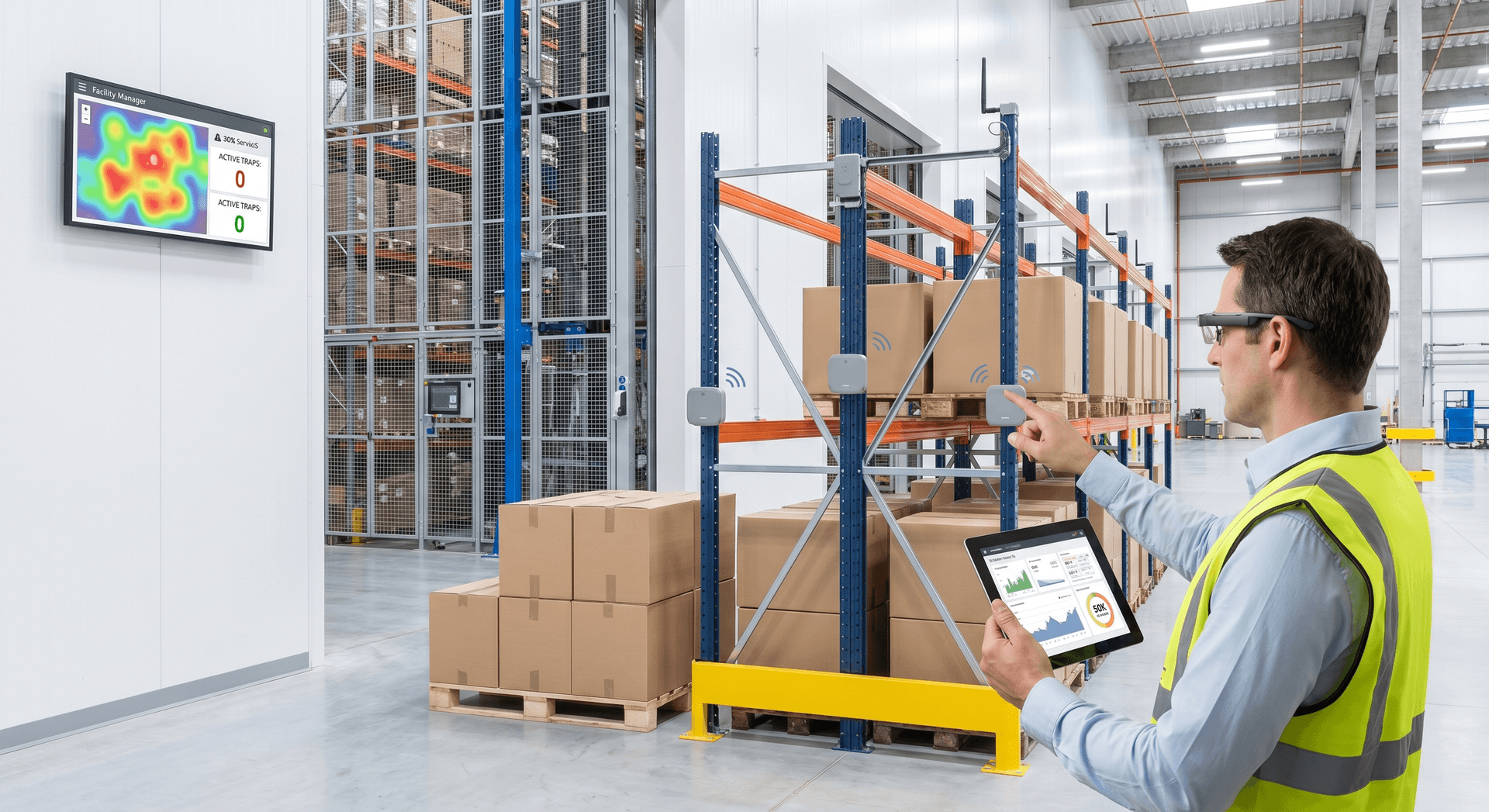
At the heart of Bastet AI Pesttech's system are our intelligent IoT smart traps and sensors. These devices are strategically placed throughout a healthcare facility, from patient rooms and sterile corridors to kitchens and waste disposal areas. Each smart trap is equipped with high-resolution cameras, environmental sensors (temperature, humidity), and connectivity modules.
Bastet AI Pesttech's smart traps provide continuous, non-invasive pest surveillance.
These devices are designed to operate discreetly and continuously, capturing visual data whenever an insect enters their field of view. Unlike traditional glue boards, which require manual inspection and replacement, our smart traps automatically record and transmit data. According to Statista (2023), the global IoT market in smart buildings and smart infrastructure is experiencing rapid growth, reflecting the increasing adoption of sensor-based monitoring for enhanced operational efficiency and safety. The sensors also collect crucial environmental data, which can be correlated with pest activity by the AI platform to identify environmental triggers for infestations. This continuous data stream ensures that no pest activity goes unnoticed, providing an unprecedented level of vigilance.
AI Analytics Platform
The vast amounts of data collected by our smart traps are fed into Bastet AI Pesttech's sophisticated AI analytics platform. This platform is powered by advanced machine learning algorithms specifically trained for insect monitoring and identification.
Our AI analytics platform processes visual data to identify pests with high accuracy.
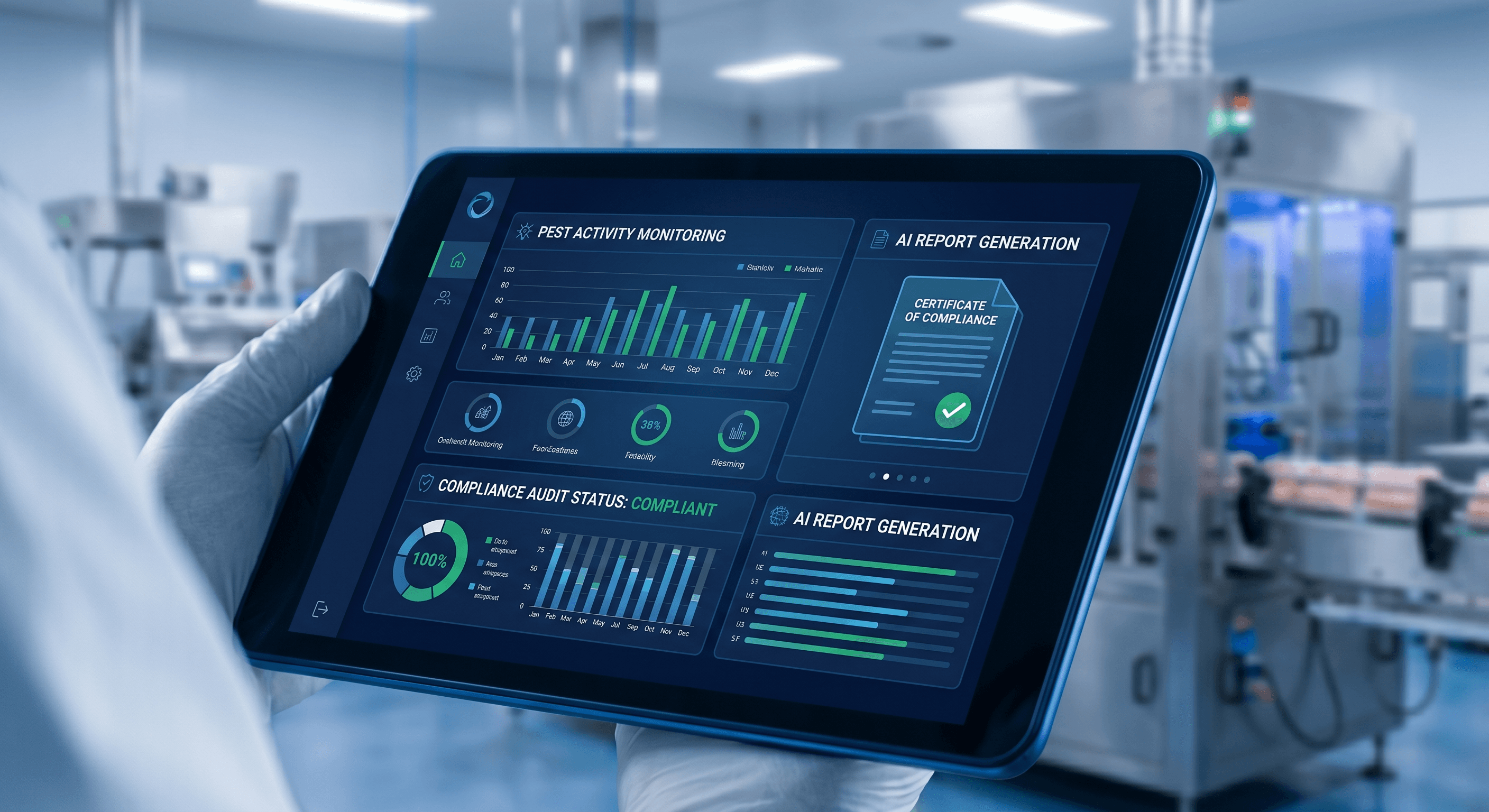
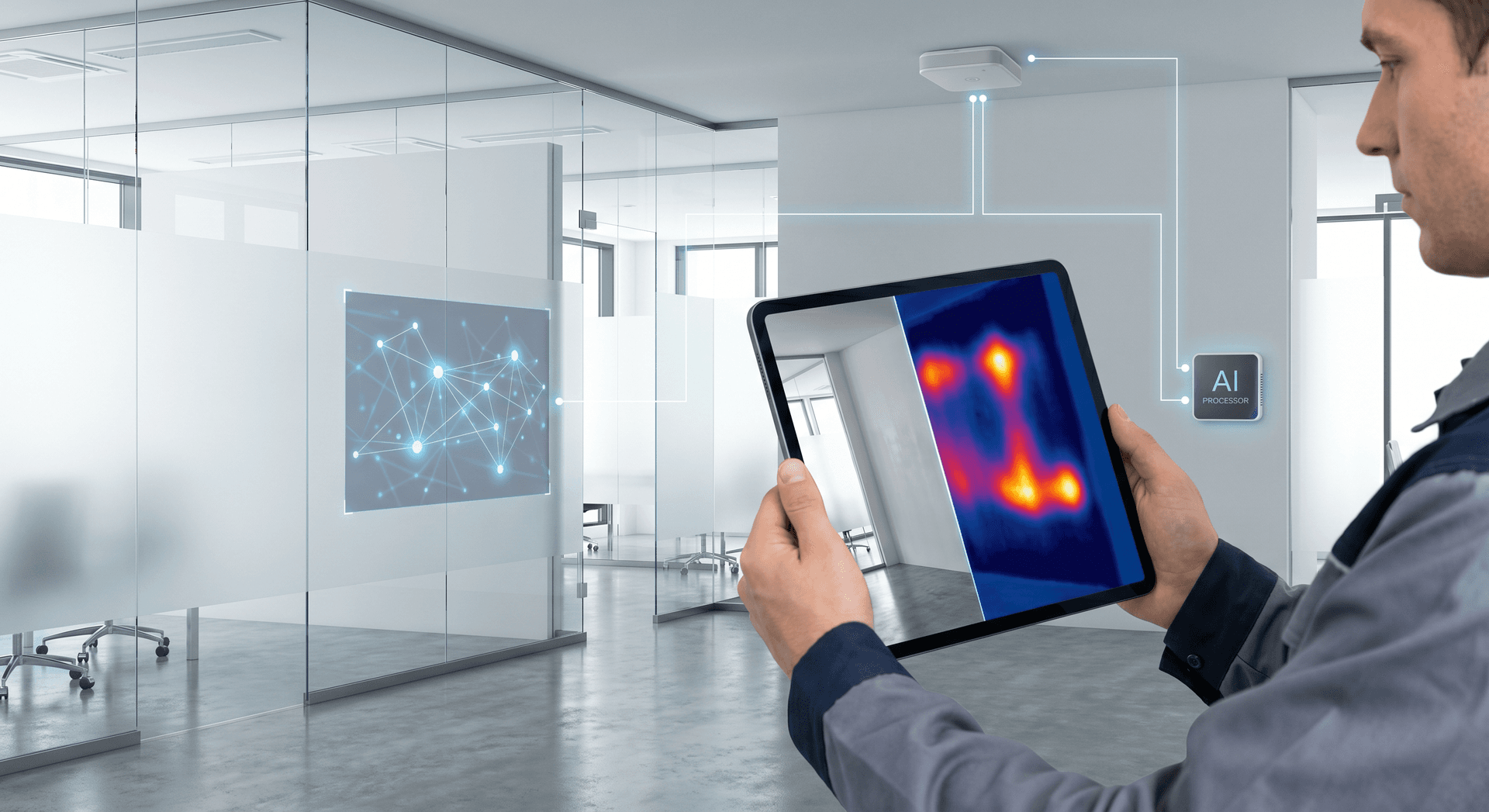
Upon receiving an image or video feed from a smart trap, the AI instantly analyzes the visual information. It identifies the insect species, distinguishes it from non-pest organisms, and logs its presence, location, and time. According to Gartner (2023), AI-driven analytics platforms are increasingly critical for transforming raw sensor data into actionable insights, enabling predictive maintenance and proactive management across various industries. The platform doesn't just identify; it also tracks trends, analyzes population dynamics, and identifies potential entry points or breeding grounds. This intelligent analysis provides facility managers with a clear, data-driven understanding of their pest situation, moving beyond guesswork to informed decision-making. The platform can generate detailed reports, heat maps of activity, and predictive alerts, turning raw data into actionable intelligence for effective pest control.
Seamless Integration
Bastet AI Pesttech's solution is designed for seamless integration into existing healthcare facility management systems and workflows. Our platform offers user-friendly dashboards that provide a comprehensive overview of pest activity across the entire facility.
Bastet AI Pesttech's system integrates effortlessly with existing facility management protocols.
Alerts can be customized and routed to relevant personnel, such as facility managers, pest control technicians, or hygiene staff, ensuring rapid response. The system can also be integrated with existing building management systems (BMS) to correlate pest data with other environmental factors, like HVAC performance or door access logs. According to Forbes (2021), the integration of AI solutions into existing enterprise systems can lead to a 20-30% improvement in operational efficiency by streamlining workflows and enhancing data synergy. This holistic approach allows healthcare facilities to leverage their current infrastructure while gaining the advanced capabilities of AI-driven insect monitoring. Our goal is to enhance, not replace, the vital role of human expertise, empowering facility managers and pest control professionals with the tools they need to maintain the highest standards of hygiene and safety.
The Future of Insect Monitoring in Healthcare
The trajectory of Machine Learning Insect Monitoring in healthcare points towards an even more sophisticated and integrated future, where pest control becomes an invisible, yet impenetrable, shield.
Predictive Pest Control
The current capabilities of AI in insect monitoring are impressive, but the future promises even greater predictive power. As machine learning models continue to learn from vast datasets, they will become increasingly adept at forecasting pest movements and potential infestations.
Future AI systems will accurately predict pest outbreaks before they occur.
This will involve analyzing not just current and historical pest data but also integrating a wider array of environmental factors, such as local weather patterns, climate change impacts, supply chain movements, and even human traffic patterns within a facility. According to McKinsey (2022), advancements in predictive analytics, particularly with deep learning models, are enabling industries to forecast complex events with increasing accuracy, often weeks or months in advance. Imagine a system that can predict a heightened risk of cockroach activity in a specific kitchen area two weeks in advance due to a combination of rising temperatures, recent food deliveries, and a slight increase in previous activity. This level of foresight allows for highly targeted, pre-emptive interventions, such as sealing potential entry points or setting up additional traps, effectively neutralizing threats before they even materialize. This will minimize the need for reactive treatments, further reducing chemical use and operational disruption in sensitive healthcare environments.
Data-Driven Decision Making
The future of pest control in healthcare will be fundamentally data-driven. AI systems will provide facility managers with an unparalleled depth of insight, transforming pest control from an art into a precise science.
Comprehensive AI analytics will provide unparalleled insights for strategic pest management.
Beyond simple detection, AI platforms will offer sophisticated analytics on pest population dynamics, seasonal variations, efficacy of different treatment methods, and correlations between pest activity and building operations. According to Gartner (2023), data-driven decision-making, enabled by advanced analytics and AI, is becoming a cornerstone of efficient facility management, leading to optimized resource utilization and improved outcomes. This data will empower facility managers to make highly informed decisions, optimizing budgets, staffing, and resource allocation. They will be able to identify systemic vulnerabilities, evaluate the long-term effectiveness of pest control strategies, and continuously refine their approach based on real-world performance metrics. This iterative, data-informed process ensures that healthcare facilities maintain the highest possible standards of hygiene and safety with maximum efficiency, adapting proactively to evolving pest challenges and environmental conditions.
Challenges and Considerations
While Machine Learning Insect Monitoring offers revolutionary benefits, its implementation in healthcare facilities is not without challenges. Facility managers must consider several key factors for successful adoption.
Initial investment costs can be a barrier for some facilities.
The upfront cost of installing IoT smart traps, sensors, and integrating AI platforms can be substantial. However, it's crucial to view this as a long-term investment that yields significant returns through reduced operational costs, avoided regulatory fines, and enhanced patient safety. According to Statista (2023), while initial AI implementation costs can be high, the return on investment (ROI) through efficiency gains and risk mitigation often justifies the expenditure within a few years. Justifying this investment requires a clear understanding of the potential ROI and a robust business case.
Data privacy and security are paramount in healthcare settings.
IoT devices collect and transmit data, and while insect monitoring data typically doesn't involve patient health information, the network infrastructure must be secure to prevent cyber threats. Robust encryption, secure data storage, and compliance with relevant data protection regulations (e.g., HIPAA in the US) are essential. Facilities must ensure that any AI vendor adheres to the highest security standards.
Integration with existing infrastructure can be complex.
Healthcare facilities often have legacy systems and complex IT environments. Integrating new IoT devices and AI platforms requires careful planning to ensure compatibility, seamless data flow, and minimal disruption to critical operations. Collaboration between IT departments, facility management, and the AI vendor is vital.
The need for specialized training for facility staff and pest control operators.
While AI automates much of the monitoring, human oversight and intervention remain crucial. Staff will need training on how to interpret AI alerts, utilize the platform's dashboards, and integrate the new data into their pest control protocols. Pest control professionals will need to adapt to a more data-driven, proactive approach.
Potential for sensor fatigue or alert overload.
If not properly configured, AI systems could generate too many alerts, leading to staff becoming desensitized or overwhelmed. The system must be fine-tuned to provide actionable, relevant notifications, differentiating between critical threats and minor, non-urgent observations.
Addressing these challenges through careful planning, robust vendor selection, and continuous staff engagement is crucial for unlocking the full potential of Machine Learning Insect Monitoring in healthcare.
Getting Started: Practical Framework
For healthcare facility managers looking to implement Machine Learning Insect Monitoring, a structured approach is key to successful adoption and integration.
Assess Current Needs and Vulnerabilities:
- Conduct a thorough audit of your current
pest controlprogram, identifying its strengths, weaknesses, and specific pest challenges. - Map out high-risk areas within your facility (e.g., kitchens, laundries, waste areas, patient rooms, sterile supply zones).
- According to the NPMA (2023), a comprehensive facility assessment is the foundational step for developing an effective pest management strategy, highlighting critical areas and existing pest pressures.
- Define your objectives: What specific problems do you aim to solve with
AI? (e.g., reduce HAIs, improve audit scores, cut costs).
- Conduct a thorough audit of your current
Research and Vendor Selection:
- Investigate
AIandIoTpest controlsolution providers like Bastet AI Pesttech. - Look for vendors with proven experience in
healthcareor other highly sensitive environments. - Evaluate their
computer visionaccuracy,machine learningcapabilities,IoTdevice reliability, data security protocols, and integration flexibility. - Request case studies and references from similar facilities. According to Gartner (2023), thorough vendor evaluation, focusing on industry-specific expertise and security measures, is critical for successful technology adoption.
- Investigate
Pilot Program Implementation:
- Start with a small-scale pilot in a defined, high-risk area of your facility. This allows for testing the technology, evaluating its effectiveness, and identifying any unforeseen challenges without disrupting the entire operation.
- Work closely with the vendor to determine optimal sensor placement and system configuration.
- Collect data and measure key performance indicators (KPIs) against your initial objectives.
Staff Training and Integration:
- Train your facility management team,
pest controltechnicians, and relevant staff on how to use theAIplatform, interpret alerts, and integrate the new data into their daily workflows. - Establish clear communication protocols for
AI-generated alerts and follow-up actions. - Foster a culture of collaboration between your internal teams and the
AIvendor. According to Forbes (2021), successful technology integration heavily relies on comprehensive employee training and change management strategies to ensure user adoption and maximize benefits.
- Train your facility management team,
Phased Rollout and Continuous Optimization:
- Based on the success of the pilot, plan a phased rollout across the entire facility.
- Continuously monitor the system's performance, gather feedback from users, and work with the vendor to optimize settings and algorithms.
- Leverage the
AI's analytical capabilities to refine yourpest controlstrategies over time, adapting to new insights and evolving challenges. This iterative process ensures that yourMachine Learning Insect Monitoringsystem remains highly effective and delivers maximum value.
Frequently Asked Questions
What types of pests can Machine Learning Insect Monitoring systems detect?
Machine Learning Insect Monitoring systems, particularly those utilizing computer vision, are highly effective at detecting a wide range of crawling and flying insects. This includes common pests like cockroaches, ants, flies, mosquitoes, stored product pests, and even some rodents, depending on the sensor capabilities. The accuracy of detection and identification improves as the machine learning models are trained on more diverse datasets.
How do AI-driven pest control systems differ from traditional methods?
AI-driven systems differ from traditional methods primarily in their proactive, real-time, and data-driven nature. Traditional methods rely on manual inspections and reactive treatments after pests are visible. AI systems use smart traps and computer vision for continuous, automated monitoring, providing instant alerts, precise identification, and predictive analytics, enabling early intervention and more efficient, targeted treatments.
Is the data collected by these systems secure and private?
Data security and privacy are paramount, especially in healthcare environments. Reputable AI pest control providers implement robust cybersecurity measures, including data encryption, secure cloud storage, and compliance with relevant data protection regulations (e.g., HIPAA, GDPR). Facility managers should ensure their chosen vendor adheres to strict security protocols to protect sensitive network infrastructure and operational data.
What is the typical return on investment (ROI) for implementing Machine Learning Insect Monitoring?
The ROI for Machine Learning Insect Monitoring can be significant, often realized through reduced operational costs, prevention of costly infestations, improved regulatory compliance, and protection of reputation. Savings can come from fewer manual inspections, optimized pesticide use, reduced need for emergency treatments, and avoidance of fines or patient lawsuits. While initial investment exists, many facilities see a positive ROI within a few years.
How does Machine Learning Insect Monitoring integrate with existing facility management systems?
Modern Machine Learning Insect Monitoring platforms are designed for seamless integration with existing facility management systems, including building management systems (BMS), security systems, and computerized maintenance management systems (CMMS). This is typically achieved through APIs (Application Programming Interfaces) that allow data exchange, enabling consolidated dashboards, synchronized alerts, and a more holistic approach to facility operations and maintenance.
What kind of training is required for facility staff to use these systems effectively?
While AI systems automate much of the monitoring, facility staff and pest control operators require training to leverage the technology effectively. Training typically covers understanding the system's dashboard, interpreting alerts, generating reports, troubleshooting minor issues, and integrating AI-generated insights into existing pest management protocols. This ensures staff can maximize the system's benefits and respond appropriately to critical information.
Conclusion
The imperative for impeccable hygiene and safety in healthcare facilities has never been greater. As traditional pest control methods reveal their limitations in this demanding environment, the emergence of Machine Learning Insect Monitoring offers a transformative solution. By harnessing the power of AI, computer vision, and IoT technologies, healthcare facilities can move beyond reactive pest management to embrace a proactive, predictive, and highly accurate approach.
Bastet AI Pesttech stands at the forefront of this evolution, providing intelligent insect monitoring systems that deliver real-time detection, precise identification, and actionable insights. The benefits are clear and compelling: enhanced accuracy and early detection safeguard patient health, proactive strategies prevent costly outbreaks, operational efficiencies reduce overheads, and robust data ensures regulatory compliance and protects invaluable reputations.
The future of pest control in healthcare is intelligent, interconnected, and data-driven. By embracing Machine Learning Insect Monitoring, facility managers can elevate their standards of care, secure their environments, and ensure peace of mind for patients and staff alike. Don't let unseen threats compromise your facility's integrity.
Discover how Bastet AI Pesttech can revolutionize your healthcare facility's pest control strategy. Visit blog.bastet-tech.ai to learn more and schedule a consultation.
```json { "@context": "https://schema.org", "@graph": [ { "@type": "FAQPage", "mainEntity": [ { "@type": "Question", "name": "What types of pests can Machine Learning Insect Monitoring systems detect?", "acceptedAnswer": { "@type": "Answer", "text": "Machine Learning Insect Monitoring systems, particularly those utilizing computer vision, are highly effective at detecting a wide range of crawling and flying insects. This includes common pests like cockroaches, ants, flies, mosquitoes, stored product pests, and even some rodents, depending on the sensor capabilities. The accuracy of detection and identification improves as the machine learning models are trained on more diverse datasets." } }, { "@type": "Question", "name": "How do AI-driven pest control systems differ from traditional methods?", "acceptedAnswer": { "@type": "Answer", "text": "AI-driven systems differ from traditional methods primarily in their proactive, real-time, and data-driven nature. Traditional methods rely on manual inspections and reactive treatments after pests are visible. AI systems use smart traps and computer vision for continuous, automated monitoring, providing instant alerts, precise identification, and predictive analytics, enabling early intervention and more efficient, targeted treatments." } }, { "@type": "Question", "name": "Is the data collected by these systems secure and private?", "acceptedAnswer": { "@type": "Answer", "text": "Data security and privacy are paramount, especially in healthcare environments. Reputable AI pest control providers implement robust cybersecurity measures, including data encryption, secure cloud storage, and compliance with relevant data protection regulations (e.g., HIPAA, GDPR). Facility managers should ensure their chosen vendor adheres to strict security protocols to protect sensitive network infrastructure and operational data." } }, { "@type": "Question", "name": "What is the typical return on investment (ROI) for implementing Machine Learning Insect Monitoring?", "acceptedAnswer":