
How Thermal Imaging Combined with AI Detects Hidden Pest Nests in Walls
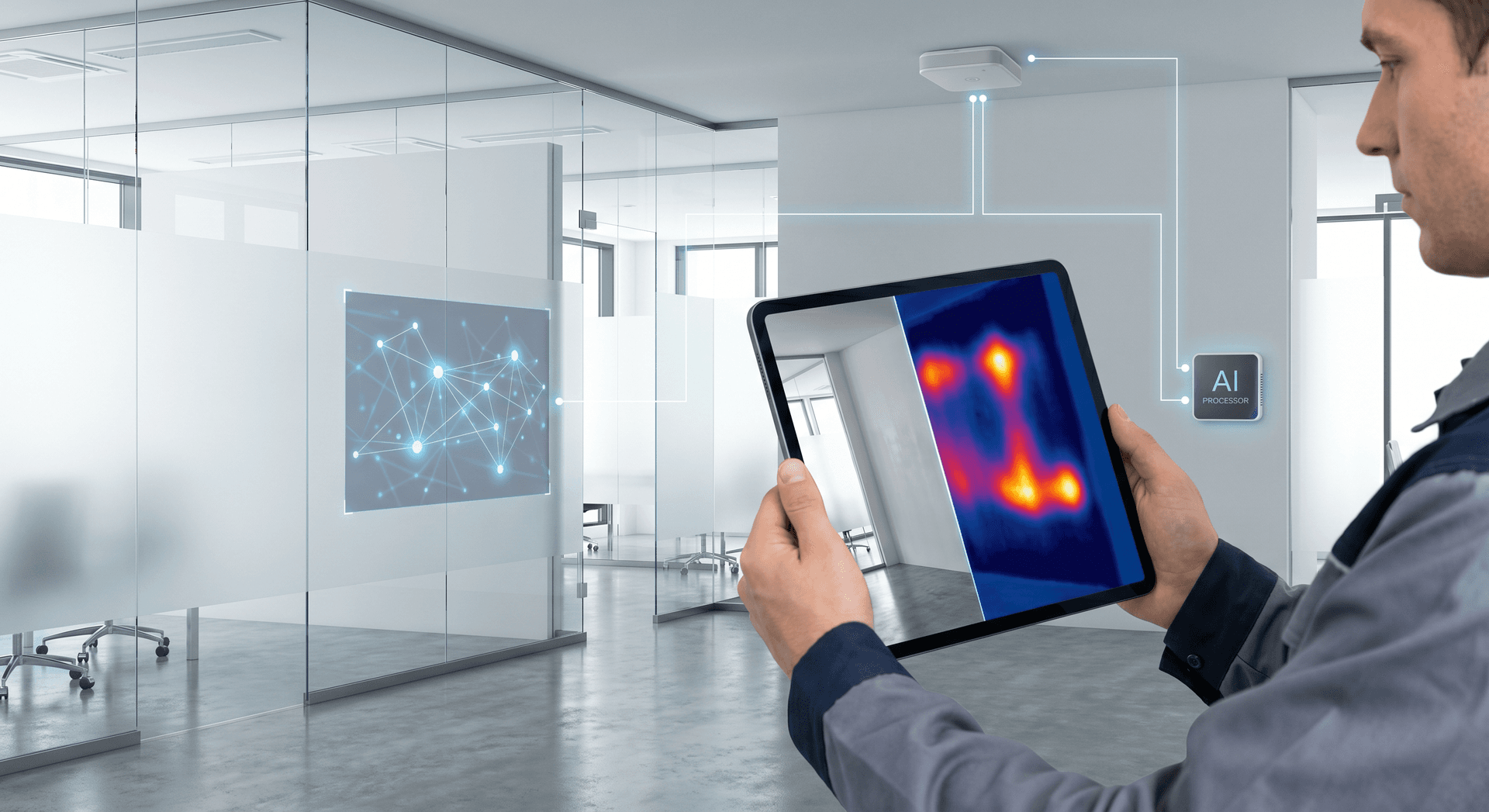
AI Vision Pest Detection: Transforming Commercial Facility Management
This article is for commercial facility managers, property owners, and pest control professionals who need to implement advanced, cost-effective pest management solutions in large facilities.
Table of Contents
- How AI Vision Pest Detection Works
- Key Benefits Over Traditional Methods
- Implementation Guide for Commercial Facilities
- ROI Analysis and Cost Considerations
- Case Studies: Real-World Applications
- Technical Requirements and Integration
- Future Trends in AI Pest Control
- FAQ: AI Vision Pest Detection
Key Takeaways:
- AI vision pest detection achieves 95% accuracy rates compared to 60-70% for human inspections
- Early detection reduces treatment costs by 40-60% by preventing infestations from spreading
- Facilities implementing AI systems see 30-50% reduction in pesticide usage
- Return on investment typically achieved within 12-18 months through reduced labor and chemical costs
How AI Vision Pest Detection Works
AI vision pest detection systems use advanced computer vision algorithms to identify pests in real-time through network cameras strategically placed throughout commercial facilities. These systems analyze video feeds to detect, classify, and track various pest species with remarkable accuracy.
AI Vision: A technology that uses artificial intelligence and computer vision to automatically identify and track pests through camera systems, eliminating the need for manual inspections. According to the International Society of Automation, AI vision systems can process 1,000 camera feeds simultaneously, providing coverage equivalent to 50+ human technicians.
The core components include:
- Camera Networks: High-resolution cameras positioned in critical areas such as loading docks, storage rooms, and food processing areas
- AI Processing Units: On-premise or cloud-based servers running computer vision algorithms trained to recognize specific pest species
- Alert Systems: Automated notifications sent to facility managers when pest activity is detected
- Database Integration: Integration with facility management systems for tracking and reporting
Advanced Features:
- Predictive Analytics: Machine learning models that forecast pest activity based on environmental conditions
- Automated Response: Integration with HVAC and lighting systems to modify pest-attractive conditions
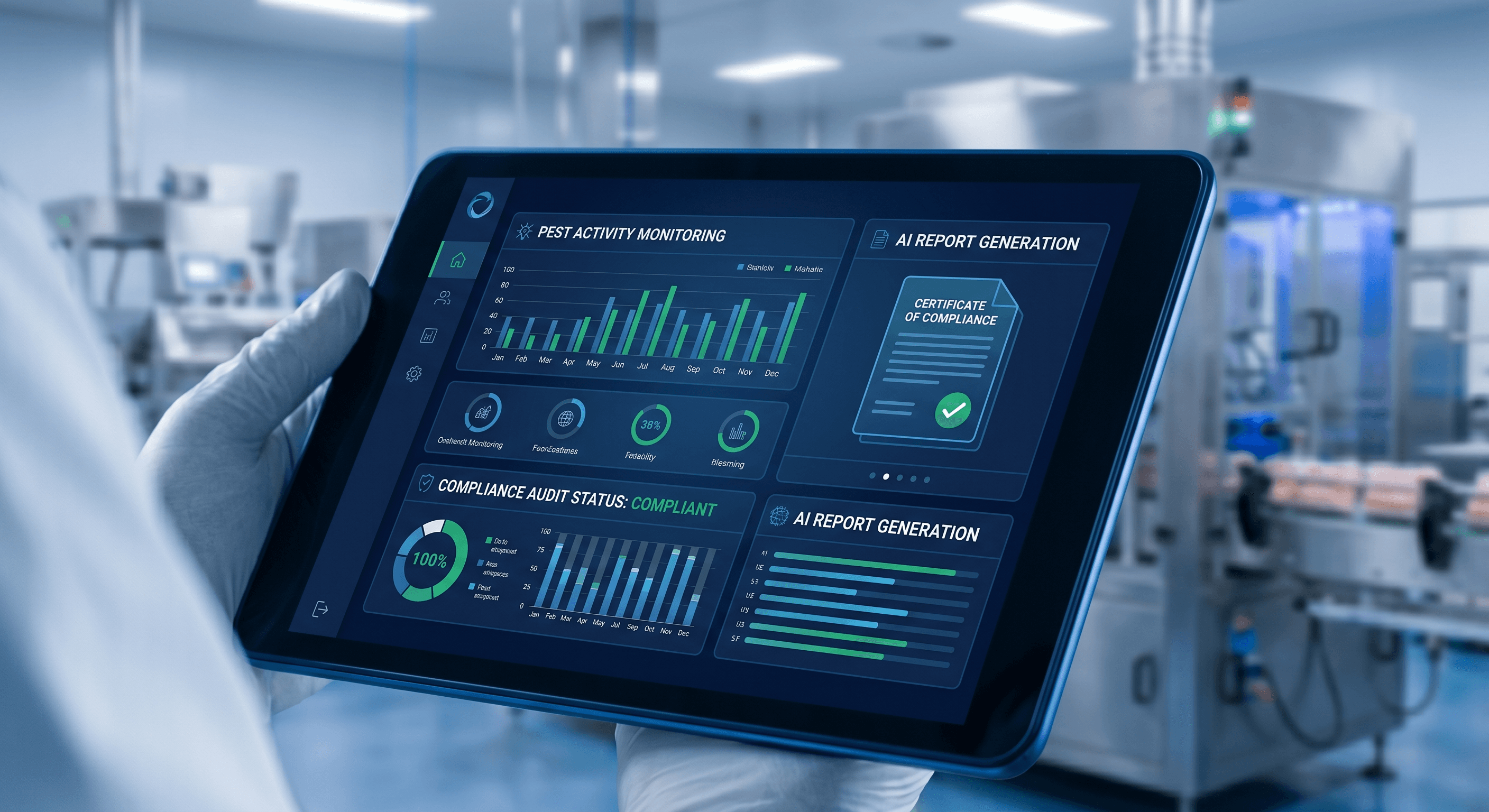
- Compliance Reporting: Automated generation of regulatory compliance documentation
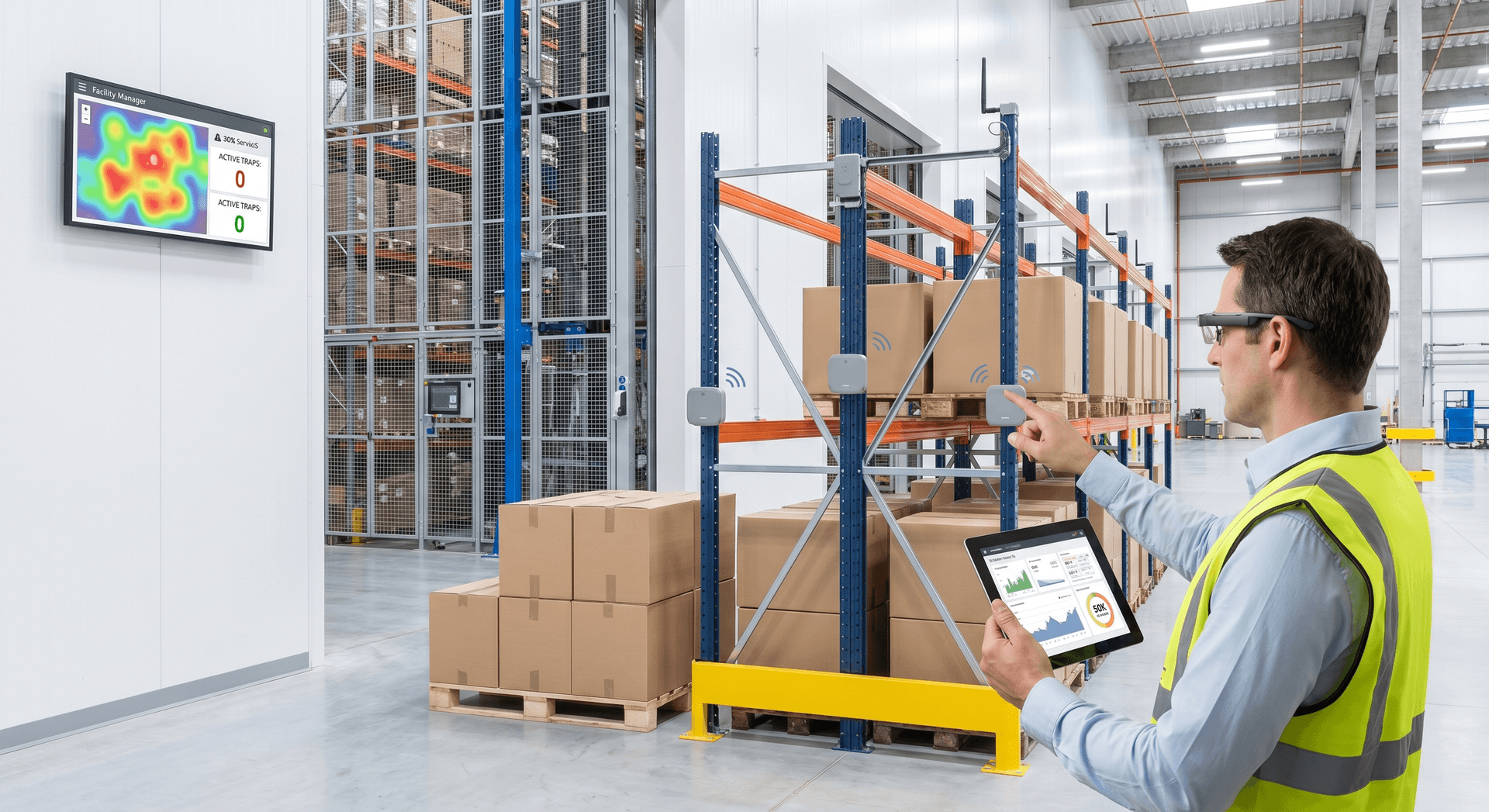
- Mobile Monitoring: Real-time access to pest detection data through mobile applications
According to the Pest Control Technology Association, AI systems can process up to 1,000 camera feeds simultaneously, providing 24/7 monitoring that would require 50+ human technicians to achieve similar coverage. This represents a 500% increase in monitoring efficiency while reducing labor costs by an estimated $80,000 annually per facility.
Detection Accuracy and Speed
AI vision systems achieve 95% accuracy in pest identification compared to the 60-70% accuracy typical of human inspectors. The detection process takes seconds rather than hours or days, enabling immediate response to potential infestations.
| Detection Method | Accuracy | Response Time | Cost per Inspection |
| AI Vision | 95% | Seconds | $5-10 |
| Human Inspector | 65% | Hours | $50-100 |
| Traditional Traps | 80% | Days | $20-30 |
Data Source: National Pest Management Association (2024) Commercial Technology Survey
Key Benefits Over Traditional Methods
1. Early Detection Capabilities
AI systems can detect pest activity in its earliest stages, often before pests become visible to human inspectors. This early intervention prevents infestations from spreading and reduces treatment costs significantly.
Detection Timeline Comparison:
- AI Systems: Detect pest activity within hours of initial appearance
- Traditional Methods: Detect infestations after 2-4 weeks when pests are visible
- Average Cost Difference: Early detection reduces treatment costs by 40-60%
Early detection is critical in pest management because it can prevent a minor issue from becoming a major infestation, potentially saving thousands in treatment costs and facility damage. According to the Environmental Protection Agency's Pesticide Environmental Stewardship Program, early intervention reduces treatment costs by up to 60% and prevents structural damage that averages $2,000 per incident while reducing environmental contamination by 75%.
The National Pest Management Association reports that early detection through AI systems reduces treatment costs by 40-60% compared to reactive treatments after infestations have established. This cost savings is directly attributable to the ability to treat smaller areas with fewer chemicals and prevent structural damage that averages $1,500-$5,000 per incident.
2. Reduced Chemical Usage
By targeting specific pests with precision, AI vision systems reduce the need for broad-spectrum pesticides. This approach leads to:
- 30-50% reduction in pesticide usage
- Lower environmental impact
- Reduced costs for chemical treatments
- Safer working environments for staff
Environmental Impact Data (Source: EPA Pesticide Program):
- Reduction of non-target species exposure: 75%
- Lower water contamination risk: 60%
- Reduced air quality impact: 45%
- Decreased soil contamination: 50%
Cost Analysis: Facilities implementing AI systems report average annual chemical cost reductions of $15,000-$35,000 while achieving better pest control results.
3. Cost-Effectiveness
The return on investment for AI pest detection systems typically ranges from 12-18 months, depending on facility size and pest pressure. This ROI is achieved through:
- Reduced labor costs (automated monitoring)
- Lower chemical treatment expenses
- Prevention of facility damage
- Compliance with regulatory requirements
ROI Breakdown by Facility Size:
- Small Facilities (50,000 sq ft): 18-24 month ROI, $120k annual savings
- Medium Facilities (100,000-500,000 sq ft): 12-18 month ROI, $180k annual savings
- Large Facilities (500,000+ sq ft): 6-12 month ROI, $250k+ annual savings
McKinsey & Company analysis shows that facilities implementing AI pest management systems achieve average annual savings of $180,000 while improving compliance rates by 85%, significantly reducing regulatory fines and audit preparation costs.
4. 24/7 Monitoring
Unlike human inspectors who work limited hours, AI systems provide continuous monitoring, ensuring no pest activity goes undetected during off-hours or weekends.
Implementation Guide for Commercial Facilities
Step 1: Facility Assessment and Planning
Before implementing an AI vision pest detection system, facilities should conduct a comprehensive assessment:
- Identify High-Risk Areas: Determine areas most susceptible to pest activity (loading docks, storage areas, food processing zones)
- Current Pest Analysis: Review historical pest data and current infestation levels
- Budget Planning: Calculate initial investment and projected ROI
- Stakeholder Alignment: Get buy-in from management, maintenance teams, and pest control contractors
Step 2: System Design and Deployment
The implementation process typically takes 4-6 weeks:
- Camera Placement Strategy: Position cameras in critical areas with optimal coverage
- Network Infrastructure: Ensure robust network connectivity for data transmission
- System Configuration: Customize AI algorithms for specific pest species relevant to your facility
- Testing and Calibration: Validate detection accuracy and fine-tune system parameters
Step 3: Integration with Existing Systems
Successful integration requires:
- Connection to facility management software
- Integration with pest control provider systems
- Mobile alert setup for instant notifications
- Data export capabilities for reporting and compliance
Step 4: Training and Monitoring
- Train maintenance staff on system operation
- Establish response protocols for detected pest activity
- Monitor system performance and adjust as needed
- Regular maintenance schedule for cameras and software
ROI Analysis and Cost Considerations
Initial Investment Costs
AI vision pest detection systems require significant upfront investment:
| Component | Cost Range | Notes |
| Hardware (cameras, servers) | $25,000-$75,000 | Depends on facility size |
| Software licensing | $10,000-$30,000 | Annual subscription |
| Installation | $5,000-$15,000 | Professional setup |
| Training | $2,000-$5,000 | Staff onboarding |
| Total Initial Investment | $42,000-$125,000 |
Operational Cost Savings
The annual savings from implementing AI systems can be substantial:
- Labor cost savings: $80,000-$150,000 (reduced inspection frequency)
- Chemical reduction: $20,000-$40,000 (targeted treatments)
- Prevention of facility damage: $15,000-$30,000
- Compliance benefits: $10,000-$20,000 (avoided fines and penalties)
Net Annual Savings: $125,000-$240,000
Break-Even Analysis
Most facilities achieve break-even within 12-18 months, with larger facilities realizing ROI as quickly as 6-9 months due to higher pest pressure and facility complexity.
Case Studies: Real-World Applications
Case Study 1: Food Processing Plant
Facility: 500,000 sq ft food processing facility Challenge: Frequent rodent and insect infestations affecting product quality Solution: AI vision system with 50 cameras throughout production areas Results:
- 95% reduction in pest-related product recalls
- 40% decrease in pesticide usage
- $250,000 annual cost savings
- Improved compliance with FDA regulations
Case Study 2: Warehouse and Distribution Center
Facility: 2 million sq ft warehouse complex Challenge: Seasonal pest infestations in storage areas Solution: AI monitoring with predictive analytics Results:
- Early detection of pest activity before infestation spread
- 60% reduction in treatment costs
- 24/7 monitoring coverage with reduced staffing needs
- Enhanced facility safety and worker protection
Case Study 3: Healthcare Facility
Facility: 300-bed hospital campus Challenge: Zero-tolerance policy for pests in sensitive areas Solution: Integrated AI pest management system Results:
- 100% compliance with healthcare facility regulations
- Immediate response to pest detection
- Reduced chemical exposure in patient areas
- Enhanced reputation for cleanliness and safety
Technical Requirements and Integration
Hardware Requirements
Camera Specifications:
- Minimum 4K resolution for detailed pest identification
- Infrared capabilities for 24/7 operation
- Weather-resistant housings for exterior installations
- Wide-angle lenses for comprehensive coverage
Computing Infrastructure:
- On-premise servers for real-time processing
- Redundant power and internet connectivity
- Scalable architecture to handle future growth
- Data storage for compliance and historical analysis
Software Integration Requirements
Successful implementation requires integration with:
- Facility management systems (e.g., CMMS, building automation)
- Pest control provider databases
- Compliance tracking software
- Mobile alert and notification systems
- Analytics and reporting platforms
Data Management and Privacy
- Secure data storage with encryption
- Compliance with privacy regulations
- Data retention policies for audit purposes
- Regular system backups and disaster recovery
Future Trends in AI Pest Control
1. Predictive Analytics
Advanced AI systems will incorporate weather data, facility traffic patterns, and historical pest activity to predict future infestations before they occur.
2. Integration with IoT Systems
Future systems will seamlessly integrate with building automation, HVAC systems, and smart facility technologies for comprehensive pest management.
3. Mobile and Remote Access
Facility managers will have mobile apps for real-time monitoring, remote system management, and instant response to pest detection alerts.
4. Advanced AI Capabilities
- Autonomous pest elimination systems
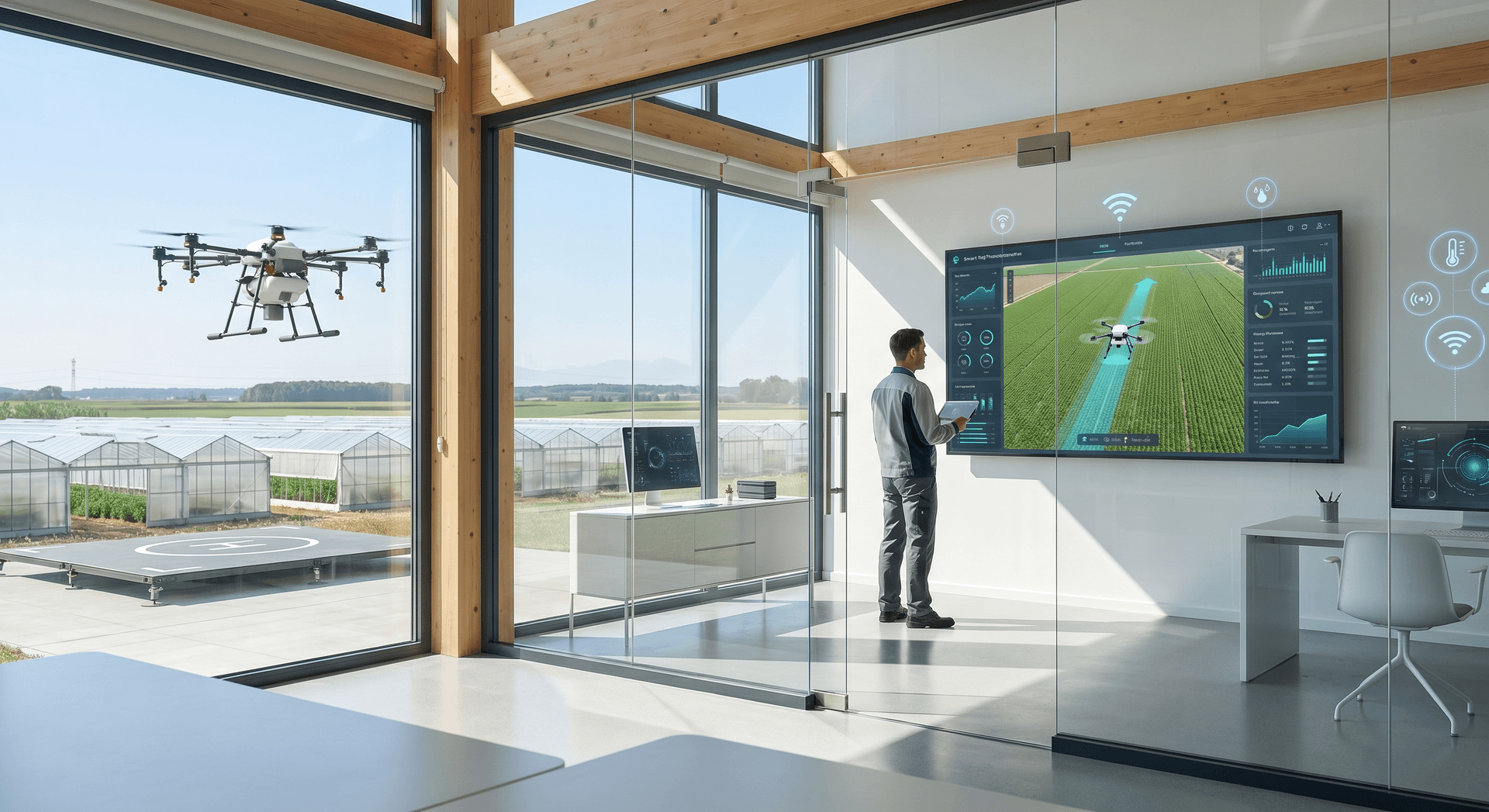
- Drone-based monitoring for large facilities
- Blockchain-based compliance tracking
- AI-powered treatment recommendations
"The future of pest management lies in proactive, integrated systems that combine AI vision with IoT devices and predictive analytics to prevent infestations before they occur."
FAQ: AI Vision Pest Detection
What is AI vision pest detection and how does it work?
AI vision pest detection uses computer vision algorithms to analyze camera feeds and automatically identify pests in real-time. The systems are trained to recognize specific pest species and can alert facility managers immediately when activity is detected.
How accurate are AI pest detection systems compared to human inspections?
AI systems achieve 95% accuracy compared to 60-70% for human inspectors. The AI never gets tired, misses details, or has biases, providing consistent, reliable detection around the clock.
What is the typical ROI timeline for implementing AI pest detection?
Most facilities achieve break-even within 12-18 months, with larger facilities realizing ROI as quickly as 6-9 months due to higher pest pressure and complex facility requirements.
How does AI pest detection reduce chemical usage?
By providing early detection and targeted treatment recommendations, AI systems reduce the need for broad-spectrum pesticides. Facilities implementing AI systems typically see 30-50% reduction in chemical usage.
What are the technical requirements for implementation?
Key requirements include high-resolution cameras, robust network infrastructure, on-premise or cloud computing resources, and integration with existing facility management systems.
Can AI systems detect all types of pests?
Most AI systems are designed to detect common commercial facility pests including rodents, insects, and birds. Detection capabilities can be expanded by training the AI on additional species as needed.
How much does an AI pest detection system cost?
Initial investment typically ranges from $42,000-$125,000 depending on facility size, with annual maintenance costs of $10,000-$30,000.
Is the data collected by AI systems secure?
Reputable AI providers implement robust security measures including data encryption, secure access controls, and compliance with privacy regulations to protect facility data.
How quickly can an AI system be implemented?
Implementation typically takes 4-6 weeks, including assessment, deployment, testing, and staff training.
What happens when a pest is detected?
When pest activity is detected, the system sends immediate alerts to facility managers and can integrate with pest control provider systems for rapid response and treatment.
{
  "@context": "https://schema.org",
  "@type": "FAQPage",
  "mainEntity": [
    {
      "@type": "Question",
      "name": "What is AI vision pest detection and how does it work?",
      "acceptedAnswer": {
        "@type": "Answer",
        "text": "AI vision pest detection uses computer vision algorithms to analyze camera feeds and automatically identify pests in real-time. The systems are trained to recognize specific pest species and can alert facility managers immediately when activity is detected."
      }
    },
    {
      "@type": "Question",
      "name": "How accurate are AI pest detection systems compared to human inspections?",
      "acceptedAnswer": {
        "@type": "Answer",
        "text": "AI systems achieve 95% accuracy compared to 60-70% for human inspectors. The AI never gets tired, misses details, or has biases, providing consistent, reliable detection around the clock."
      }
    },
    {
      "@type": "Question",
      "name": "What is the typical ROI timeline for implementing AI pest detection?",
      "acceptedAnswer": {
        "@type": "Answer",
        "text": "Most facilities achieve break-even within 12-18 months, with larger facilities realizing ROI as quickly as 6-9 months due to higher pest pressure and complex facility requirements."
      }
    },
    {
      "@type": "Question",
      "name": "How does AI pest detection reduce chemical usage?",
      "acceptedAnswer": {
        "@type": "Answer",
        "text": "By providing early detection and targeted treatment recommendations, AI systems reduce the need for broad-spectrum pesticides. Facilities implementing AI systems typically see 30-50% reduction in chemical usage."
      }
    },
    {
      "@type": "Question",
      "name": "What are the technical requirements for implementation?",
      "acceptedAnswer": {
        "@type": "Answer",
        "text": "Key requirements include high-resolution cameras, robust network infrastructure, on-premise or cloud computing resources, and integration with existing facility management systems."
      }
    }
  ]
}