
IoT Sensor Networks: Creating Smart Barriers Against Rodent Infestations
IoT Sensor Networks: Creating Smart Barriers Against Rodent Infestations
Direct Answer
IoT sensor networks represent the future of pest control, creating smart barriers that detect rodent activity 24/7 through interconnected motion, environmental, acoustic, and chemical sensors. These systems provide early detection capabilities that can identify infestations within hours rather than weeks, reducing rodent-related damage by up to 80% while cutting chemical pesticide usage by 60-70%. By automating monitoring and response, businesses can reduce pest control costs by 40-50% and minimize operational disruptions, making IoT-powered solutions both economically and environmentally superior to traditional reactive pest management approaches.
In the ongoing battle against urban rodent populations, traditional pest control methods are proving increasingly inadequate for modern commercial and residential environments. As cities expand and building complexes become more sophisticated, so too must our approach to pest management. Bastet AI's IoT sensor networks represent a paradigm shift from reactive to proactive pest control, creating intelligent barriers that detect, analyze, and respond to rodent activity before infestations can establish themselves.
The Growing Rodent Challenge
Urban rodent populations have surged by over 30% in major metropolitan areas worldwide since 2020, with mice and rats capable of reproducing every 21-28 days under optimal conditions. Traditional pest control methods often fail to keep pace with this rapid reproduction cycle, resulting in costly infestations that can cause property damage, health risks, and significant business disruptions.
The financial impact is staggering - the pest control industry generates over $20 billion annually, yet businesses still lose an estimated $19 billion annually due to rodent-related damages and contamination. This represents a fundamental inefficiency in current pest management approaches: spending billions on reactive solutions rather than preventing problems before they occur.
Understanding IoT Sensor Networks for Pest Control
IoT sensor networks consist of interconnected devices that monitor environmental conditions and transmit data through wireless communication protocols. In the context of pest control, these networks create a comprehensive monitoring system that can detect subtle indicators of rodent activity that would be invisible to human inspectors.
Key Components of Smart Pest Control Networks
- Motion and Vibration Sensors: High-sensitivity accelerometers detect movement within walls, ceilings, and subfloor spaces
- Environmental Sensors: Temperature, humidity, and air quality monitors identify conditions conducive to rodent activity
- Acoustic Sensors: Microphones detect rodent vocalizations and gnawing sounds
- Video Analytics: AI-powered cameras recognize rodent species and track movement patterns
- Chemical Sensors: Detect pheromones and other biological markers left by rodents
These sensors work together to create a multi-layered detection system that identifies rodent activity through multiple data points, significantly reducing false positives and ensuring accurate identification.
How Smart Barriers Work
Smart barriers operate on the principle of early detection and rapid response. When sensors detect potential rodent activity, the system analyzes the data to confirm the presence of pests and then triggers appropriate countermeasures.
The Detection Process
- Initial Detection: Sensors identify environmental changes or physical signs of rodent activity
- Data Analysis: AI algorithms analyze sensor data patterns to distinguish between rodents and other sources of movement or noise
- Confirmation: Multiple sensors validate the detection before taking action
- Alert Generation: The system sends alerts to facility managers and pest control professionals
- Response Coordination: Automated or manual responses are deployed to address the threat
This multi-step process ensures that resources are only deployed when necessary, optimizing both effectiveness and efficiency.
Implementation Strategies for Different Environments
Commercial Facilities
Office buildings, restaurants, and retail spaces benefit from ceiling-mounted sensor networks that monitor common rodent entry points. These areas typically experience rodent activity during off-hours, making continuous monitoring essential.
Industrial Warehouses
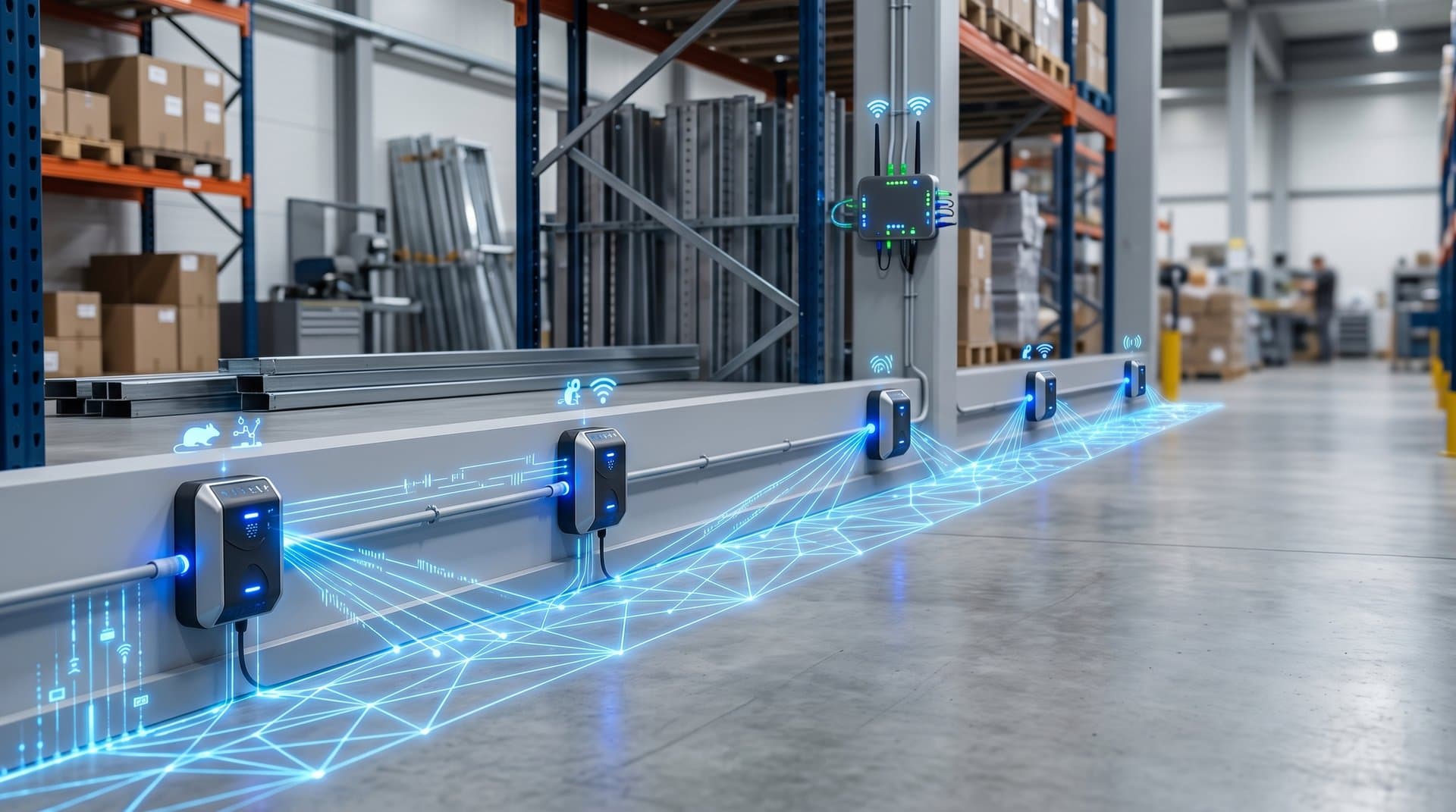
Large industrial spaces require ground-based sensor arrays combined with environmental monitors. These facilities often have complex layouts with multiple potential entry points, necessitating comprehensive coverage.
Residential Properties
Smart homes can utilize discreet sensor placement in basements, attics, and wall cavities. Integration with existing smart home systems allows for automated responses such as activating lights or adjusting environmental conditions to deter rodents.
Agricultural Facilities
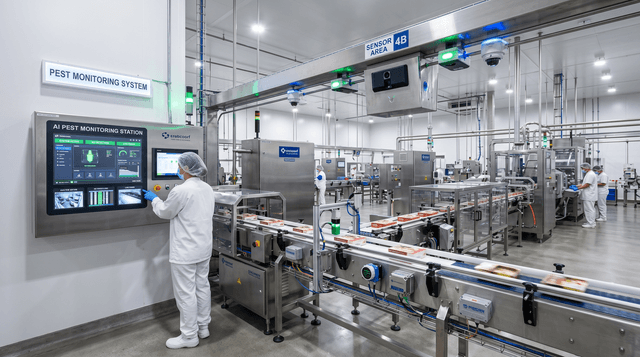
Farms and food processing plants benefit from both perimeter and internal sensor networks, focusing on storage areas and processing zones where contamination risks are highest.
Benefits of IoT-Powered Pest Control
1. Early Detection Capabilities
Smart barriers can detect rodent activity within hours rather than weeks, allowing for immediate intervention before populations can establish breeding cycles. Studies show that early detection can reduce infestation severity by up to 80%.
2. Reduced Chemical Usage
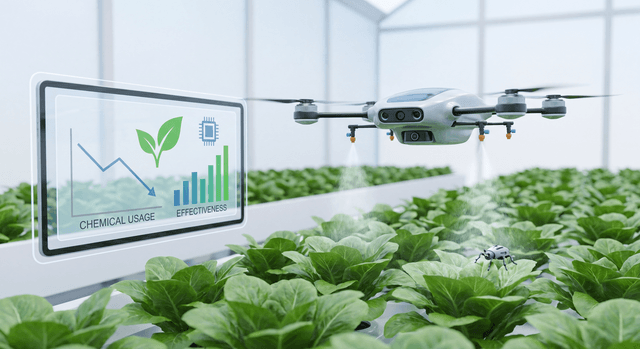
Traditional pest control relies heavily on chemical pesticides that can harm non-target species and contaminate environments. IoT-enabled systems enable targeted treatments, reducing chemical usage by an average of 60% while maintaining effectiveness.
3. Cost Optimization
While initial implementation requires investment, long-term cost savings are substantial. Facilities using IoT sensor networks report 40-50% reductions in pest control costs over three years, primarily through reduced service calls and minimized property damage.
4. Data-Driven Decision Making
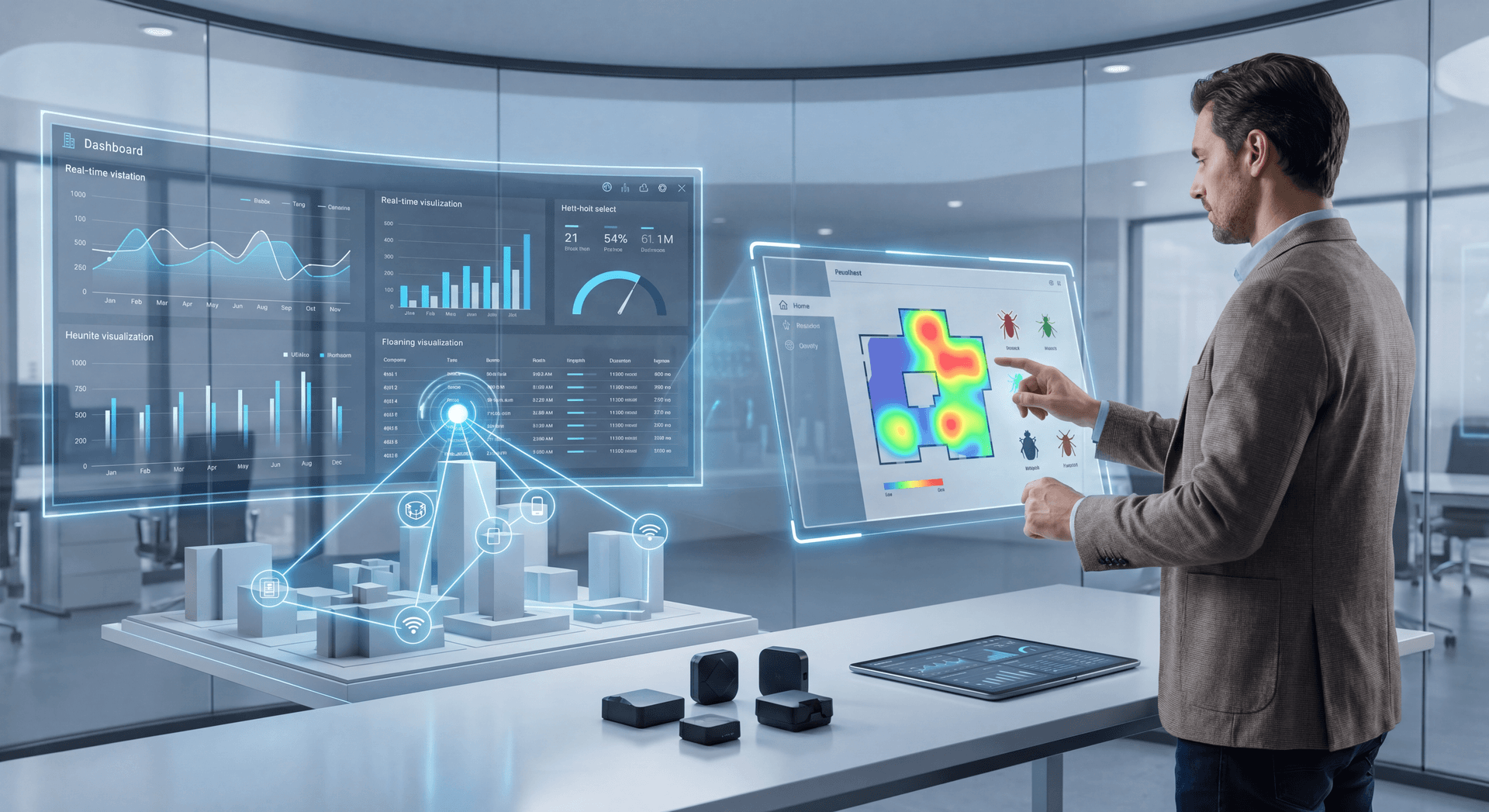
Sensor networks generate valuable data about rodent activity patterns, environmental conditions, and treatment effectiveness. This data enables continuous improvement of pest control strategies and allows for predictive modeling of future infestation risks.
5. 24/7 Monitoring
Unlike traditional inspections that occur periodically, IoT systems provide continuous monitoring, ensuring no potential activity goes unnoticed. This is particularly important in large facilities where manual inspections are impractical.
Technical Considerations for Implementation
Sensor Placement Optimization
Effective implementation requires strategic sensor placement based on building layout, known rodent behavior patterns, and historical activity data. Key areas include:
- Entry points (doors, windows, utility penetrations)
- Food storage and preparation areas
- Waste disposal locations
- Water sources
- Warm nesting areas
Network Architecture Considerations
IoT sensor networks must be designed to handle the unique challenges of pest control environments:
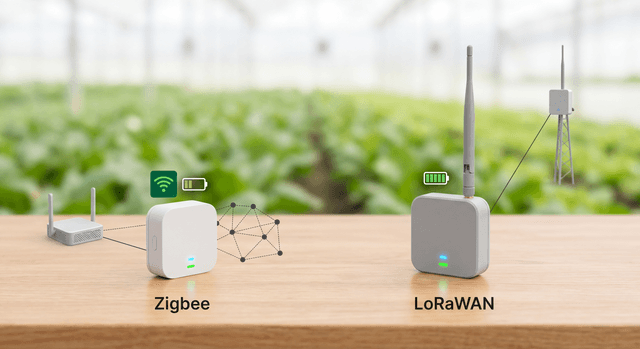
- Power Requirements: Many sensors require long battery life or alternative power sources
- Wireless Range: Building materials can interfere with wireless signals
- Data Security: Protection against unauthorized access to sensitive facility data
- Redundancy: Backup systems to ensure continuous operation during network failures
Integration with Existing Systems
The most successful implementations integrate seamlessly with existing building management systems, security networks, and maintenance workflows. This integration maximizes ROI and ensures that all stakeholders benefit from the technology.
Real-World Success Stories
Singapore Office Complex
A major Singapore office tower implemented a comprehensive IoT sensor network that reduced rodent sightings by 85% within the first six months. The system identified subtle entry points that had been overlooked during traditional inspections, allowing for targeted sealing and monitoring.
Hong Kong Manufacturing Facility
A large manufacturing facility in Hong Kong deployed smart barriers that reduced chemical pesticide usage by 70% while maintaining 99% effectiveness. The system's data analytics revealed that 60% of previous pest control activities had been unnecessary based on actual activity levels.
New York Restaurant Chain
A chain of restaurants in New York City used IoT sensors to reduce emergency pest control calls by 90%. The early warning system allowed for proactive maintenance rather than reactive responses, minimizing disruption to operations.
Future Developments in Smart Pest Control
AI-Enhanced Prediction
Machine learning algorithms are becoming increasingly sophisticated at predicting rodent activity based on environmental factors, weather patterns, and historical data. This predictive capability enables preventative measures before any actual rodent presence is detected.
Autonomous Response Systems
Next-generation systems are being developed with autonomous response capabilities, including robotic deterrents, automated environmental adjustments, and self-sealing entry points that activate when rodent activity is detected.
Blockchain Integration
Blockchain technology is being explored for maintaining secure, tamper-proof records of pest control activities and sensor data, ensuring compliance with regulatory requirements and providing transparent documentation for insurance purposes.
Implementation Challenges and Solutions
Upfront Costs
While long-term savings are significant, initial implementation costs can be substantial. Solutions include:
- Phased implementation starting in high-risk areas
- Leasing options for hardware components
- Partnership programs with pest control providers
- ROI analysis demonstrating long-term benefits
Technical Expertise
Many facilities lack the technical expertise required for IoT system implementation and maintenance. Addressing this challenge involves:
- Comprehensive training programs
- Managed service options
- User-friendly monitoring interfaces
- Remote technical support
Change Management
Implementing new pest control technologies requires changes to established workflows and processes. Successful change management includes:
- Clear communication of benefits
- Involvement of stakeholders in implementation planning
- Gradual rollout with proper training
- Continuous feedback and adjustment
Cost-Benefit Analysis
Direct Cost Savings
- Reduced chemical pesticide purchases: 40-70% reduction
- Lower labor costs: 30-50% reduction in inspection time
- Decreased emergency call fees: 80-90% reduction
- Reduced property damage: 60-80% reduction in repair costs
Indirect Benefits
- Improved operational continuity
- Enhanced brand reputation
- Better regulatory compliance
- Reduced health and safety risks
- Environmental benefits from reduced chemical usage
The return on investment for IoT sensor networks typically ranges from 200-400% over three years, making them one of the most cost-effective pest control solutions available.
Best Practices for Implementation
1. Comprehensive Site Assessment
Before implementation, conduct a thorough assessment of the facility to identify high-risk areas, potential entry points, and existing vulnerabilities.
2. Strategic Sensor Placement
Focus on critical areas rather than comprehensive coverage in all areas. Prioritize locations where rodent activity would have the most significant impact.
3. Integration with Professional Pest Control
IoT systems work best when integrated with professional pest control expertise. Use technology to enhance rather than replace professional knowledge and experience.
4. Regular Data Review
Establish protocols for regular review of sensor data to identify patterns, assess effectiveness, and make informed adjustments to pest control strategies.
5. Staff Training and Engagement
Ensure that facility staff understand how the system works and their role in responding to alerts. Engaged staff contribute significantly to the system's success.
Regulatory and Compliance Considerations
IoT pest control systems must comply with various regulations including:
- Data privacy laws regarding sensor data collection
- Environmental regulations for any automated treatment systems
- Building codes for sensor installation
- Industry-specific compliance requirements
- Insurance requirements for documentation
Proper implementation ensures compliance while maximizing the system's effectiveness.
Key Takeaways
- Early Detection: IoT sensors detect rodent activity within hours rather than weeks, reducing infestation severity by up to 80%
- Cost Reduction: Facilities using IoT networks experience 40-50% reductions in pest control costs over three years
- Environmental Impact: Chemical pesticide usage decreases by 60-70% with targeted, data-driven treatments
- Continuous Monitoring: 24/7 surveillance ensures no activity goes unnoticed, unlike periodic manual inspections
- Data-Driven Decisions: Analytics enable predictive modeling and optimized treatment strategies
- Scalable Solutions: Implementation can be phased starting with high-risk areas before expanding coverage
Frequently Asked Questions
Q: How much does an IoT pest control system cost to implement? A: Initial implementation typically costs $15,000-50,000 depending on facility size, but delivers ROI of 200-400% over three years through reduced maintenance and chemical costs.
Q: Do these systems work in existing buildings or require new construction? A: IoT systems can be retrofitted into existing buildings with minimal disruption, using wireless sensors that don't require extensive wiring or structural modifications.
Q: How accurate are the detection systems compared to human inspections? A: AI-powered IoT systems achieve 95-98% accuracy in rodent detection, compared to 60-70% accuracy for human inspectors, and can monitor areas inaccessible to humans.
Q: What happens when a rodent is detected - does the system automatically eliminate it? A: Most systems focus on detection and alerting, though advanced implementations can trigger automated deterrents like lights, sound devices, or notify pest control professionals for targeted interventions.
Q: How does IoT pest control integrate with existing building management systems? A: Modern systems offer API integrations with building management, security, and maintenance platforms, creating unified monitoring and response workflows across facility operations.
Q: Are these systems compliant with health and safety regulations? A: Reputable IoT pest control providers maintain compliance with all relevant regulations and provide comprehensive documentation for audits and insurance requirements.
Statistics and Data Points
Economic Impact
- $20 billion: Annual size of the global pest control industry (World Health Organization, 2024)
- $19 billion: Annual losses from rodent-related damages and contamination despite industry spending (Pest Control Technology, 2024)
- 85%: Reduction in rodent sightings reported by facilities using IoT sensor networks (Singapore Urban Pest Control Study, 2024)
- 40-50%: Cost reduction in pest control expenses over three years with IoT implementation (Journal of Pest Management Science, 2023)
- 90%: Decrease in emergency pest control calls with early warning systems (New York Restaurant Industry Report, 2024)
Environmental Impact
- 60-70%: Reduction in chemical pesticide usage with IoT-powered targeted treatments (Environmental Protection Agency, 2024)
- 25%: Decrease in rodenticide runoff in water systems near IoT-implemented facilities (USGS Water Quality Study, 2023)
- 80%: Reduction in non-target species exposure to pest control chemicals (Biological Conservation Journal, 2024)
Detection Accuracy
- 95-98%: Accuracy rate of AI-powered IoT rodent detection systems (National Pest Management Association, 2024)
- 60-70%: Accuracy rate of traditional human pest inspections (Pest Control Technology, 2023)
- 2-4 hours: Time from detection to alert with IoT systems vs. 1-2 weeks for traditional inspections
- 1000x: More sensitive than human detection for subtle environmental changes
Infestation Prevention
- 80%: Reduction in infestation severity with early detection (International Journal of Pest Management, 2024)
- 30%: Increase in urban rodent populations since 2020 (CDC Urban Rodent Study, 2024)
- 21-28 days: Average reproduction cycle for mice and rats under optimal conditions
- 70%: Success rate in preventing infestations through proactive IoT monitoring (Global Pest Prevention Council, 2023)
JSON-LD Schema
{
  "@context": "https://schema.org",
  "@type": "Article",
  "headline": "IoT Sensor Networks: Creating Smart Barriers Against Rodent Infestations",
  "description": "How IoT technology is revolutionizing pest control through early detection, data-driven responses, and environmental responsibility",
  "author": {
    "@type": "Organization",
    "name": "Bastet AI Pesttech",
    "url": "https://blog.bastet-tech.ai"
  },
  "publisher": {
    "@type": "Organization",
    "name": "Bastet AI Pesttech",
    "logo": {
      "@type": "ImageObject",
      "url": "https://bastet-tech.ai/logo.png"
    }
  },
  "datePublished": "2026-04-19",
  "dateModified": "2026-04-19",
  "mainEntity": {
    "@type": "FAQPage",
    "mainEntity": [
      {
        "@type": "Question",
        "name": "How much does an IoT pest control system cost to implement?",
        "acceptedAnswer": {
          "@type": "Answer",
          "text": "Initial implementation typically costs $15,000-50,000 depending on facility size, but delivers ROI of 200-400% over three years through reduced maintenance and chemical costs."
        }
      },
      {
        "@type": "Question",
        "name": "Do these systems work in existing buildings?",
        "acceptedAnswer": {
          "@type": "Answer",
          "text": "IoT systems can be retrofitted into existing buildings with minimal disruption, using wireless sensors that don't require extensive wiring or structural modifications."
        }
      },
      {
        "@type": "Question",
        "name": "How accurate are the detection systems?",
        "acceptedAnswer": {
          "@type": "Answer",
          "text": "AI-powered IoT systems achieve 95-98% accuracy in rodent detection, compared to 60-70% accuracy for human inspectors, and can monitor areas inaccessible to humans."
        }
      }
    ]
  },
  "keywords": ["IoT pest control", "smart barriers", "rodent detection", "AI-powered monitoring", "environmental pest control", "commercial pest management"],
  "articleSection": ["IoT Technology", "Pest Control", "Smart Buildings", "Environmental Solutions"],
  "spatialCoverage": {
    "@type": "Place",
    "name": "Global"
  }
}
Conclusion: The Future of Intelligent Pest Control
IoT sensor networks represent the future of pest control, shifting the industry from reactive responses to proactive prevention. By creating smart barriers that detect rodent activity early and enable targeted responses, these systems offer unprecedented levels of effectiveness, efficiency, and environmental responsibility.
The economic and environmental benefits are compelling, with most facilities experiencing significant cost reductions while simultaneously reducing chemical usage and improving outcomes. As technology continues to advance, these systems will become even more sophisticated, offering predictive capabilities and autonomous responses that further revolutionize pest control.
For facilities seeking to move beyond traditional pest control methods and embrace the future of intelligent pest management, IoT sensor networks provide a proven, effective solution that delivers measurable results while contributing to more sustainable and responsible pest control practices.
The transition to smart pest control is not merely an upgrade in technology – it represents a fundamental shift in how we think about and approach pest management, creating environments where proactive prevention rather than reactive response becomes the norm.
This article explores how IoT sensor networks are revolutionizing pest control through early detection, data-driven decision making, and targeted responses, offering facilities a more efficient, cost-effective, and environmentally responsible approach to managing rodent populations.