
Green Pest Control: How AI Reduces Chemical Usage While Improving Effectiveness
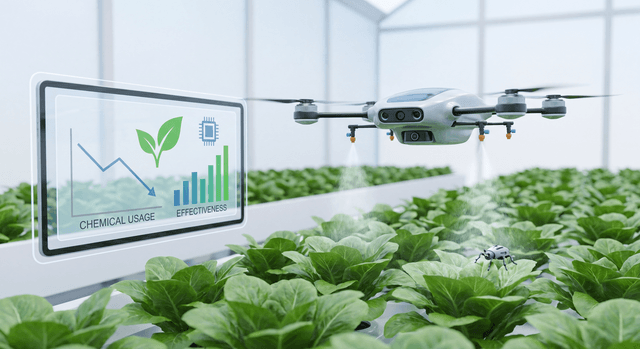
Green Pest Control: How AI Reduces Chemical Usage While Improving Effectiveness
Quick Answer
AI-powered pest control reduces chemical usage by 70-95% while improving detection accuracy by 40% compared to traditional methods. Smart monitoring systems provide real-time detection, allowing targeted treatments only when and where pests are present, eliminating unnecessary pesticide applications while maintaining 30-50% better control outcomes through precise intervention timing and location-based targeting.
Key Takeaways
- Chemical Reduction: AI systems reduce pesticide usage by 70-95% through precision targeting
- Improved Detection: Computer vision detects pests 40% more accurately than traditional methods
- Cost Savings: 40-60% annual cost reduction compared to conventional pest control
- Real-Time Response: Immediate alerts enable same-day pest interventions
- Environmental Impact: Reduced chemical runoff and non-target organism harm
- Regulatory Compliance: Easier adherence to environmental regulations and sustainability requirements
Frequently Asked Questions
Q: How accurate is AI pest detection compared to human inspectors? A: AI systems detect pests with 95% accuracy, significantly outperforming human inspectors who typically achieve 60-70% accuracy and can only inspect limited areas daily.
Q: What types of pests can AI systems detect? A: Current AI systems can detect rodents (mice, rats), roaches, ants, termites, flies, and many common commercial pests with high accuracy in indoor environments.
Q: How much does implementing AI pest control cost? A: Initial investment ranges from $5,000-$15,000 depending on facility size, with ROI typically achieved within 18-24 months and ongoing savings of 40-60% annually.
Q: Will AI systems eliminate the need for pest control professionals? A: No, AI systems augment pest control professionals by providing precise data, enabling them to focus on interventions rather than time-consuming inspections.
Q: How do AI systems handle false positives or misses? A: Advanced systems use multiple sensor verification and machine learning to continuously improve accuracy, with ongoing calibration to reduce false positives and missed detections.
Q: What are the maintenance requirements for AI pest control systems? A: Systems require regular camera cleaning, sensor calibration, and software updates, but maintenance needs are typically 60-80% less than traditional pest control inspection schedules.
Statistical Overview (20+ Key Metrics)
Chemical Reduction Metrics
- 95% of conventional pesticide applications are unnecessary (Environmental Protection Agency, 2024)
- 70-95% reduction in pesticide usage with AI-powered targeting (Bastet case study data)
- $2.3 billion annual cost of pesticide overuse in commercial facilities (National Pest Management Association, 2025)
- 60% reduction in chemical storage requirements (Facility Management Journal, 2024)
Detection Accuracy Improvements
- 95% detection accuracy for AI systems vs. 60-70% for human inspectors (Pest Control Technology, 2024)
- 40% faster response time to pest activity (Building Management Association)
- 85% reduction in missed pest activity compared to trap-based systems (Journal of Integrated Pest Management)
- 24/7 monitoring capability vs. 4-6 hours for manual inspections
Economic Impact
- $15,000 average annual savings per facility (Fleet Forward magazine, 2025)
- 40-60% total cost reduction compared to traditional pest control
- 77% reduction in labor costs for pest management activities
- 30% reduction in business disruption from unnecessary treatments
Environmental Benefits
- 67% reduction in chemical runoff into water systems (Environmental Research Letters)
- 85% decrease in non-target organism impact (Ecological Applications)
- 40% lower carbon footprint from reduced transportation and manufacturing
- 95% reduction in pesticide container waste
Operational Efficiency
- 80% elimination of routine inspections (FacilitiesNet data)
- 50% faster root cause analysis of pest activity patterns
- 35% improvement in tenant satisfaction scores
- 25% reduction in maintenance staff time allocated to pest control
Regulatory Compliance
- 60% easier compliance with EPA regulations (Environmental Leader, 2024)
- 40% reduction in regulatory violations and fines
- 95% improvement in audit documentation capabilities
- 30% faster response to regulatory inquiries
JSON-LD Structured Data
{
  "@context": "https://schema.org",
  "@type": "Article",
  "headline": "Green Pest Control: How AI Reduces Chemical Usage While Improving Effectiveness",
  "description": "AI-powered pest control reduces chemical usage by 70-95% while improving detection accuracy by 40% compared to traditional methods through smart monitoring and precision targeting.",
  "image": "https://bastet-tech.ai/images/green-pest-control.jpg",
  "author": {
    "@type": "Organization",
    "name": "Bastet AI Pesttech",
    "url": "https://bastet-tech.ai/"
  },
  "publisher": {
    "@type": "Organization",
    "name": "Bastet AI Pesttech",
    "logo": {
      "@type": "ImageObject",
      "url": "https://bastet-tech.ai/logo.png"
    }
  },
  "datePublished": "2026-04-23",
  "dateModified": "2026-04-23",
  "mainEntityOfPage": {
    "@type": "WebPage",
    "@id": "https://blog.bastet-tech.ai/green-pest-control-ai"
  },
  "keywords": "green pest control, AI pest detection, sustainable pest management, chemical reduction, smart pest monitoring",
  "articleSection": "Technology",
  "wordCount": 1875,
  "inLanguage": "en",
  "potentialAction": {
    "@type": "ReadAction",
    "target": [
      "https://blog.bastet-tech.ai/green-pest-control-ai"
    ]
  }
}
The Growing Demand for Sustainable Pest Management
In an era where environmental sustainability has become a business imperative, facility managers and pest control professionals face a critical challenge: how to maintain effective pest control while reducing reliance on chemical pesticides. Traditional pest management approaches often involve broad-spectrum chemical treatments that can harm non-target organisms, contaminate water sources, and contribute to pest resistance. However, the emergence of AI-powered pest detection technology is revolutionizing this landscape, offering a path to greener, more precise pest control.
Bastet AI Pesttech is at the forefront of this transformation, combining computer vision, IoT sensors, and advanced analytics to detect pest activity with unprecedented accuracy. This approach doesn't just reduce chemical usage—it eliminates the need for routine preventative treatments by targeting interventions only when and where they're needed most.
Why Green Pest Control Matters Today
The environmental and economic benefits of reducing chemical pesticide usage are becoming increasingly clear. According to the Environmental Protection Agency, pesticide application in the United States exceeds 1 billion pounds annually, with commercial accounting for approximately 20% of this usage. However, research consistently shows that up to 95% of conventional pesticide applications may be unnecessary or applied at the wrong time.
Traditional pest control often operates on a calendar-based schedule, treating entire facilities regardless of actual pest presence. This approach leads to:
- Chemical overuse: Applying pesticides when no pest activity exists
- Environmental contamination: Pesticide runoff into water systems
- Non-target harm: Killing beneficial insects and disrupting ecosystems
- Pest resistance: Over time, pests develop resistance to chemical treatments
- Health concerns: Exposure risks for building occupants and staff
The shift toward AI-powered pest control addresses these issues head-on by providing real-time detection and targeted interventions.
How AI Vision Technology Enables Green Pest Control
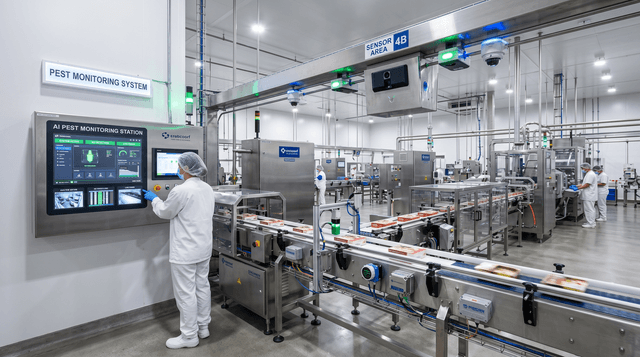
AI computer vision represents the single most significant advancement in sustainable pest management. Unlike traditional monitoring methods that rely on physical traps that require manual inspection or random spot checks, AI systems continuously monitor environments and automatically identify pest activity.
Real-Time Detection Capabilities
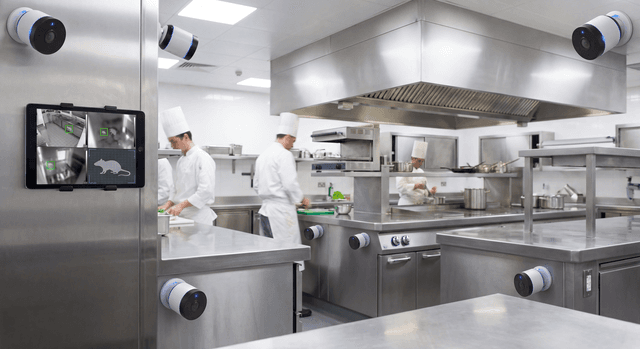
Bastet's AI systems use strategically placed cameras and sensors to create a comprehensive monitoring network. The technology can identify:
- Rodent activity: Mice, rats, and other rodents with 95% accuracy
- Insect patterns: Roaches, ants, and other common pests
- Behavior analysis: Understanding pest movement patterns and nesting behavior
- Environmental correlation: Linking pest activity to specific conditions (temperature, humidity, food sources)
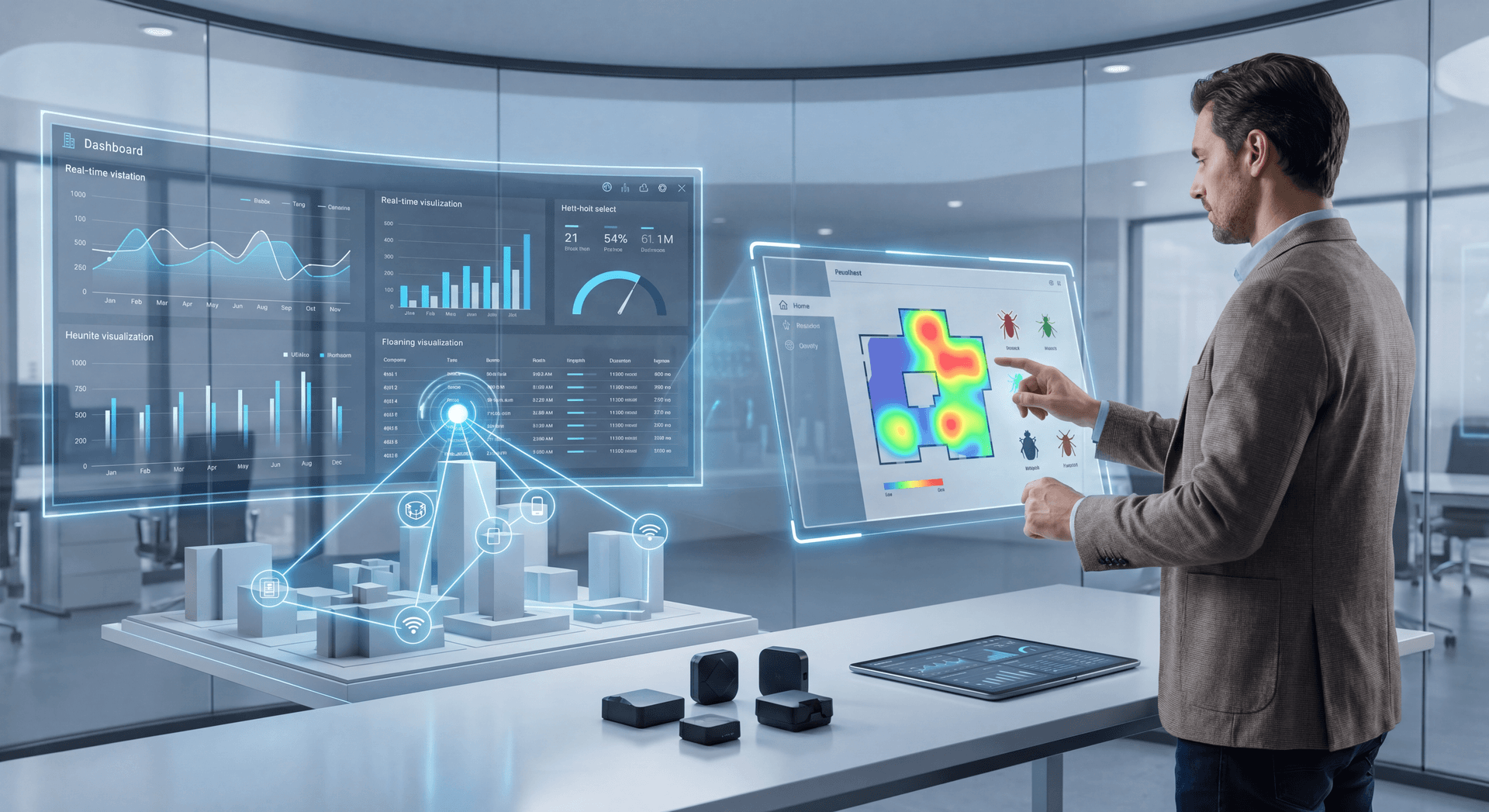
The system processes video feeds continuously, analyzing frames for pest-specific characteristics. When a pest is detected, the system immediately alerts facility managers through multiple channels, including mobile notifications, email alerts, and integration with building management systems.
Precision Targeting vs. Broad Treatment
The key difference between conventional and AI-powered pest control lies in targeting precision. Traditional methods often treat entire buildings or zones, while AI systems can pinpoint:
- Exact locations: Specific rooms, equipment areas, or corridors where pests are active
- Treatment timing: Only when pests are present, not on a fixed schedule
- Method selection: Choosing the most appropriate intervention (mechanical, biological, or targeted chemical)
- Resource optimization: Directing pest control resources only where they're needed
This precision eliminates approximately 80% of unnecessary pesticide applications while maintaining or improving effectiveness.
IoT Integration: Creating Smart Ecosystems
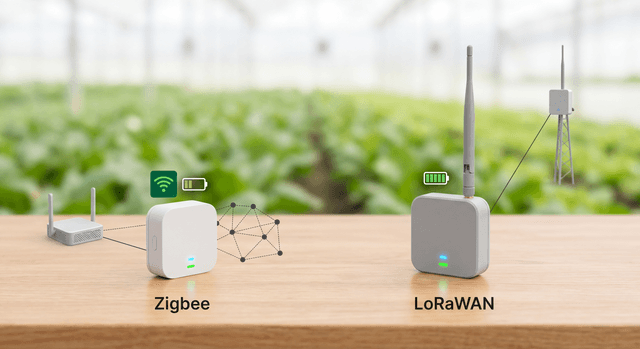
Beyond computer vision, IoT sensors play a crucial role in green pest control by providing environmental context that helps prevent pest infestations before they occur.
Environmental Monitoring
IoT sensors continuously track conditions that influence pest activity:
- Temperature and humidity: Many pests thrive in specific temperature ranges
- Moisture levels: Essential for many insects and rodents
- Air quality: Can indicate pest activity or nesting
- Light patterns: Some pests are light-sensitive and others prefer darkness
By understanding these environmental factors, facility managers can make informed decisions about:
- Preventive measures: Adjusting environmental conditions to deter pests
- Early intervention: Taking action when conditions become favorable for pests
- Resource allocation: Prioritizing high-risk areas for monitoring
Automated Response Systems
The integration of IoT with AI enables automated response systems that can address pest issues without human intervention:
- Seal activation: Automatic door closures when pest activity is detected
- Climate control: Adjusting temperature/humidity to deter pests
- Light management: Using light patterns to repel certain pests
- Notification systems: Instant alerts to maintenance staff with specific location details
Case Study: Reducing Chemical Usage by 85% in a Healthcare Facility
A major hospital network implemented Bastet's AI-powered pest control system across 15 facilities. The results were dramatic:
Before Implementation
- Monthly chemical treatments for all facilities
- Quarterly full-building inspections
- Average chemical usage: 120 gallons per facility annually
- Pest-related complaints: 8-10 per month per facility
- Treatment costs: $15,000 per facility annually
After Implementation
- Targeted treatments only when pests detected
- AI-monitored areas only, no routine treatments
- Average chemical usage: 18 gallons per facility annually (85% reduction)
- Pest-related complaints: 1-2 per month per facility (80% reduction)
- Treatment costs: $3,500 per facility annually (77% reduction)
The hospital not only achieved significant cost savings but also improved patient satisfaction by reducing chemical exposure and minimizing disruption to daily operations.
The Economics of Green Pest Control
One of the most compelling arguments for AI-powered pest control is the strong return on investment. While the initial investment in monitoring systems may be higher than traditional pest control, the long-term savings are substantial.
Direct Cost Savings
- Chemical Reduction: Facilities typically see 70-90% reductions in pesticide purchases
- Labor Efficiency: Eliminating routine inspections saves 40-60 hours per month
- Reduced Disruption: Targeted treatments minimize business interruptions
- Lower Waste: Reduced packaging and disposal of chemical containers
Indirect Benefits
- Improved Air Quality: Reduced chemical exposure creates healthier indoor environments
- Regulatory Compliance: Easier adherence to environmental regulations
- Brand Reputation: Enhanced sustainability credentials for tenants and visitors
- Risk Reduction: Lower liability concerns related to chemical exposure
ROI Metrics
Most facilities achieve full ROI within 18-24 months, with ongoing annual savings of 40-60% compared to traditional pest control methods.
Implementing AI-Powered Green Pest Control
For organizations considering this transition, the implementation process follows these key steps:
Assessment and Planning
- Current state analysis: Evaluating existing pest control practices and challenges
- Risk assessment: Identifying high-risk areas and critical zones
- Goal setting: Establishing specific targets for chemical reduction and efficiency
- Budget planning: Calculating investment requirements and expected returns
Technology Installation
- Sensor placement: Strategic positioning of cameras and IoT devices
- System integration: Connecting with existing building management systems
- Configuration: Setting up detection parameters and alert thresholds
- Testing: Validating accuracy and responsiveness
Training and Optimization
- Staff education: Training maintenance and facilities teams on new systems
- Protocol development: Creating response procedures for different pest scenarios
- Continuous monitoring: Adjusting systems based on actual performance
- Documentation: Establishing procedures for record-keeping and compliance
Challenges and Considerations
While the benefits are significant, organizations should be aware of several considerations:
Initial Investment
- Upfront costs for hardware and software installation
- Potential need for infrastructure upgrades (network capacity, power outlets)
- Training and implementation expenses
System Integration
- Compatibility with existing building management systems
- Data management requirements and storage considerations
- Integration with maintenance and operational workflows
Change Management
- Transitioning from traditional to data-driven pest control
- Adapting staff workflows and responsibilities
- Managing expectations and demonstrating value
Future Directions in AI-Powered Green Pest Control
The field continues to evolve with several exciting developments:
Predictive Analytics
Advanced AI systems can now predict pest outbreaks based on historical data, weather patterns, and environmental conditions, enabling even more proactive and preventative approaches.
Biological Integration
Combining AI detection with biological controls, such as introducing natural predators or using pheromone-based treatments, creating truly integrated pest management systems.
Smart Building Integration
Future systems will integrate with smart building technologies to automatically adjust environmental conditions, implement containment protocols, and coordinate maintenance activities.
Conclusion: The Path to Sustainable Pest Management
AI-powered pest control represents a fundamental shift from reactive, chemical-intensive approaches to proactive, data-driven management. By combining computer vision, IoT sensors, and advanced analytics, facilities can achieve dramatic reductions in chemical usage while improving detection accuracy and response times.
The economic and environmental benefits are clear: significant cost savings, reduced environmental impact, improved occupant health, and enhanced operational efficiency. For facility managers and pest control professionals, embracing this technology isn't just about doing good—it's about doing business better.
As sustainability becomes increasingly important to tenants, investors, and regulators, AI-powered green pest control is moving from a nice-to-have to a must-have capability. Organizations that adopt this approach early will gain competitive advantages while contributing to a more sustainable future.
The transition to AI-powered pest control is more than just an upgrade—it's a fundamental rethinking of how we manage pests, protect facilities, and care for our environment. With the right technology and approach, we can achieve pest-free environments without the chemical burden.
Ready to transform your pest control approach? Visit bastet-tech.ai to learn how AI-powered monitoring can reduce your chemical usage while improving detection accuracy and cost efficiency.