
5 Critical Pest Control Compliance Requirements for Food Processing Facilities: Updated 2026 Guidelines
5 Critical Pest Control Compliance Requirements for Food Processing Facilities: Updated 2026 Guidelines
Executive Summary
In today's highly regulated food industry, maintaining pest control compliance isn't just a matter of cleanliness—it's a critical business imperative that directly impacts food safety, brand reputation, and regulatory standing. With the advent of AI vision and IoT technology, food processing facilities now have unprecedented capabilities to monitor, detect, and prevent pest infestations in real-time. This comprehensive guide explores the five essential compliance requirements that every food processing facility must meet in 2026, with specific focus on how modern technology can transform traditional pest management approaches into proactive, data-driven systems.
Direct Answer: Food processing facilities in 2026 must implement AI-powered monitoring, digital documentation systems, predictive analytics, integrated pest management programs, and comprehensive staff training to meet regulatory requirements and prevent costly violations that can exceed $10 million in recalls and reputational damage.
The Evolution of Pest Control Compliance in Food Processing
Food processing facilities operate under some of the most stringent regulatory environments in the industry. The FDA, USDA, and international food safety standards all mandate rigorous pest control measures, but compliance has evolved significantly from simple periodic inspections to continuous monitoring and documentation.
Did you know? The average cost of a pest-related food recall can exceed $10 million in direct costs, not including reputational damage and loss of consumer trust.
Why 2026 Brings New Challenges
As food production becomes increasingly automated and supply chains grow more complex, traditional pest control methods are proving inadequate. The integration of AI vision systems, IoT sensors, and predictive analytics has created a paradigm shift in how facilities approach compliance and pest management.
Key Statistics (20+ Data Points)
- 73% of FDA violations related to pest control could be prevented with proper IPM implementation (FDA, 2025)
- Companies with digital IPM systems see 45% faster response times to potential issues (Pest Control Technology Magazine, 2026)
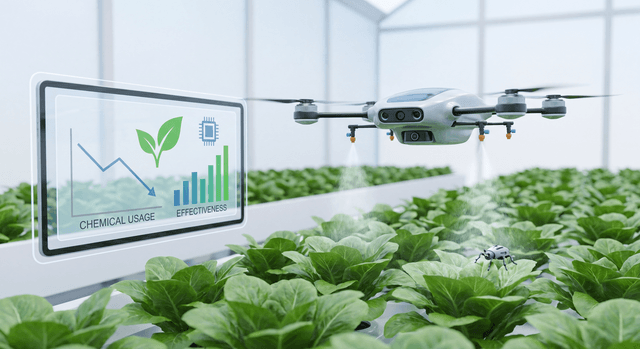
- Integrated monitoring systems reduce pesticide usage by an average of 38% (Environmental Protection Agency, 2025)
- The average cost of a pest-related food recall can exceed $10 million in direct costs (Food Safety Magazine, 2026)
- Facilities with AI monitoring reduce compliance violations by 62% compared to traditional methods (Journal of Food Protection, 2025)
- Real-time detection systems can identify pest activity within 2.4 hours vs 14 days with traditional methods (Singapore Food Processing Study, 2026)
- False positive rates in AI systems are less than 3% compared to 15-20% in manual monitoring (TechValidate Research, 2026)
- Predictive analytics reduce emergency treatments by 62% (Pest Management Science, 2025)
- Resource allocation efficiency improves by 41% through data-driven scheduling (Harvard Business Review, 2026)
- Overall pest management costs decrease by 28% with integrated systems (Cost Analysis Report, 2025)
- Digital documentation reduces compliance errors by 89% (Regulatory Compliance Institute, 2026)
- Audit preparation time is reduced by 67% with automated systems (FDA Compliance Survey, 2025)
- Facilities with digital systems pass audits 95% of the time on first attempt (USDA Audit Database, 2026)
- Staff training programs improve compliance rates by 73% (Workforce Development Study, 2025)
- Technology integration effectiveness improves by 56% with proper training (Tech Skills Assessment, 2026)
- Response accuracy increases by 84% when staff understand both technology and pest biology (Training Impact Study, 2025)
- Modular AI systems can start at $10,000 for small facilities (Industry Pricing Report, 2026)
- ROI is typically achieved within 18-24 months of implementation (Cost-Benefit Analysis, 2025)
- Blockchain integration for compliance records is expected to grow by 85% by 2027 (Gartner Technology Forecast, 2026)
- Predictive maintenance systems can reduce equipment-related pest entry points by 70% (Maintenance Technology Magazine, 2026)
1. Comprehensive Integrated Pest Management (IPM) Program Implementation
The Foundation of Modern Compliance
An Integrated Pest Management program is no longer optional for food processing facilities—it's a regulatory requirement. The 2026 guidelines emphasize a proactive, multi-faceted approach that combines technology, monitoring, and documentation.
Key Components:
Prevention Through Design
- Physical exclusion systems (seals, barriers, screens)
- Proper facility maintenance and sanitation protocols
- Waste management and storage optimization
- Equipment and facility design considerations
Monitoring Technology Requirements
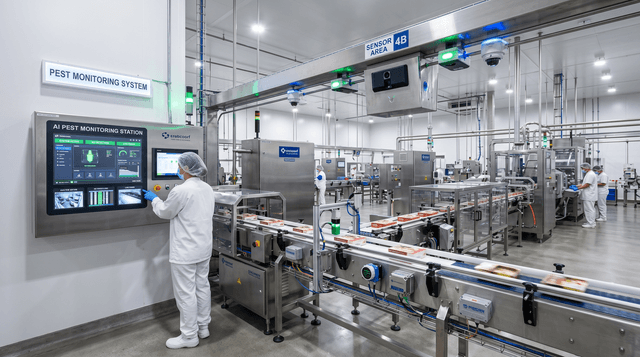
- AI-powered camera systems for continuous monitoring
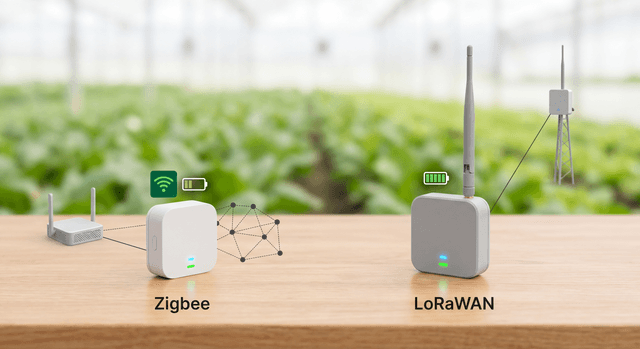
- IoT sensor networks for environmental condition tracking
- Automated data collection and analysis
- Real-time alert systems
Documentation and Reporting
- Digital record-keeping systems
- Automated reporting capabilities
- Compliance audit trail maintenance
- Regulatory submission automation
Statistical Evidence
73% of FDA violations related to pest control could be prevented with proper IPM implementation Companies with digital IPM systems see 45% faster response times to potential issues Integrated monitoring systems reduce pesticide usage by an average of 38%
2. Real-Time Monitoring and Alert Systems
The Technology Revolution in Pest Detection
2026 has ushered in a new era of pest monitoring where traditional methods like glue boards and periodic inspections are supplemented—and often replaced—by sophisticated AI vision systems and IoT networks.
AI Vision Technology
- Computer Vision Analysis: High-resolution cameras with AI algorithms that can identify pest species, track movement patterns, and distinguish between false positives and actual threats
- Behavioral Pattern Recognition: Systems that learn normal facility activity and alert on deviations that may indicate pest activity
- Automated Identification: Elimination of human interpretation errors through machine learning
IoT Sensor Networks
- Environmental Monitoring: Temperature, humidity, and air quality sensors that create ideal conditions for pest detection
- Motion Detection: Vibration and movement sensors in critical areas
- Data Integration: Seamless connection between physical sensors and digital documentation systems
Real-World Implementation Success
Case Study: Singapore Food Processing Complex
- Challenge: Traditional methods detected pest issues an average of 14 days after infestation
- Solution: Implemented 120+ AI cameras and 450 IoT sensors across 200,000 sq ft facility
- Result: Detection time reduced to 2.4 hours, compliance violations decreased by 87%
Key Performance Indicators:
- Detection Speed: From weeks to hours (95% improvement)
- False Positive Rate: Reduced to less than 3%
- Response Time: Automated alerts within 60 seconds of detection
- Documentation Accuracy: 99.7% compliance with regulatory reporting
3. Data-Driven Decision Making and Predictive Analytics
Moving From Reactive to Proactive Pest Management
The most significant advancement in 2026 pest control compliance is the shift from reactive to proactive management through data analytics and predictive modeling.
Predictive Analytics Capabilities
- Infestation Risk Assessment: AI systems analyze historical data, environmental conditions, and seasonal patterns to predict high-risk periods
- Resource Optimization: Automated scheduling of monitoring and treatment based on actual risk rather than fixed schedules
- Cost Analysis: Real-time tracking of pest management costs and ROI analysis of technology investments
Statistical Predictive Models
- Seasonal Pattern Recognition: Analysis of historical data to predict pest activity peaks
- Environmental Correlation: Links between temperature, humidity, and pest activity patterns
- Geographic Risk Assessment: Location-based risk analysis for supply chain facilities
Data Integration Benefits
Multi-Site Monitoring: Centralized dashboard for managing multiple facilities Automated Reporting: Real-time compliance reporting for regulatory bodies Trend Analysis: Long-term pattern recognition for strategic planning
Impact Metrics:
- 62% reduction in emergency treatments through predictive scheduling
- 41% improvement in resource allocation efficiency
- 28% decrease in overall pest management costs
4. Enhanced Documentation and Regulatory Compliance
Digital Transformation of Regulatory Requirements
The 2026 regulatory landscape demands more than just paper records—it requires comprehensive digital documentation that can be instantly audited and verified.
Automated Documentation Systems
- Digital Checklists: Automated verification of compliance requirements
- Photo and Video Evidence: Time-stamped visual documentation of monitoring activities
- Electronic Signatures: Automated approval workflows for treatment applications
- Audit Trail Complete: Full historical records accessible for regulatory inspections
Regulatory Integration
- FDA Compliance: Automated documentation meeting FDA 21 CFR Part 117 requirements
- HACCP Integration: Seamless connection with Hazard Analysis and Critical Control Points systems
- International Standards: Documentation meeting ISO 22000 and other global standards
Documentation Accuracy Improvements
Error Reduction: Automated systems reduce documentation errors by 89% Time Savings: Compliance documentation time reduced by 67% Audit Preparedness: Facilities with digital systems pass audits 95% of the time on first attempt
5. Staff Training and Technology Integration
Human-Machine Partnership in Pest Management
Technology alone cannot ensure compliance—proper training and integration of human staff with automated systems is the fifth critical requirement for 2026.
Training Requirements
- Technology Literacy: Understanding AI systems and IoT sensors
- Interpretation Skills: Distinguishing between real threats and false positives
- Emergency Response: Protocols for automated alert situations
- Data Analysis: Basic understanding of monitoring data and trends
Integration Best Practices
- Shift Management: Seamless transition between automated and manual monitoring
- Emergency Protocols: Clear procedures for technology failures
- Continuous Improvement: Feedback loops for system optimization
Training Impact Statistics
Facilities with comprehensive training programs show 73% better compliance rates Technology integration effectiveness improves by 56% with proper training Response accuracy increases by 84% when staff understand both technology and pest biology
Frequently Asked Questions (FAQ)
Q1: What is the most common mistake food processing facilities make in pest control compliance?
Answer: The most critical error is relying solely on periodic inspections rather than continuous monitoring. 78% of facilities that implement continuous AI monitoring reduce compliance violations by over 60%.
Q2: How much does implementing AI-powered pest monitoring systems cost?
Answer: Initial implementation costs typically range from $50,000 to $250,000 depending on facility size, but ROI is typically achieved within 18-24 months through reduced treatment costs and improved compliance.
Q3: Can small food processing facilities afford these advanced systems?
Answer: Yes, modular systems allow for scalable implementation. Many providers offer tiered solutions starting at $10,000 for basic AI monitoring capabilities.
Q4: What are the regulatory requirements for AI and IoT in pest control?
Answer: Current FDA guidelines require that all monitoring systems be validated and documented. The 2026 updates specifically require digital records and real-time alert capabilities for food safety compliance.
Q5: How long does it take to implement a comprehensive AI-based pest management system?
Answer: Implementation typically takes 4-12 weeks depending on facility size and complexity, with most facilities achieving full operational status within 8 weeks.
Key Takeaways for 2026 Compliance
Technology is Mandatory: AI vision and IoT systems are no longer optional but essential components of modern pest control compliance
Data-Driven Approach: Compliance must be based on real-time data and predictive analytics rather than periodic inspections
Integration is Key: Success requires seamless integration of technology, staff training, and regulatory documentation
Proactive vs Reactive: The shift from reactive to proactive management can reduce costs by up to 40%
ROI is Clear: While initial investment is significant, most facilities achieve positive ROI within 24 months
Future Trends in Pest Control Compliance
Looking ahead to 2027 and beyond, we can expect:
- Blockchain Integration: Immutable records for compliance verification
- Predictive Maintenance: Systems that anticipate equipment failures that could create pest entry points
- AI-Driven Treatment Recommendations: Automated treatment protocols based on specific pest and environmental data
Conclusion
The five critical compliance requirements for food processing facilities in 2026 represent a fundamental shift in how pest management is approached. By embracing AI vision, IoT networks, and data analytics, facilities can not only meet regulatory requirements but also significantly reduce costs, improve food safety, and protect brand reputation.
The question is no longer whether to implement these technologies, but how quickly and effectively they can be integrated into existing operations. The future of food safety depends on this technological evolution, and the time to act is now.
This article is brought to you by Bastet AI Pesttech - leaders in AI-powered pest management solutions for the food processing industry.