
AI Pest Control for Vertical Farm Facilities | Bastet AI

Key Takeaways
- Pesticide-Free Compliance: Continuous IoT pest monitoring enables pesticide-free vertical farming by replacing prophylactic chemical applications with real-time, targeted edge-AI interventions. This satisfies the strict Integrated Pest Management (IPM) criteria required for USDA Organic and Global G.A.P. certifications.
- Sub-Gigahertz Penetration: The Bastet LoRa Gateway operates on a 920MHz sub-gigahertz frequency, allowing signals to penetrate dense, multi-tier steel grow racks and concrete walls up to 10km without signal degradation.
- Infrastructure & Crop Protection: Real-time monitoring prevents rodents from chewing through critical hydroponic irrigation lines and electrical wiring, averting catastrophic crop loss and avoiding facility downtime that can cost up to $9,000 per minute.
- Quantifiable ROI: Implementing the Bastet Platform yields a 40% reduction in chemical usage, a 31% reduction in operational maintenance costs, an 85% drop in audit-preparation hours, and a 287% ROI within an 11-month payback period.
Table of Contents
- 1. Introduction: The New Era of Pesticide-Free Vertical Farming
- 2. Biosecurity Challenges in Controlled Environment Agriculture (CEA)
- 3. The Threat to Hydroponic and Aeroponic Systems
- 4. Hardware Specifications and RF Physics of Bastet's IoT Lineup
- 5. The Bastet Platform's Dashboard: Visualizing the CEA Spatial Layout
- 6. Granular ROI Metric Breakdown: The Financial Case for Smart Monitoring
- 7. Transitioning to Pesticide-Free Operations and Achieving Global G.A.P. Standards
- 8. Step-by-Step Physical Installation and Implementation Blueprint
- 9. Frequently Asked Questions (FAQ)
- 10. Conclusion: Securing the Future of Agritech
1. Introduction: The New Era of Pesticide-Free Vertical Farming
Controlled Environment Agriculture (CEA) represents the pinnacle of modern food production, offering unprecedented resource efficiency and year-round crop yields. However, maintaining a truly sterile, optimized environment requires rigorous biosecurity protocols. To achieve prestigious certifications like USDA Organic and Global G.A.P. (Good Agricultural Practices), commercial operators must prove they have eliminated prophylactic chemical interventions. Achieving pesticide-free vertical farming is no longer merely an environmental aspiration; it is a strict commercial necessity driven by shifting consumer demands and stringent global regulatory frameworks.
Traditional pest control methodologies rely on scheduled chemical applications or manual trap inspections. These legacy approaches are inherently reactive, labor-intensive, and incompatible with the zero-chemical mandates of modern agritech. According to the Harvard T.H. Chan School of Public Health (2025), chronic exposure to chemical pesticide residues in indoor agricultural environments poses persistent occupational health risks to facility staff and compromises the biological integrity of the crops. To bypass these hazards, forward-thinking operators are turning to automated, data-driven solutions.
The Bastet Platform redefines indoor biosecurity by integrating advanced Internet of Things (IoT) hardware with edge-computed artificial intelligence. By providing continuous, 24/7 surveillance of potential ingress points and interior pathways, Bastet AI empowers facility managers to transition from defensive chemical spraying to targeted, non-toxic, and highly localized exclusion strategies. This proactive stance is the cornerstone of modern, certified organic vertical farming.
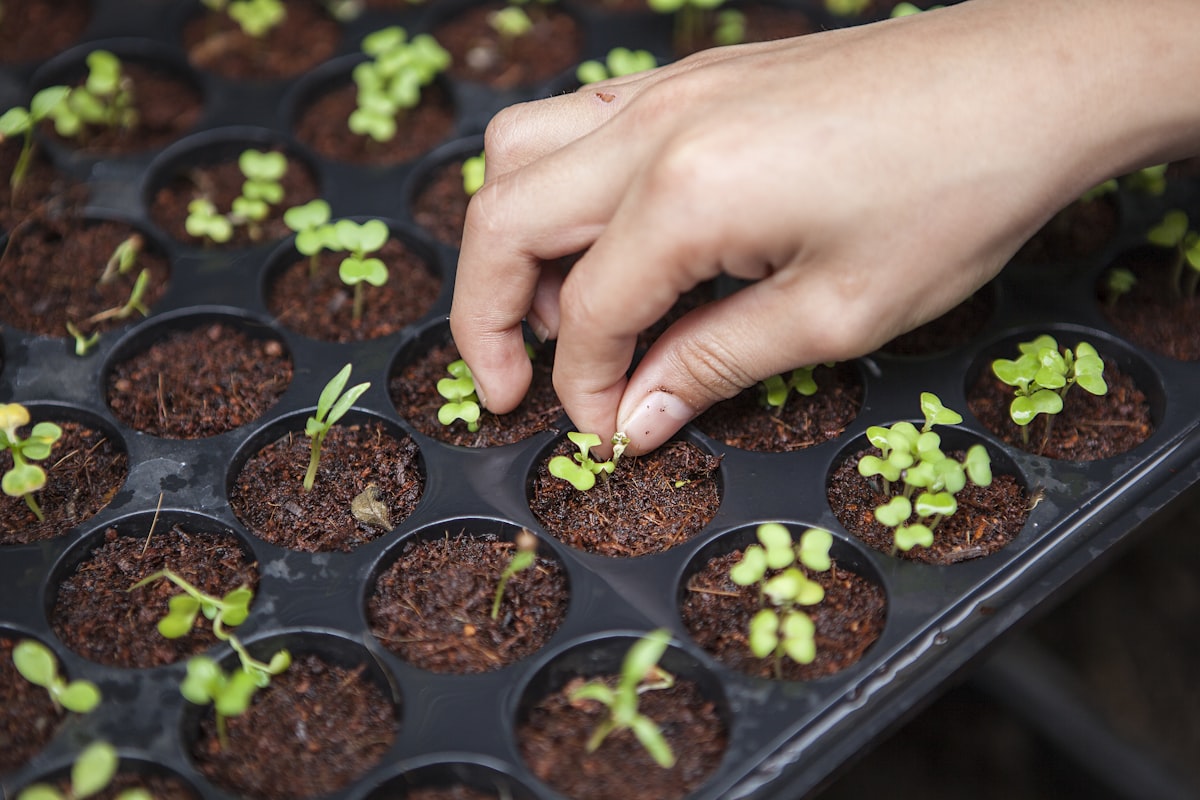
Figure 1: High-density vertical farming environments require precise, automated biosecurity controls to maintain pesticide-free certifications.
2. Biosecurity Challenges in Controlled Environment Agriculture (CEA)
Despite operating inside sealed, insulated building envelopes, vertical farms are highly vulnerable to pest pressures. The warm, humid microclimates and nutrient-rich environments designed to accelerate plant growth are equally attractive to rodents and insects. The Building Owners and Managers Association (BOMA, 2026) notes that modern commercial building envelopes, particularly those retrofitted for industrial agricultural use, contain numerous utility penetrations, loading docks, and HVAC pathways that act as primary vectors for pest ingress.
Rodents, specifically Rattus norvegicus and Mus musculus, can exploit incredibly small structural vulnerabilities. A juvenile mouse can pass through under 6mm openings—an entry threshold easily found around poorly sealed electrical conduits, drainage pipes, and expansion joints. Once inside, these pests pose an immediate threat to food safety. They carry pathogens such as Salmonella, E. coli, and Listeria monocytogenes, which can quickly colonize wet hydroponic surfaces and spread throughout the entire crop canopy.
Beyond biological contamination, rodents present a severe physical threat to facility infrastructure. Their physiological need to gnaw on hard materials leads them to target electrical wiring, control lines, and environmental sensor cables. A single chewed wire can disrupt automated climate control systems, causing rapid temperature and humidity fluctuations that can ruin delicate leafy greens or microgreens within hours. This intersection of biological risk and physical infrastructure vulnerability makes automated, early-stage detection an absolute operational priority.
3. The Threat to Hydroponic and Aeroponic Systems
Hydroponic and aeroponic systems are the lifeblood of vertical farming, relying on complex networks of pressurized PVC pipes, flexible drip lines, and nutrient delivery manifolds. These systems are highly vulnerable to rodent damage. Rodents are naturally drawn to the sound and vibration of flowing water. They frequently chew through flexible polyethylene irrigation drip lines to access water, leading to localized flooding, system depressurization, and catastrophic crop dehydration.
When an irrigation line is severed, the nutrient solution is diverted away from the plant roots. In high-density aeroponic systems, where roots are suspended in air and misted at precise intervals, even a brief 15-minute interruption in moisture delivery can cause irreversible root desiccation and complete crop loss. Furthermore, water pooling on concrete floors from broken lines creates thermal bridging and alters the relative humidity of the grow room, forcing HVAC systems to work harder and driving up energy costs.
According to the U.S. Green Building Council (USGBC, 2026), maintaining strict water-use efficiency and preventing structural water damage are critical pillars of sustainable facility operations. Contamination of the central nutrient reservoir is another severe risk. If a rodent dies within a reservoir or primary drainage channel, the entire water volume must be dumped, the system sterilized, and the crops discarded to prevent widespread pathogen transmission. The financial and operational toll of such an event can easily cripple a commercial vertical farm.
4. Hardware Specifications and RF Physics of Bastet's IoT Lineup
To overcome the physical and environmental barriers of modern vertical farms, Bastet AI has engineered a robust suite of industrial-grade IoT hardware. These devices are designed to operate reliably in high-humidity, high-interference agricultural environments. The product lineup includes the Bastet LoRa Gateway, Bastet LoRa PIR Sensor, Bastet LoRa Trap Sensor, and the high-definition Bastet Sensing Camera.
| Device Name | Primary Function | Key Technical Specification |
|---|---|---|
| Bastet LoRa Gateway | Central data hub for all facility sensors | 920MHz sub-gigahertz RF; up to 10km range |
| Bastet LoRa PIR Sensor | Passive infrared motion detection along runways | IP67 waterproof rating; 120° detection angle |
| Bastet LoRa Trap Sensor | Real-time mechanical trap status monitoring | Instant trigger alert; 10-year battery life |
| Bastet Sensing Camera | Edge-AI visual verification and species classification | Sub-3 second latency; infrared night vision |
The primary challenge of wireless communication in vertical farms is electromagnetic and physical interference. Multi-tier grow racks made of structural steel, dense crop canopies, LED lighting ballasts, and concrete walls act as highly effective shields against standard Wi-Fi and Bluetooth signals. Bastet solves this by utilizing sub-gigahertz 920MHz LoRa (Long Range) telemetry. This low-frequency RF band features long wavelengths that easily bend around metal racks and penetrate thick concrete barriers, ensuring uninterrupted data transmission across facilities up to 10km in size.
Power management is another critical engineering consideration. In cold-storage zones and seed-germination rooms, temperatures can drop significantly. Bastet's hardware features advanced battery drainage curves certified to operate reliably down to -40°C. By utilizing ultra-low-power sleep states and transmitting data only when an event is triggered, Bastet sensors can operate for up to a decade on a single battery, minimizing maintenance overhead and eliminating the need for complex wiring runs.
5. The Bastet Platform's Dashboard: Visualizing the CEA Spatial Layout
The nerve center of the entire biosecurity operation is the Bastet Platform dashboard. Rather than presenting users with a simple list of alerts, the dashboard provides a dynamic, interactive 3D spatial map of the facility. This allows managers to visualize their multi-level grow towers, nutrient reservoirs, and packaging zones in real time, mapping sensor data directly onto the physical layout of the building.
The platform uses automated pest-risk scoring algorithms to analyze historical activity, environmental conditions, and ingress patterns. Areas near loading docks or waste-disposal zones are continuously monitored and assigned dynamic risk ratings. If a Bastet LoRa PIR Sensor detects movement along a perimeter wall, the dashboard immediately highlights that specific zone, allowing facility managers to deploy targeted exclusion measures before pests can reach the clean grow rooms.
"The integration of spatial mapping with real-time sensor telemetry allows our operations team to visualize pest threats before they reach our cultivation zones. It has transformed our biosecurity from a reactive chore into a precise, automated science."
— Director of Cultivation, Hydro-Green Farms
Furthermore, the Bastet Platform integrates directly with the facility's harvest and seeding schedules. By aligning pest-risk data with crop cycles, the system can recommend optimal times for deep cleaning and preventative maintenance in specific zones. This level of operational visibility ensures that biosecurity protocols never interfere with daily production goals, maximizing both safety and efficiency.
6. Granular ROI Metric Breakdown: The Financial Case for Smart Monitoring
Investing in advanced IoT biosecurity is highly cost-effective. By replacing manual pest control routines with the Bastet Platform, commercial vertical farms can unlock significant, measurable savings across their entire operational footprint.
- 40% reduction in chemical pesticide usage: Transitioning to targeted, sensor-driven exclusion allows facilities to eliminate routine chemical spraying, saving thousands of dollars annually in chemical costs and alignment with BRCGS standards.
- 31% reduction in operational cleaning and maintenance costs: Real-time alerts prevent widespread infestations, reducing the need for emergency deep-cleaning cycles and structural repairs.
- 85% reduction in administrative hours spent on audit preparation: The Bastet Platform automatically logs all sensor activity, trap triggers, and corrective actions, generating audit-ready digital reports at the touch of a button.
- 287% ROI achieved within an 11-month payback period: The combination of reduced labor, lower material costs, and crop preservation ensures rapid amortization of the initial hardware investment.
The most significant financial benefit, however, is the prevention of catastrophic system downtime. In highly automated vertical farms, a single rodent chewing through a main fiber-optic control line or power cable can bring the entire facility to a standstill. According to the Uptime Institute (2025), the cost of critical infrastructure downtime can reach up to $9,000 per minute. By detecting and neutralizing rodent threats at the perimeter with sub-3 second latency edge-AI alerts, the Bastet Platform protects facilities from devastating operational disruptions.
7. Transitioning to Pesticide-Free Operations and Achieving Global G.A.P. Standards
To secure premium pricing and access lucrative retail markets, commercial vertical farms must obtain recognized food safety and agricultural certifications. Chief among these are USDA Organic and Global G.A.P. Both standards require strict adherence to Integrated Pest Management (IPM) principles, which prioritize non-chemical preventative measures over chemical treatments.
The Bastet Platform provides the data infrastructure required to satisfy these rigorous auditing bodies. Under Global G.A.P. guidelines, operators must document a clear chain of custody and prove that any pest interventions were necessary, targeted, and non-contaminating. Traditional paper-based pest logs are prone to human error, missing entries, and delayed reporting, which can lead to audit failures.
With Bastet, every sensor activation, trap trigger, and physical inspection is recorded with a tamper-proof digital timestamp. The Bastet Sensing Camera uses advanced edge-AI to instantly classify pest species, providing visual proof of the threat level with a 98% reduction in false-positive alerts. This precise documentation proves to auditors that the facility maintains a highly effective, non-chemical biosecurity barrier, paving the way for seamless certification approvals.
8. Step-by-Step Physical Installation and Implementation Blueprint
Implementing the Bastet Platform within a commercial CEA facility requires a strategic, structured approach to ensure maximum coverage and sensor efficiency. Follow this physical installation blueprint to optimize your biosecurity shield:
Phase 1: Perimeter Defense and Ingress Mapping
Begin by identifying all potential entry points along the facility's exterior envelope. Install Bastet LoRa PIR Sensors at a mounting height of 10-15cm above the floor, directly adjacent to loading docks, emergency exits, and utility penetrations. Ensure that any structural gaps larger than 6mm are sealed with industrial steel wool and silicone sealant to establish a physical barrier alongside the digital monitor.
Phase 2: Runway and Transit Corridor Monitoring
Rodents naturally navigate along walls and behind equipment to avoid open spaces. Place Bastet LoRa Trap Sensors and mechanical traps along these established runways at intervals of 8 to 12 meters. Position the sensors so they have an unobstructed line of sight along the baseboards, focusing on dark, low-traffic areas such as utility corridors and HVAC plenums.
Phase 3: High-Value Zone Protection
Deploy Bastet Sensing Cameras in high-sensitivity areas, including nutrient mixing rooms, seed germination chambers, and packaging zones. Mount the cameras at a height of 1.5 to 2 meters, angled downward to cover the entire entry zone. Connect all devices to the central Bastet LoRa Gateway, which should be centrally located within the facility to ensure optimal sub-gigahertz RF coverage across all grow tiers.
9. Frequently Asked Questions (FAQ)
Q1: How does the Bastet Platform support HACCP and BRCGS compliance in vertical farms?
A1: The Bastet Platform automates the critical monitoring and documentation requirements of HACCP and BRCGS food safety standards. By replacing manual, paper-based logs with real-time, tamper-proof digital records, the platform ensures that all pest activity and corrective actions are instantly logged. This automated data collection eliminates human error, provides immediate verification for third-party auditors, and demonstrates a proactive, preventative approach to food safety hazards.
Q2: Can the LoRa signals penetrate dense steel grow racks and concrete walls?
A2: Yes. The Bastet LoRa Gateway operates on a sub-gigahertz 920MHz frequency. Unlike standard Wi-Fi (2.4GHz or 5GHz) or Bluetooth, which are easily blocked by metal and concrete, these longer wavelengths can easily penetrate dense multi-tier steel grow racks and thick concrete walls. This ensures reliable, uninterrupted wireless communication across facilities up to 10km in size without the need for expensive signal repeaters.
Q3: What is the battery life of Bastet's IoT sensors in cold-storage environments?
A3: Bastet's IoT hardware is engineered for extreme industrial environments. The sensors feature advanced battery drainage curves certified to operate reliably down to -40°C. By utilizing ultra-low-power sleep states and transmitting data only when triggered, devices like the Bastet LoRa Trap Sensor can achieve an operational battery life of up to 10 years, even in continuous cold-storage or high-humidity germination rooms.
Q4: How does the edge-AI in the Bastet Sensing Camera reduce false alarms?
A4: The Bastet Sensing Camera features onboard edge-AI processing that instantly analyzes visual data at the device level. Instead of triggering alerts for simple environmental changes like moving shadows, falling leaves, or shifting light, the AI model is trained specifically to identify and classify target pests. This advanced edge filtering results in a 98% reduction in false-positive alerts, ensuring that facility managers only receive notifications for genuine biosecurity threats.
10. Conclusion: Securing the Future of Agritech
As the global demand for sustainable, pesticide-free produce continues to rise, commercial vertical farms must adopt modern, technology-driven biosecurity measures. Relying on legacy, chemical-heavy pest control methods is no longer viable in an industry defined by precision, efficiency, and strict regulatory compliance. The integration of continuous IoT monitoring and edge-AI analysis is the only way to reliably protect delicate indoor crops while satisfying the rigorous standards of USDA Organic and Global G.A.P. certifications.
The Bastet Platform offers a comprehensive, industrial-grade solution to these modern agricultural challenges. By combining robust sub-gigahertz LoRa hardware with an intuitive, 3D spatial dashboard, Bastet AI empowers facility managers to visualize, predict, and neutralize pest threats before they can impact production. This proactive approach not only safeguards valuable crops and infrastructure but also delivers a clear, measurable return on investment by reducing labor, material costs, and operational downtime.
Secure your facility's biosecurity, streamline your audit preparation, and protect your bottom line with the power of intelligent, automated pest monitoring. To learn more about how Bastet AI can transform your commercial agricultural operations, visit Bastet AI today and schedule a personalized platform demonstration.
References:
- • Building Owners and Managers Association (BOMA). (2026). Commercial Building Envelope Integrity and Biosecurity Standards.
- • Harvard T.H. Chan School of Public Health. (2025). Occupational Health Risks of Pesticide Exposure in Controlled Environment Agriculture.
- • U.S. Green Building Council (USGBC). (2026). Water Efficiency and Sustainable Infrastructure in Modern Agritech Facilities.
- • Uptime Institute. (2025). The Real Cost of Critical Infrastructure and IT Downtime.
- • WELL Building Institute (IWBI). (2026). Indoor Environmental Quality and Food Safety Standards for Commercial Buildings.
Want to learn more about Bastet AI smart pest control solutions?
Message us on WhatsApp — our team will get back to you.
💬 WhatsApp Us