What is AI Pest Control? 2026 Guide | Bastet AI
⚡ Key Takeaways (Executive Summary)
- Definition & Scope: AI pest control integrates wireless IoT sensors, edge computer vision, and predictive machine learning algorithms to detect, verify, and intercept pests 24/7 without relying primarily on chemical rodenticides.
- Latency & False Alarm Reduction: Modern AI platforms achieve sub-3-second alert latency with a 98% false-alarm filtering rate, differentiating rodent movement from shadows, debris, and human staff.
- Sub-GHz Connectivity: Industrial LoRa sub-gigahertz (920 MHz) gateways penetrate dense concrete and metallic cold storage panels up to 10 kilometers, overcoming traditional Wi-Fi signal attenuation.
- ESG & Compliance Gains: Automated physical monitoring cuts chemical rodenticide application by over 40%, satisfying BRCGS Issue 9, HACCP, LEED, and WELL health building certifications.
- Financial Protection: Prevents catastrophic cable-chewing downtime—a risk documented by the Uptime Institute at $9,000 per minute in mission-critical facilities and data centers.
What is AI Pest Control? The Direct Definition
AI pest control is an automated, continuous facility protection methodology that leverages wireless Internet of Things (IoT) sensors, edge computer vision, and machine learning models to detect, classify, and track pest intrusions in real time. Unlike legacy pest management—which relies on scheduled manual inspections of passive snap traps and periodic rodenticide baiting every 14 to 30 days—AI pest control operates 24/7/365 as an autonomous digital nervous system. When a rodent or pest enters a monitored zone, optical and passive infrared (PIR) sensors instantly capture biometric data, verify species classification at the local edge, and notify facility managers in under 3 seconds while logging tamper-proof compliance records.
In enterprise operations, AI pest control marks a decisive transition from reactive mitigation (responding to physical sightings or product contamination after damage has occurred) to proactive interception. By pinpointing micro-movements within walls, subfloor plenums, suspended ceilings, and loading docks, automated systems allow facilities directors to neutralize pest activity before colonies establish harbourage, chew mission-critical power lines, or contaminate sterile manufacturing environments.
Table of Contents
- 1. How AI Pest Control Works: The 3-Tier Technology Stack
- 2. AI Pest Control vs. Traditional Pest Control: Side-by-Side Analysis
- 3. Core Business Benefits: Financial ROI, Safety, and ESG
- 4. Key Industry Applications: Where AI Pest Control is Mandatory
- 5. The Bastet Hardware and Intelligence Ecosystem
- 6. Step-by-Step Implementation Blueprint for Operations Teams
- 7. Frequently Asked Questions (FAQ)
- 8. Strategic Conclusion & Next Steps
1. How AI Pest Control Works: The 3-Tier Technology Stack
To deliver continuous visibility across sprawling corporate complexes, an enterprise AI pest control system operates across three coordinated architectural layers: physical IoT sensing, edge intelligence processing, and cloud-driven facility analytics.
Layer 1: The Wireless IoT Sensing Fabric
The foundation of the system consists of ruggedized wireless sensors deployed across known rodent travel runways, dark pipe chases, drop ceilings, and external perimeter docks. Because industrial facilities feature massive steel beams, insulated metal panels (IMPs), and high electromagnetic interference, consumer-grade Wi-Fi and Bluetooth Low Energy (BLE) suffer severe signal loss. Enterprise systems deploy sub-gigahertz LoRa (operating at 920 MHz in Asia-Pacific and 868/915 MHz in Europe/North America) alongside industrial Zigbee mesh networks.
- LoRa Gateway & Transceivers: Sub-GHz RF physics allow signals to penetrate reinforced concrete, multi-layer metallic freezer walls, and underground utility vaults over distances up to 10 kilometers line-of-sight.
- Passive Infrared (PIR) Motion Sensors: Calibrated specifically to detect rodent thermal signatures (37°C to 39°C body temperatures) within narrow 8 cm crevice corridors, ignoring ambient thermal fluctuations.
- Real-Time Trap Sensors: Wireless nodes attached to mechanical snap traps or multi-catch boxes that trigger an instant telemetry burst the millisecond a trap mechanism snaps shut, eliminating rotting carcasses and secondary odor buildup.
Layer 2: Edge Computer Vision & "AI in a Box"
A critical historical barrier to automated monitoring was false-positive alerts caused by falling debris, forklift movements, steam, or human staff. Modern systems solve this using edge computer vision—compact processing units known as AI in a Box connected to high-resolution Sensing Cameras.
Rather than streaming continuous raw video over local networks (which consumes bandwidth and raises severe employee privacy concerns), the Sensing Camera captures high-speed burst frames only upon PIR trigger. The embedded neural network (utilizing lightweight MobileNet or YOLO architectures running on local Neural Processing Units) executes inference on-device in under 50 milliseconds:
- Species Classification: Distinguishes precisely between Rattus norvegicus (Brown Norway rat), Rattus rattus (Roof rat), Mus musculus (House mouse), and non-target pests or insects.
- False-Alarm Suppression: Filters out shadows, moving conveyor belts, and harmless bugs, achieving a verified 98% false-alarm filtering efficiency.
- Privacy-Safe Telemetry: Only anonymized event metadata (species, confidence score, bounding box, timestamp) is transmitted to the server, ensuring full compliance with GDPR and corporate surveillance regulations.
Layer 3: Sticky Trap Image Analysis & Intelligent Dashboard
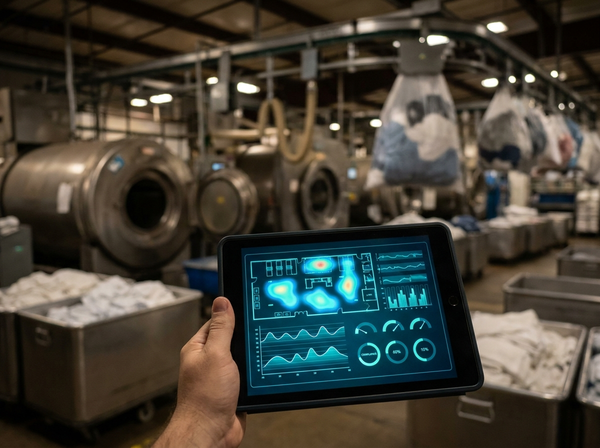
For crawling and flying insect surveillance, facilities utilize AI-powered Sticky Trap Analysis tools. Technicians or fixed optical pods capture images of insect adhesive boards. Computer vision algorithms instantly segment, count, and classify insect specimens across 30+ categories (including German cockroaches, store product beetles, and fruit flies). The cloud dashboard converts raw counts into dynamic infestation density heatmaps, identifying seasonal breeding surges weeks before human inspectors notice visible swarms.
2. AI Pest Control vs. Traditional Pest Control: Side-by-Side Analysis
Traditional Integrated Pest Management (IPM) has remained largely unchanged for four decades: a pest control technician walks through the facility once every two to four weeks, physically inspects dust-covered bait boxes, refills rodenticide blocks, and logs handwritten entries on a clipboard. The table below illustrates why enterprise facilities directors are aggressively replacing this manual protocol with automated AI systems.
| Evaluation Parameter | Traditional Pest Management | Bastet AI Smart Pest Monitoring |
|---|---|---|
| Detection Latency | 14 to 30 days (inspection interval) | Sub-3 seconds (instant alert) |
| Chemical Dependency | High (toxic rodenticide baits & sprays) | Zero/Low (>40% chemical reduction) |
| Monitoring Coverage | Periodic spot checks at floor level | 24/7/365 continuous across all zones |
| False Alarm Handling | Manual verification required | 98% filtered via Edge Computer Vision |
| Data Auditability | Paper logs prone to gaps and human error | Automated, cryptographic audit trails |
| Regulatory Compliance | Manual prep (40+ hours per audit) | 1-click BRCGS/HACCP compliance export |
| Infrastructure Protection | Blind to hidden cable plenums & ducts | Protects server cables & electrical runs |
3. Core Business Benefits: Financial ROI, Safety, and ESG
Adopting AI pest control is rarely an operational expense; for large commercial enterprises, it is a high-return risk mitigation investment that yields measurable financial returns across multiple operational departments.
1. Eliminating Catastrophic Physical Layer Downtime
Rodents possess open-rooted incisors that grow 10 to 14 centimeters per year, compelling them to gnaw continuously on hard materials to prevent tooth overgrowth. Fiber-optic cables, high-voltage electrical conduits, and industrial automation wiring contain plasticizers and soy-based insulation that rodents actively consume. According to research by the Uptime Institute (2025), unexpected data center and mission-critical facility downtime costs an average of $9,000 per minute ($540,000 per hour). A single rat chewing through a centralized trunk line can halt automated warehouse sortation, disrupt airport baggage handling, or trip primary electrical breakers. AI IoT sensors detect rodent presence in cable trays within seconds, allowing maintenance teams to intervene before wiring is severed.
2. Over 40% Reduction in Chemical Rodenticides (ESG & Safety)
Second-generation anticoagulant rodenticides (SGARs) present severe environmental hazards, including bioaccumulation in predatory wildlife and secondary poisoning risks within food production chains. Under international standards such as BRCGS Global Standard for Food Safety Issue 9 and HACCP Clause 8, regulatory bodies strictly prohibit permanent outdoor and indoor toxic baiting. Bastet AI enables facilities to implement non-toxic physical trapping and predictive exclusion, successfully reducing chemical rodenticide usage by more than 40% while enhancing tenant health and securing points toward LEED and WELL certifications.
3. Slashing Audit Preparation Labor by 85%
Preparing for third-party food safety, pharmaceutical GMP, or international biosecurity audits typically consumes hundreds of hours of quality assurance staff time, compiling physical trap binders, service tickets, and pesticide application sheets. Bastet's centralized cloud platform automates the entire documentation pipeline. With a single click, compliance managers export comprehensive date-stamped catch records, temperature logs, trap battery health statuses, and incident resolution histories, slashing audit preparation overhead by up to 85%.
4. Key Industry Applications: Where AI Pest Control is Mandatory
Food Processing & Central Kitchens
In high-throughput food manufacturing and commercial central kitchens, hygiene is non-negotiable. Traditional rodenticides cannot be deployed near open production lines due to direct chemical cross-contamination risks. Bastet IoT LoRa Trap Sensors and Sensing Cameras provide continuous perimeter and ceiling void surveillance. When a trap triggers, cleaning staff receive an automated push notification, ensuring immediate removal within minutes and eliminating insect breeding around decomposing bait.
Logistics, Cold Storage & Distribution Centers
Cold chain distribution centers present extreme physical hurdles. Sub-zero temperatures (-18°C to -25°C) rapidly deplete standard lithium-ion batteries, while thick insulated polyurethane walls block high-frequency Wi-Fi signals. Rodents seeking shelter frequently burrow into cold room insulation panels (IMPs), causing severe thermal bridging and driving refrigeration electricity costs up by 15% to 25%. Bastet's industrial wide-temperature sensors (equipped with lithium-thionyl chloride chemistry operating down to -40°C) and sub-GHz 920 MHz LoRa gateways deliver uninterrupted monitoring throughout deep-freeze environments.
Data Centers & Telecom Cable Landing Stations
Modern cloud facilities house millions of dollars in delicate networking infrastructure. Fiber-optic cabling running beneath raised access flooring is vulnerable to rodent gnawing, which can degrade signal throughput or create total network blackouts. Bastet compact Zigbee and LoRa PIR sensors fit neatly within 8-centimeter subfloor plenums, providing invisible 24/7 coverage without interfering with sensitive server electronics or radio frequency communications.
Semiconductor Cleanrooms & Precision Manufacturing
In semiconductor fabrication plants (fabs) operating under ISO 14644-1 Class 1 to 5 cleanroom conditions, airborne volatile organic compounds (VOCs) and chemical aerosols can ruin multi-million-dollar photolithography optics and silicon wafer batches. Chemical pest control is strictly forbidden. Bastet edge computer vision and smart non-chemical traps offer continuous ingress protection at airlocks and material transfer docks, completely eliminating chemical outgassing risks.
5. The Bastet Hardware and Intelligence Ecosystem
Bastet AI provides a fully integrated hardware and software product portfolio designed specifically for enterprise environments, avoiding third-party vendor incompatibilities:
- Bastet LoRa Gateway: Long-range, carrier-grade sub-GHz IoT base station capable of managing 1,000+ wireless nodes across industrial campuses with built-in cellular 4G/5G failover.
- Bastet LoRa PIR Sensor: High-precision passive infrared motion sensor optimized for rodent thermal radiation profiles, featuring IP67 ingress protection and a 5-year battery life.
- Bastet LoRa Trap Sensor: Universal snap-trap and multi-catch enclosure monitoring node with instantaneous contact-trigger telemetry.
- Bastet Sensing Camera: Compact edge-AI optical sensor engineered for low-light corridors, capturing burst footage upon PIR activation.
- AI in a Box: Edge computing appliance running specialized deep-learning vision models for real-time species recognition and 98% false-alarm filtering.
- Sticky Trap Image Analyze Tool: Automated digital entomology scanner providing instant flying and crawling pest counts, density classification, and species breakdown.
- Bastet Platform Mobile App: Unified iOS and Android operational portal delivering real-time incident alerts, interactive facility floorplans, sensor battery diagnostics, and automated compliance report generation.
6. Step-by-Step Implementation Blueprint for Operations Teams
Deploying AI pest control does not require disruptive facility renovations or rewiring. Operations teams can execute an enterprise rollout following a 4-phase framework:
- Phase 1: Ingress & Pathway Vulnerability Audit: Identify high-risk entry points, such as loading dock roll-up doors, waste compactor rooms, underground conduit penetrations, and expansion joints exceeding 6 mm.
- Phase 2: RF Gateway & Wireless Coverage Mapping: Install centralized Bastet LoRa Gateways to ensure comprehensive RF link coverage across production floors, subfloors, and cold rooms without dead zones.
- Phase 3: Sensor Deployment & Threshold Calibration: Mount LoRa PIR sensors along floor wall-junctions and attach trap sensors to mechanical enclosures. Configure edge AI vision units to monitor high-traffic ingress thresholds.
- Phase 4: Platform Onboarding & Automated Workflows: Connect the Bastet Platform App to maintenance dispatch systems, establish automated SMS/WhatsApp alert escalations for on-duty facility engineers, and configure scheduled weekly audit-ready report exports.
7. Frequently Asked Questions (FAQ)
Q1: How does AI pest control differentiate rodents from shadows or harmless objects?
AI pest control combines dual-stage verification: physical passive infrared (PIR) sensing calibrated to rodent body temperatures (37°C–39°C), followed by optical edge computer vision powered by "AI in a Box." Convolutional neural networks evaluate movement vectors, physical contours, and size thresholds to classify specific rodent species, filtering out 98% of false alarms caused by debris, lighting changes, or human activity.
Q2: Can Bastet AI sensors operate inside sub-zero cold chain freezers?
Yes. Bastet industrial LoRa sensors are built with industrial-grade lithium-thionyl chloride (Li-SOCl2) batteries and IP67 weather-sealed enclosures rated to operate reliably from -40°C to +85°C. Sub-gigahertz 920 MHz radio frequency penetration effortlessly passes through heavily insulated polyurethane freezer panels where standard Wi-Fi and Bluetooth signals fail.
Q3: Does AI pest control eliminate the need for human pest control technicians?
AI pest control does not eliminate human technicians; rather, it supercharges their efficiency. Instead of wasting 90% of their service hours inspecting empty traps and checking dust monitors, technicians receive precise digital notifications telling them the exact trap number, zone, and time of a catch. This shifts operations from blind routine labor to high-impact exclusion, structural sealing, and targeted remediation.
Q4: Does deploying Sensing Cameras violate employee privacy laws like GDPR?
No. Bastet Sensing Cameras do not stream or record continuous video footage. They operate solely on localized edge event triggers, capturing short bursts analyzed entirely on-device by the "AI in a Box" NPU. Video frames containing human staff are immediately discarded; only anonymized metadata (pest classification, confidence score, timestamp) is logged, maintaining full compliance with strict international workplace privacy standards.
Q5: How does AI pest control satisfy food safety audit standards like BRCGS and HACCP?
International food safety standards penalize facilities for unmonitored rodent activity, delayed trap clearing, and indiscriminate toxic chemical usage. Bastet AI provides continuous, tamper-proof time-stamped digital records of every trap event, automated clearing logs, and proof of non-toxic physical exclusion, reducing chemical dependency by over 40% and providing 1-click compliance audit reports.
8. Strategic Conclusion & Next Steps
In 2026, relying on periodic manual inspections to protect mission-critical facilities against destructive pests is no longer acceptable. The operational risks—ranging from multi-million-dollar cable outages to food safety audit failures—are too severe to leave unmonitored for weeks at a time. AI pest control provides the 24/7 visibility, sub-second response speeds, and environmental sustainability required by modern enterprises.
Whether you manage a food manufacturing plant, cold chain logistics warehouse, corporate office portfolio, or data center, Bastet AI equips your facilities team with the ultimate autonomous pest defense system.
Want to learn more? 想了解方案?