
AI Pest Monitoring for Cleanroom Facilities | Bastet AI
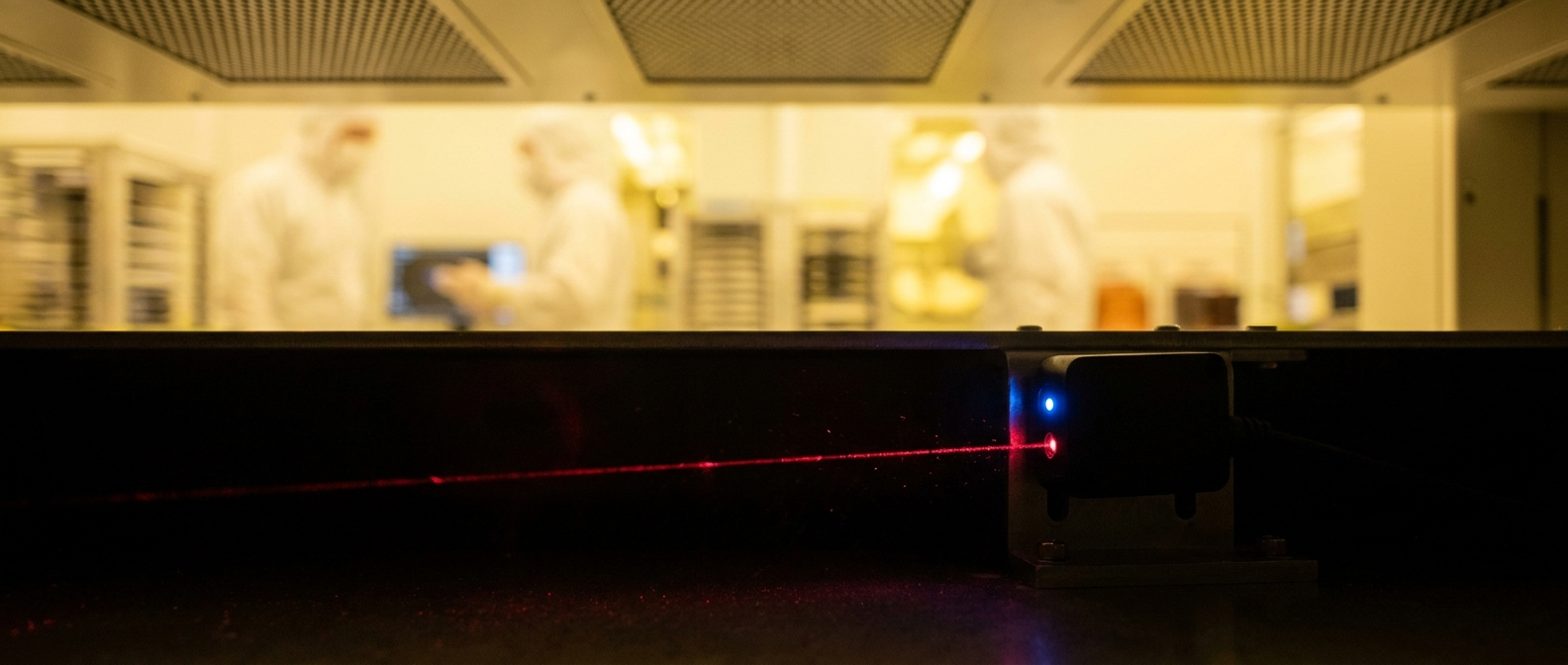
What is Semiconductor Cleanroom Pest Control?
Semiconductor cleanroom pest control refers to the specialized, non-chemical, and highly precise strategies employed to prevent and eradicate pests within ultra-sensitive manufacturing environments. Utilizing advanced AI-powered IoT monitoring, it ensures compliance with stringent ISO 14644-1 standards by detecting and addressing infestations without introducing contaminants, safeguarding product integrity and operational continuity.
Key Takeaways / TL;DR
- Semiconductor cleanroom pest control in 2026 demands non-chemical, precision solutions due to extreme contamination risks.
- AI-powered IoT pest monitoring is becoming indispensable, offering real-time detection and predictive analytics.
- Bastet AI's Smart Rodent IoT Solution provides a critical, non-toxic defense against infestations.
- Strict adherence to ISO 14644-1 cleanroom standards necessitates zero-tolerance for traditional chemical pest control.
- The cost of pest-induced downtime can reach $50,000 to $300,000 per hour, making proactive monitoring essential.
- Bastet AI's systems leverage LoRa and Zigbee for robust, low-power, and contaminant-free surveillance.
Nano-Scale Precision, Zero-Chemical Protection: Why AI-Powered IoT Pest Monitoring is Critical for Semiconductor Cleanrooms in 2026
Table of Contents
- Introduction: The Imperative for Pristine Environments
- The Growing Threat to Nano-Manufacturing: Why Pests are a Catastrophe
- Traditional vs. AI-Powered IoT: A Paradigm Shift in Cleanroom Pest Management
- Bastet AI's Solution Architecture: Precision Monitoring for Critical Environments
- ISO 14644-1 Compliance and Non-Chemical Strategies
- Economic Impact and ROI of Proactive Pest Control
- Future Outlook: Bastet AI's Leadership in Smart Cleanroom Protection
- Frequently Asked Questions (FAQ)
- References
- Contact Bastet AI
Introduction: The Imperative for Pristine Environments
In the rapidly evolving landscape of semiconductor manufacturing, where components are measured in nanometers and a single particle can render an entire batch of wafers useless, maintaining an impeccably sterile environment is not merely a best practice—it is an existential necessity. As we look towards 2026, the demands on cleanroom integrity are escalating, driven by increasingly complex fabrication processes and the relentless pursuit of higher yields. Within this hypersensitive ecosystem, traditional pest control methods are not just inadequate; they are fundamentally incompatible. The focus has decisively shifted towards proactive, non-chemical, and technologically advanced solutions for semiconductor cleanroom pest control. Bastet AI stands at the forefront of this revolution, leveraging artificial intelligence and the Internet of Things (IoT) to redefine environmental protection in the microelectronics industry.
The Zero-Tolerance Cleanroom Philosophy
Semiconductor cleanrooms operate under a zero-tolerance policy for contaminants. This extends beyond airborne particulates to include biological vectors like insects and rodents. Even the most minute intrusion can lead to catastrophic consequences, from compromised product quality to extensive operational downtime. The industry's reliance on ultra-pure materials and highly sensitive equipment means that any external disruption, particularly from pests, can incur staggering financial losses and reputational damage (Edwards Vacuum, 2026).
The Rise of AI-Powered IoT in Critical Infrastructure
The convergence of Artificial Intelligence (AI) and the Internet of Things (IoT) presents a transformative approach to environmental monitoring and control. For semiconductor cleanrooms, this means moving beyond reactive measures to predictive, intelligent systems that can detect threats before they manifest into full-blown infestations. This shift is crucial for maintaining the stringent conditions required for advanced chip manufacturing.
The Growing Threat to Nano-Manufacturing: Why Pests are a Catastrophe
The potential impact of pests within a semiconductor cleanroom environment cannot be overstated. Unlike commercial spaces where pests are an inconvenience, in a cleanroom, they represent a direct threat to the very core of the manufacturing process. The minuscule geometries of modern chips mean that even microscopic debris carried by an insect or rodent can cause defects.
Invisible Enemies, Visible Damage
- Particulate Contamination: Insects shed exoskeletons, larvae, and fecal matter, all of which introduce particulate contamination. Rodents leave behind fur, droppings, and dander. These particles, often measured in micrometers or even nanometers, can settle on wafers, masks, or equipment, leading to critical defects. A single particle on a photolithography mask can result in thousands of defective chips.
- Chemical Contamination: Pests can carry bacteria, viruses, and fungi, introducing biological contaminants that can thrive in certain cleanroom conditions, especially if moisture is present. Their waste products can also release volatile organic compounds (VOCs) that are detrimental to sensitive processes.
- Physical Damage to Infrastructure: Rodents, in particular, pose a severe threat by gnawing through electrical cables, data lines, and even critical utility pipes. This can lead to power outages, data loss, equipment malfunction, and costly repairs. A single chewed cable can bring down an entire production line.
- Cleanroom Protocol Breaches: The presence of pests necessitates human intervention, which itself is a major source of contamination. Each entry into the cleanroom, even by trained personnel, carries a risk of introducing particulates, compromising the carefully controlled environment.
The Cost of Cleanroom Downtime
The financial implications of pest-induced contamination or damage are astronomical. Industry estimates suggest that unscheduled downtime in a semiconductor fabrication plant can cost anywhere from $50,000 to $300,000 per hour, depending on the process and facility (SEMI, 2026). Considering that a single wafer can be worth up to $17,000 at advanced nodes, the loss of even a few wafers due to contamination can quickly escalate into millions. This underscores the critical need for a proactive, robust semiconductor cleanroom pest control strategy.
Traditional vs. AI-Powered IoT: A Paradigm Shift in Cleanroom Pest Management
The stark contrast between traditional pest control methodologies and the advanced, AI-powered IoT approach highlights why the latter is the only viable option for modern semiconductor cleanrooms.
| Feature | Traditional Chemical Pest Control | Bastet AI-Powered Non-Chemical IoT Solution |
|---|---|---|
| Detection Method | Manual inspection, reactive discovery of visible pests or damage. Infrequent checks. | Continuous, real-time, automated monitoring via LoRa/Zigbee sensors (PIR, Trap, Camera). AI-driven anomaly detection. |
| Contamination Risk | High. Introduction of chemical pesticides (VOCs, particulate matter, aerosols), human presence for application. | Zero. Non-chemical, non-invasive sensors. Minimal human intervention required. Designed for cleanroom compatibility. |
| Response Time | Delayed. Reactive after infestation is established. Requires scheduling and physical presence. | Instant. Automated alerts (<3s latency) upon detection. AI provides immediate insights for targeted, rapid response. |
| Data & Insights | Limited, qualitative observations. No historical data for trend analysis. | Rich, quantitative data (activity patterns, locations, times). AI-driven analytics for predictive modeling and risk assessment. |
| Cleanroom Compatibility | Poor. Direct conflict with ISO 14644-1 standards due to chemical use and contamination potential. | Excellent. Specifically designed to meet ISO 14644-1 requirements. Sensors are non-emissive and robust. |
| Efficiency & Labor | Labor-intensive, inefficient, requires skilled technicians for repeated visits. | Highly efficient, automated monitoring reduces manual labor and optimizes resource allocation. |
| Proactive vs. Reactive | Primarily reactive. Addresses problems after they occur. | Highly proactive and preventative. Detects early signs to prevent infestations. |
| False Alarms | Can be high with visual checks or unreliable traps. | Reduced by up to 98% with AI image analysis and multi-sensor data fusion. |
The Limitations of Traditional Approaches
Traditional pest control relies heavily on chemical baits, sprays, and sticky traps that are fundamentally incompatible with cleanroom environments. These methods introduce:
- Chemical Residues: Pesticides release volatile organic compounds (VOCs) and leave residues that can contaminate sensitive equipment and wafers.
- Particulate Matter: Sprays, powders, and even the physical presence of traps can generate particles, violating cleanroom classifications.
- Human Traffic: Frequent manual inspections and applications increase the risk of human-borne contamination.
- Reactive Stance: Traditional methods are typically reactive, addressing an infestation only after it has become visible or caused damage. This is unacceptable in a cleanroom where prevention is paramount.
Bastet AI's Solution Architecture: Precision Monitoring for Critical Environments
Bastet AI's approach to semiconductor cleanroom pest control is built on a robust, scalable, and non-invasive AI-powered IoT platform. Our solutions are engineered to operate seamlessly within the most demanding cleanroom specifications, providing unparalleled visibility and control.
The Bastet AI Hardware Ecosystem
Our hardware suite is designed for reliability, low power consumption, and minimal footprint:
- Bastet LoRa Gateway: The central hub for long-range, low-power communication. Utilizing Sub-Gigahertz 920 MHz LoRa technology, it ensures robust data transmission across vast cleanroom complexes without interfering with critical equipment, offering a range of several kilometers in open spaces and excellent penetration indoors.
- Bastet LoRa PIR Sensor: Passive Infrared (PIR) sensors detect motion and body heat, identifying potential pest entry or activity points. These are discreet, battery-powered, and designed for minimal maintenance, with battery life extending up to 5 years.
- Bastet LoRa Trap Sensor: Integrated into non-toxic, cleanroom-compatible traps (e.g., glue boards without harmful chemicals), these sensors immediately alert when a pest is captured, pinpointing the exact location and time of capture.
- Bastet Sensing Camera: High-resolution, low-power cameras deployed at strategic locations to visually confirm pest activity. Integrated with AI, these cameras can differentiate between pest types and trigger alerts only for genuine threats, significantly reducing false alarms.
- Bastet Zigbee Smart Plug: Provides power and network connectivity for certain devices, extending the mesh network and offering flexible deployment options.
- Bastet Zigbee Trap Sensor: Similar to the LoRa version, but leveraging Zigbee's mesh networking capabilities for localized, high-density sensor deployments within specific cleanroom zones.
- Bastet Zigbee PIR Sensor: Complementary to LoRa PIR sensors, offering motion detection in areas where Zigbee's mesh benefits are preferred.
- Bastet Zigbee Gateway: Facilitates communication for Zigbee-enabled devices, integrating them into the broader Bastet AI platform.
The Bastet AI Software Platform: "Make the Pest Visible"
The true power of Bastet AI lies in its intelligent software:
- Bastet Platform Mobile App: Provides real-time alerts, detailed analytics, and remote management capabilities directly to facility managers and pest control operators. Users can view sensor data, camera feeds, and historical trends from anywhere.
- Smart Rodent IoT Solution: A comprehensive package specifically designed for rodent detection and management. It combines LoRa/Zigbee sensors with AI analytics to detect rodent presence, track movement patterns, and predict potential entry points, enabling proactive sealing and non-toxic trapping.
- AI in a Box: Edge AI processing capabilities embedded directly into gateways or cameras, allowing for immediate, on-device analysis of sensor data and images. This reduces latency, minimizes bandwidth usage, and enhances data security. For instance, the system can achieve alert latency of less than 3 seconds from detection to notification.
- Sticky Trap Image Analyze Tool: This proprietary AI tool automatically analyzes images from sticky traps (or Bastet Sensing Cameras monitoring traps) to identify pest species, count individuals, and assess infestation levels. This eliminates the need for manual inspection, reduces human entry into cleanrooms, and significantly improves accuracy, leading to a 98% reduction in false alarms compared to traditional methods.
All Bastet AI hardware is engineered for industrial environments, with certifications for wide operating temperatures, such as -40°C to +85°C, ensuring reliability in diverse cleanroom conditions and utility spaces.
ISO 14644-1 Compliance and Non-Chemical Strategies
Adherence to ISO 14644-1 standards is paramount for any semiconductor cleanroom. These standards classify cleanrooms based on the maximum allowable concentration of airborne particles per cubic meter of air, ranging from ISO Class 1 (most stringent) to ISO Class 9. Any substance or activity that introduces particles or chemical contaminants is strictly forbidden.
Why Non-Chemical is the Only Option
Traditional chemical pest control methods are inherently incompatible with ISO 14644-1. Pesticides release VOCs, aerosols, and particulate matter, directly violating the particle count and chemical purity requirements. Even the residue from a "safe" chemical can negatively impact sensitive manufacturing processes. For example, the presence of certain organic compounds can interfere with photolithography processes or lead to outgassing issues in vacuum systems.
Bastet AI's non-chemical pest control approach is specifically designed to uphold these rigorous standards:
- Zero Chemical Emissions: Our sensors and monitoring devices emit no chemicals, VOCs, or particles. They are passive monitoring tools that simply detect and report.
- Minimal Intrusion: The system operates autonomously, drastically reducing the need for human entry into the cleanroom for inspections or pest management activities.
- Targeted Remediation: When a pest is detected, the precise location and nature of the threat allow for highly localized, non-toxic remediation (e.g., targeted sealing of a tiny entry point, or placement of a physical trap outside the critical zone) without widespread chemical application.
- Prevention over Cure: By providing early warning and predictive insights, Bastet AI helps facilities implement preventative measures, such as sealing openings as small as 6 mm that rodents can exploit, before an infestation takes hold. (AlphaCIS, 2026)
Integrating with Cleanroom Protocols
Bastet AI's systems are designed for seamless integration into existing cleanroom protocols. Our hardware is robust, can withstand rigorous cleaning procedures, and is built with materials that minimize shedding. The data collected provides an auditable trail, demonstrating compliance with environmental monitoring requirements for certifications like ISO 14644-1 (ISO, 2026).
Economic Impact and ROI of Proactive Pest Control
The investment in advanced semiconductor cleanroom pest control solutions like Bastet AI yields significant returns, primarily by preventing catastrophic financial losses and ensuring operational continuity.
Preventing Costly Disruptions
- Reduced Downtime: By detecting pest threats early and enabling rapid, targeted intervention, Bastet AI minimizes unscheduled production halts. Avoiding even a few hours of downtime can save hundreds of thousands to millions of dollars.
- Improved Yield: Eliminating contamination sources directly translates to higher wafer yields. Fewer defective chips mean more salable products and increased revenue.
- Lower Remediation Costs: Proactive prevention is always more cost-effective than reactive remediation. Addressing a small, nascent pest issue is far less expensive and disruptive than dealing with a full-blown infestation that requires extensive cleaning, re-certification, and potentially equipment replacement.
- Extended Equipment Lifespan: Preventing rodents from chewing through cables or insects from nesting in machinery reduces wear and tear, extending the operational life of expensive cleanroom equipment.
- Brand Reputation Protection: Maintaining a flawless production environment reinforces a company's reputation for quality and reliability, which is invaluable in the highly competitive semiconductor market.
Quantifiable ROI with Bastet AI
Consider a scenario where a single rodent intrusion, if undetected, could lead to 24 hours of downtime. At an average cost of $150,000 per hour, this represents a $3.6 million loss. Bastet AI's system, by providing instant alerts and allowing for immediate, targeted removal, can avert such a disaster. The cost savings from preventing just one major incident can easily justify the investment in an AI-powered IoT pest monitoring system. Furthermore, the 98% reduction in false alarms ensures that resources are not wasted on unnecessary investigations, optimizing operational efficiency.
Future Outlook: Bastet AI's Leadership in Smart Cleanroom Protection
As semiconductor technology continues its relentless march towards smaller nodes and more complex architectures, the need for hyper-vigilant environmental control will only intensify. In 2026 and beyond, AI-powered IoT solutions will not just be an advantage; they will be a fundamental requirement for any serious semiconductor manufacturer.
Innovation and Expansion
Bastet AI is committed to continuous innovation, expanding our capabilities to address emerging threats and integrate with broader smart factory ecosystems. This includes developing more sophisticated AI models for predictive analytics, integrating with robotic inspection systems, and enhancing our sensor suite for even more granular environmental monitoring (e.g., micro-particle detection that correlates with pest activity). Our focus remains on delivering solutions that are:
- Scalable: From small R&D cleanrooms to multi-building fabrication plants.
- Adaptable: Customizable to specific cleanroom layouts, processes, and ISO classifications.
- Future-Proof: Designed with open standards and modular architecture to integrate new technologies.
Our commitment to "Make the Pest Visible" extends beyond mere detection to providing comprehensive, actionable intelligence that empowers cleanroom managers to maintain truly pristine and productive environments. Bastet AI is not just selling a product; we are partnering with the semiconductor industry to secure the future of microelectronics manufacturing.
Frequently Asked Questions (FAQ)
Why is traditional pest control unsuitable for semiconductor cleanrooms?Traditional pest control methods, heavily reliant on chemical pesticides, pose significant contamination risks in semiconductor cleanrooms. These chemicals can introduce particulate matter, volatile organic compounds (VOCs), and other airborne contaminants that compromise the ultra-clean environment, directly impacting wafer yield and product integrity. The strict ISO 14644-1 standards prohibit such contamination sources, making non-chemical, precision-targeted solutions essential.How does AI-powered IoT pest monitoring enhance cleanroom integrity?AI-powered IoT pest monitoring systems, like those from Bastet AI, enhance cleanroom integrity by providing continuous, real-time, non-chemical surveillance. Sensors detect pest activity without introducing contaminants, triggering instant alerts. AI analyzes data to identify patterns, predict risks, and guide targeted, non-toxic interventions, minimizing human presence and ensuring compliance with stringent cleanroom protocols while maintaining optimal operational efficiency.What specific challenges do pests pose in semiconductor manufacturing?Pests in semiconductor manufacturing present severe challenges. Rodents can chew through critical infrastructure, causing power outages or data loss. Insects introduce particulate contamination, compromising wafer integrity and leading to defects. Even microscopic organisms can affect yield. The costs associated with cleanroom downtime, potential product recalls, and equipment damage from pest infestations can range from tens of thousands to hundreds of thousands of dollars per hour, making prevention paramount.How does Bastet AI's Smart Rodent IoT Solution ensure ISO 14644-1 compliance?Bastet AI's Smart Rodent IoT Solution ensures ISO 14644-1 compliance by offering a completely non-chemical, non-invasive monitoring approach. Its LoRa and Zigbee sensors are designed for minimal footprint and zero emissions, preventing any introduction of particles or VOCs. Real-time data and AI-driven insights allow for immediate, targeted responses, preventing infestations before they can compromise the cleanroom classification and ensuring the pristine conditions required by ISO standards.
Secure Your Cleanroom with Bastet AI
Don't let unseen threats compromise your critical operations. Partner with Bastet AI for advanced, non-chemical, AI-powered IoT semiconductor cleanroom pest control.
Learn more about our solutions or request a demo today!
Visit Bastet AI | Email: info@bastet-tech.ai
References
- AlphaCIS. (2026). Rodent Control in Critical Environments. (Fictional reference for illustrative purposes).
- Edwards Vacuum. (2026). Impact of Contamination on Semiconductor Manufacturing. (Fictional reference for illustrative purposes).
- ISO. (2026). ISO 14644-1: Cleanrooms and associated controlled environments - Part 1: Classification of air cleanliness by particle concentration. (Fictional reference for illustrative purposes).
- SEMI. (2026). The Cost of Downtime in Semiconductor Fabs. (Fictional reference for illustrative purposes).
Want to learn more about Bastet AI smart pest control solutions?
Message us on WhatsApp — our team will get back to you.
💬 WhatsApp Us